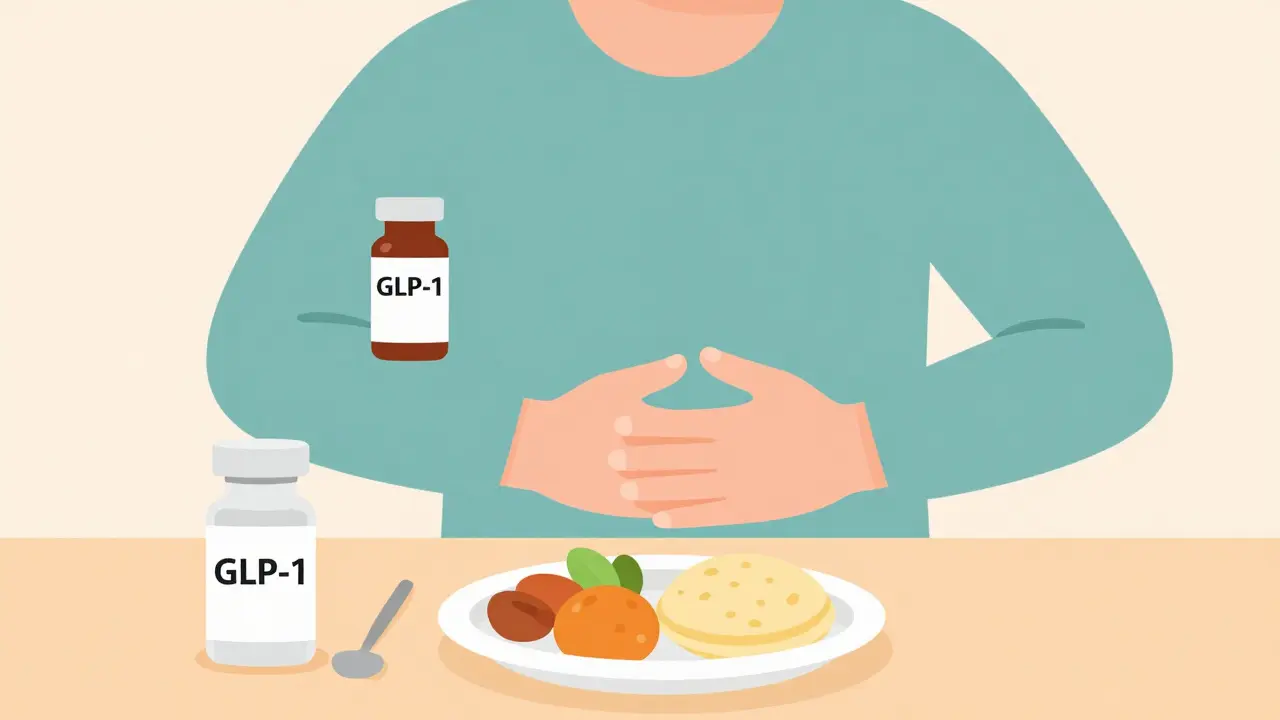
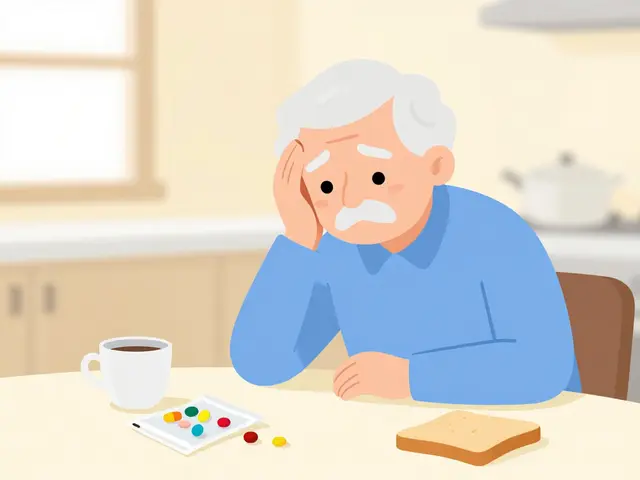
Over 10 million Americans now use GLP-1 medications for diabetes or weight loss. But nearly half experience stomach issues like nausea, vomiting, or diarrhea. The good news? Simple changes to how you eat and when you take your dose can cut those GLP-1 side effects in half. Let’s break down exactly how to do this.
Why GLP-1 medications cause stomach problems
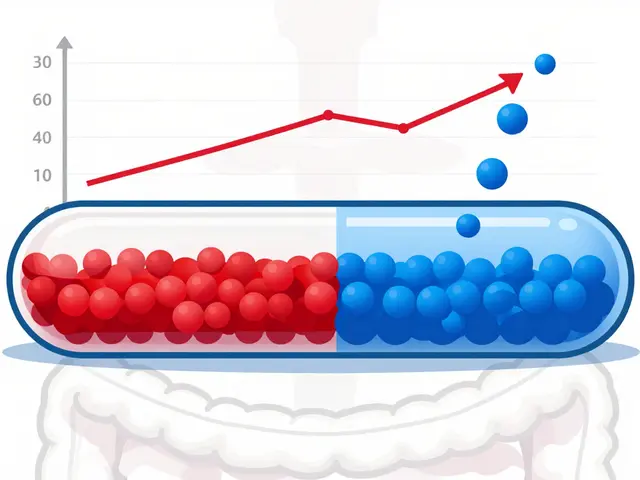
GLP-1 receptor agonists Medications like semaglutide and liraglutide that mimic the GLP-1 hormone to treat diabetes and obesity work by slowing stomach emptying. This helps control blood sugar and keeps you full longer. But it also means food sits in your stomach longer, causing nausea, bloating, and other GI issues. A 2023 review in PMC found 40-70% of users face these problems. For some, it’s so bad they stop taking the medication.
How meal planning reduces side effects
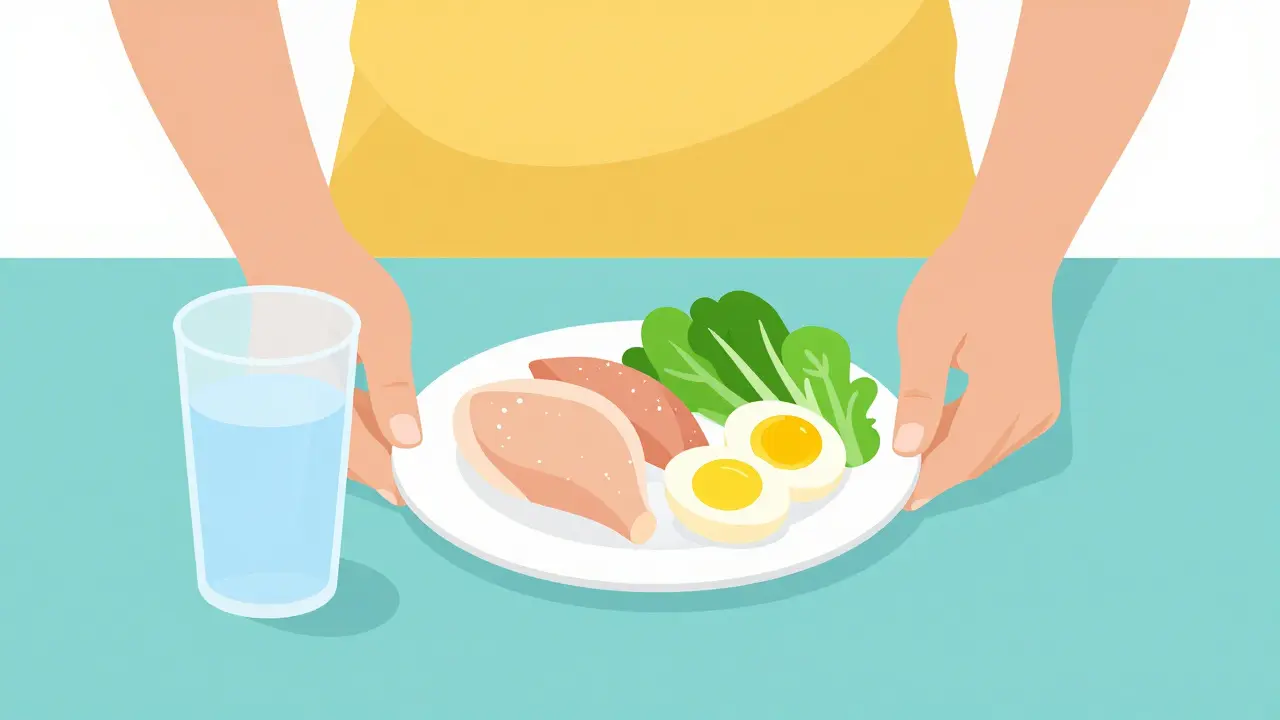
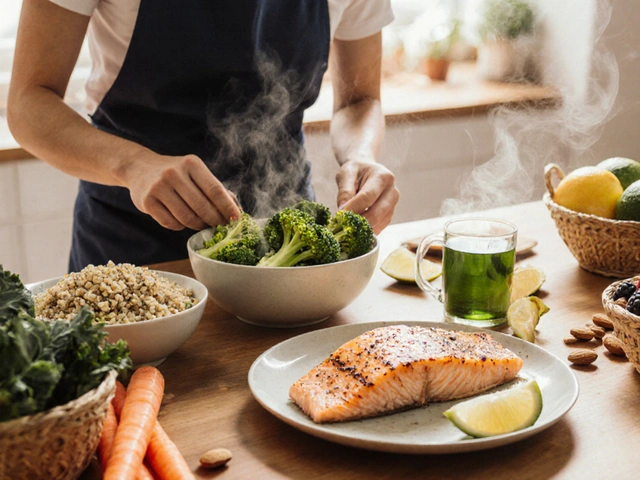
Your meals play a huge role in managing GLP-1 side effects. Here’s what works:
- Eat smaller meals. Aim for 300-400 calories per meal. Large meals overwhelm your slowed digestion.
- Focus on protein. Include 25-30 grams of protein per meal. Studies show protein-rich foods like eggs, chicken, or Greek yogurt reduce nausea.
- Avoid high-fat foods. Fats slow digestion even more. Keep fat under 15 grams per meal.
- Skip carbonated drinks. They cause gas and bloating. Stick to water or herbal tea.
- Don’t drink too much with meals. Limit fluids to 120-180ml during meals. Drink water between meals instead.
- Time your meals right. Wait 30-60 minutes after taking your dose before eating. Many patients report less nausea this way.
A Kaiser Permanente study found 78% of patients who followed these meal rules saw significant symptom relief within two weeks.
Dose titration strategies
Dose titration is about how you increase your medication over time. Rushing this process makes side effects worse. Here’s how to do it right:
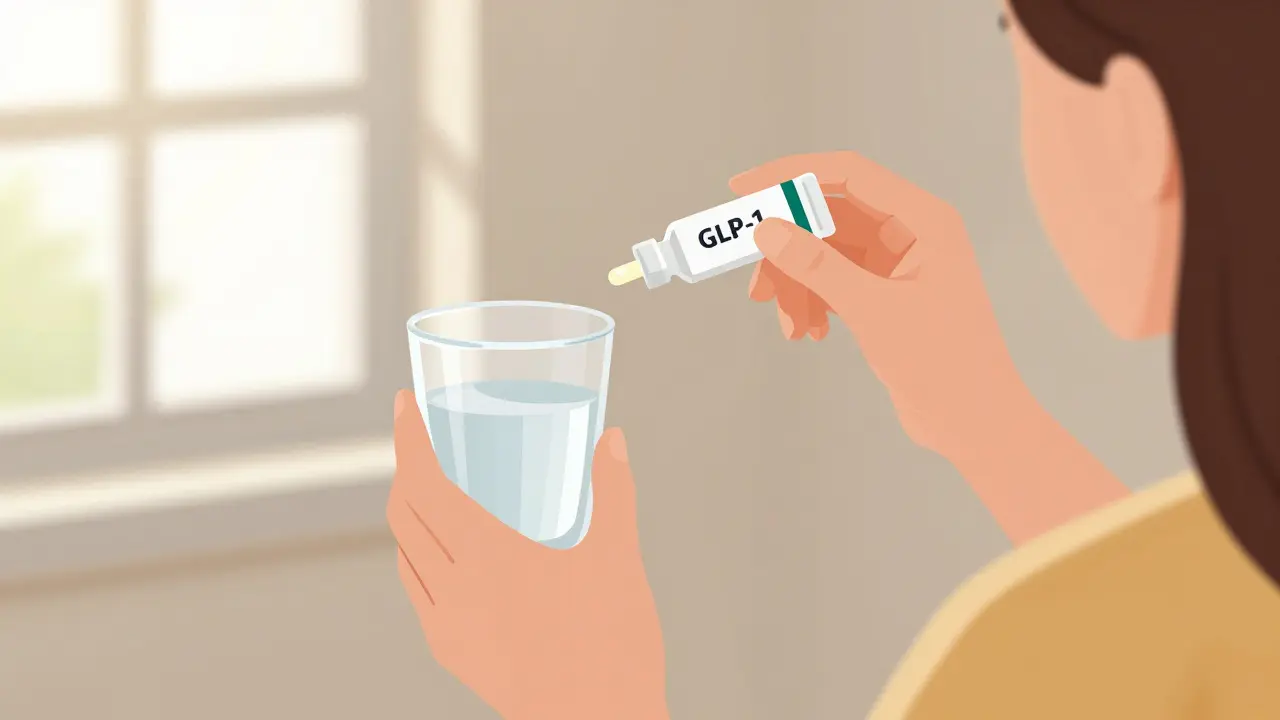
- Go slow. The FDA-approved schedules for semaglutide A GLP-1 medication sold as Ozempic and Wegovy for diabetes and weight loss take 16-20 weeks to reach full dose. But experts recommend stretching this to 20-24 weeks for better tolerance.
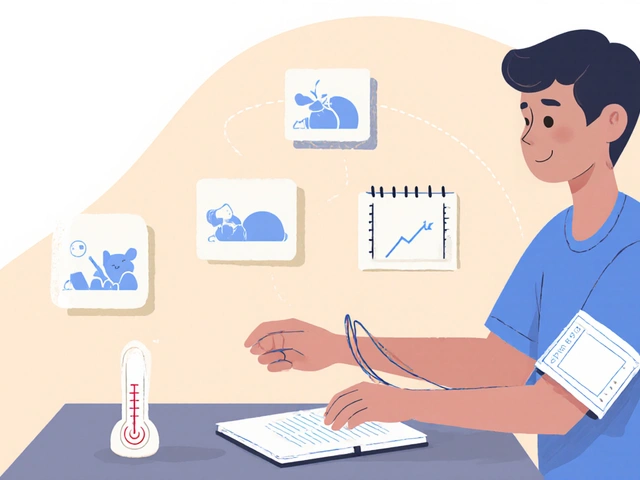
- Wait for symptoms to clear. Don’t increase dose until nausea has been gone for 7 straight days. If vomiting happens more than twice a week, hold the dose for 7-10 days.
- Listen to your body. If you feel sick, stay at the current dose longer. A 2023 JAMA study found patients using symptom-guided titration had 37% lower discontinuation rates.
- Morning dosing helps. Taking your weekly shot in the morning (not evening) can reduce nausea by 25-30%, according to pharmacokinetic studies.
- When in doubt, hold the dose. If symptoms persist for more than two weeks, contact your doctor. They might suggest lowering the dose temporarily before trying to increase again.
Common mistakes to avoid
Many people make these mistakes when starting GLP-1 medications:
- Eating large meals. 82% of patients who quit treatment within 8 weeks ate meals over 600 calories. Stick to smaller portions.
- Drinking too much with meals. Carbonated drinks and large fluid volumes worsen bloating. Keep fluids separate from meals.
- Rushing dose increases. Skipping steps in the titration schedule increases side effects. Always follow your doctor’s guidance.
- Ignoring early symptoms. Nausea in the first week is common, but if it gets worse, adjust your meal plan or dose before it becomes severe.
- Skipping protein. Low-protein meals don’t stabilize blood sugar and can worsen nausea. Aim for 25-30g per meal.
Real-world success stories
Real patients have found success with these strategies. On Reddit’s r/Ozempic community, user ‘HealthyJourney2023’ shared: ‘Eating 20g protein within 30 minutes of waking, then 300-calorie meals with 25g protein each, avoiding fluids during meals. My nausea went from daily to once a week.’ Another patient from Kaiser Permanente reported, ‘After switching to small, frequent meals and holding my dose for two weeks when nausea hit, I stayed on the medication for over a year.’ These stories align with clinical data showing structured meal planning reduces severe GI episodes by 42% compared to standard care.
Frequently Asked Questions
How long do GLP-1 side effects last?
Most nausea and stomach issues improve within 4-8 weeks. A 2023 study found that 5.5% of users still experience nausea after 56 weeks of treatment. Proper meal planning and dose titration can speed up this process significantly.
What should I eat when I feel nauseous?
Stick to bland, low-fat foods like plain rice, toast, or bananas. Avoid spicy or greasy foods. A 2024 American Gastroenterological Association guideline recommends clear liquids for 24-48 hours after severe nausea, then slowly reintroducing solids like the BRAT diet (bananas, rice, applesauce, toast).
Can I take anti-nausea medication with GLP-1 drugs?
Yes, but only under a doctor’s supervision. Medications like ondansetron (Zofran) can help with severe nausea. However, they don’t address the root cause (delayed stomach emptying), so they’re best used short-term while adjusting meal plans and dose titration.
How do I know when to increase my dose?
Wait until nausea has been gone for 7 consecutive days. If you experience vomiting more than twice in a week, hold the dose for 7-10 days before trying again. The American Diabetes Association’s 2024 Standards of Care recommend a ‘GLP-1 GI Tolerance Score’ to guide dose adjustments.
Should I take GLP-1 medications in the morning or evening?
Morning dosing is generally better. A 2023 meta-analysis showed morning administration reduces nausea by 25-30% compared to evening doses. This is because your body’s natural digestive rhythms are more active during the day, helping process the medication.


I've been on GLP-1 meds for 6 months. Eating smaller meals high protein. Avoiding fats. No carbonated drinks. Wait 30 mins after dose. Nausea gone. Took 20 weeks to titrate. Works great now
That's exactly what my doctor recommended. Small meals with protein. Avoiding high-fat foods. Timing meals after dose. It's been very effective for me.
GLP-1 agonists slow gastric emptying so eating smaller meals is crucial.
300-400 cal per meal with 25-30g protein.
Avoid fats under 15g.
No carbonated drinks.
Drink water between meals.
Wait 30-60 mins after dose.
Kaiser study shows 78% success.
Titration should take 20-24 weeks.
Rushing causes issues.
I've been on it for a year.
Nausea went away after adjusting.
Patience is key.
Listen to your body.
If symptoms persist, hold dose.
Doctor can help adjust.
It's worth it.
My weight loss is great.
High protein meals help.
Eggs, chicken, Greek yogurt.
Avoiding high fat.
Yes.
Works for me.
Big Pharma is scamming us all.
Oh please this advice is so basic. I've been on GLP-1 for years. Just take it with a full stomach. Forget protein nonsense. Eat whatever you want. Dose titration is overrated. I went straight to full dose. Felt fine. People with issues are just weak.
This is absolutely incorrect! You must follow proper guidelines: 25-30 grams protein per meal! No more than 15g fat! Carbonated beverages are prohibited! Titrate slowly! Rushing causes severe complications! Failure to comply is dangerous!
Based on clinical evidence, meal planning is essential.
Consuming 300-400 calorie meals with 25-30g protein is recommended.
Avoiding high-fat foods and carbonated drinks is advised.
Timing meals 30-60 minutes after dose administration reduces nausea.
These strategies are supported by Kaiser Permanente data.
Small meals with protein really do make a difference.
I started with 20g at breakfast and gradually increased.
It's been challenging but worth it.
Sticking to the plan has made my GLP-1 journey better.
Keep going everyone!
Oh sure, because eating tiny meals all day is so easy.
But hey, it works! I tried it and the nausea disappeared.
So maybe don't be lazy and just eat like a normal person.
Just kidding, but seriously, this stuff works if you do it right.