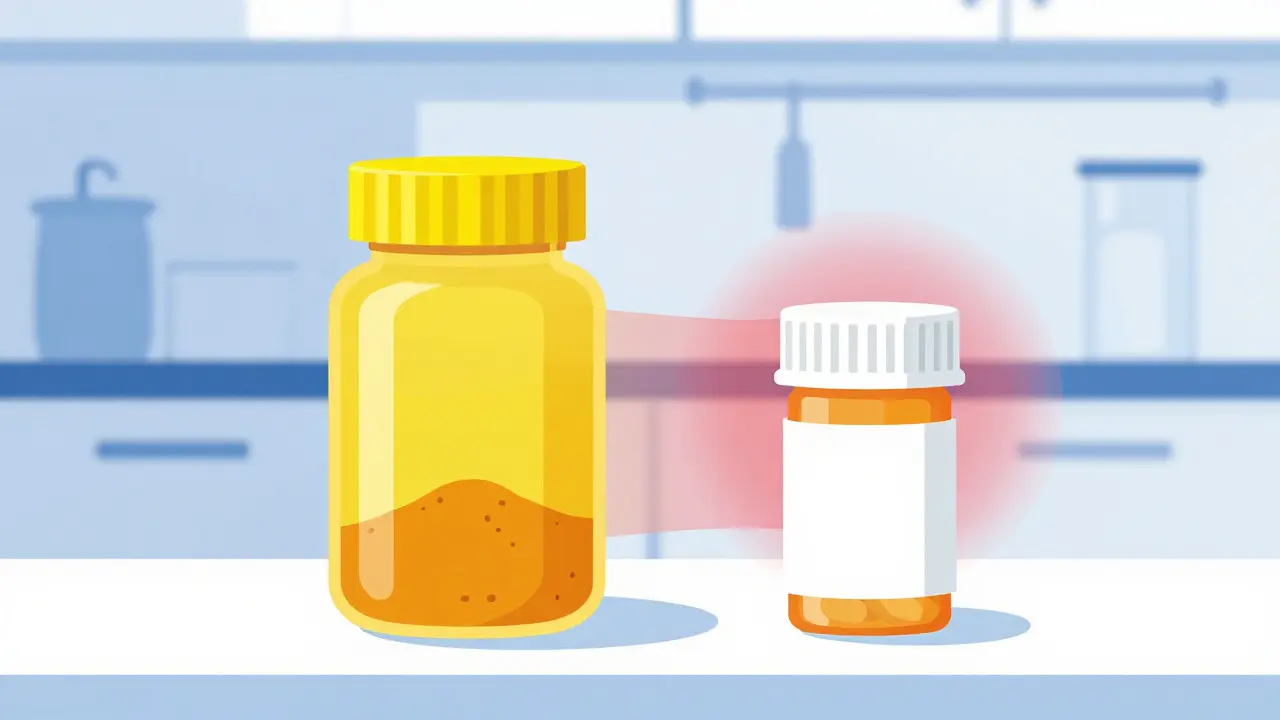
You probably keep a jar of turmeric is a vibrant yellow spice commonly used in cooking and traditional medicine in your pantry. It’s in your curry, your golden milk latte, and maybe even that supplement bottle on your counter. For most people, it’s harmless. But if you take prescription blood thinners like warfarin is an oral anticoagulant medication used to prevent blood clots, that jar might be sitting next to a ticking time bomb.
We often hear that "natural" means "safe." That logic fails hard when natural compounds collide with potent pharmaceuticals. The evidence regarding turmeric and blood thinners is no longer just theoretical; it’s documented in hospital records and regulatory warnings. This isn’t about giving up your spices forever. It’s about understanding the specific mechanisms that turn a healthy habit into a medical emergency.
The Science Behind the Bleeding Risk
To understand why this interaction happens, we have to look at what curcumin is the primary active compound in turmeric responsible for its color and biological effects actually does inside your body. Curcumin makes up only about 2% to 8% of raw turmeric root, but in concentrated supplements, that number can jump to 95%. This concentration matters immensely.
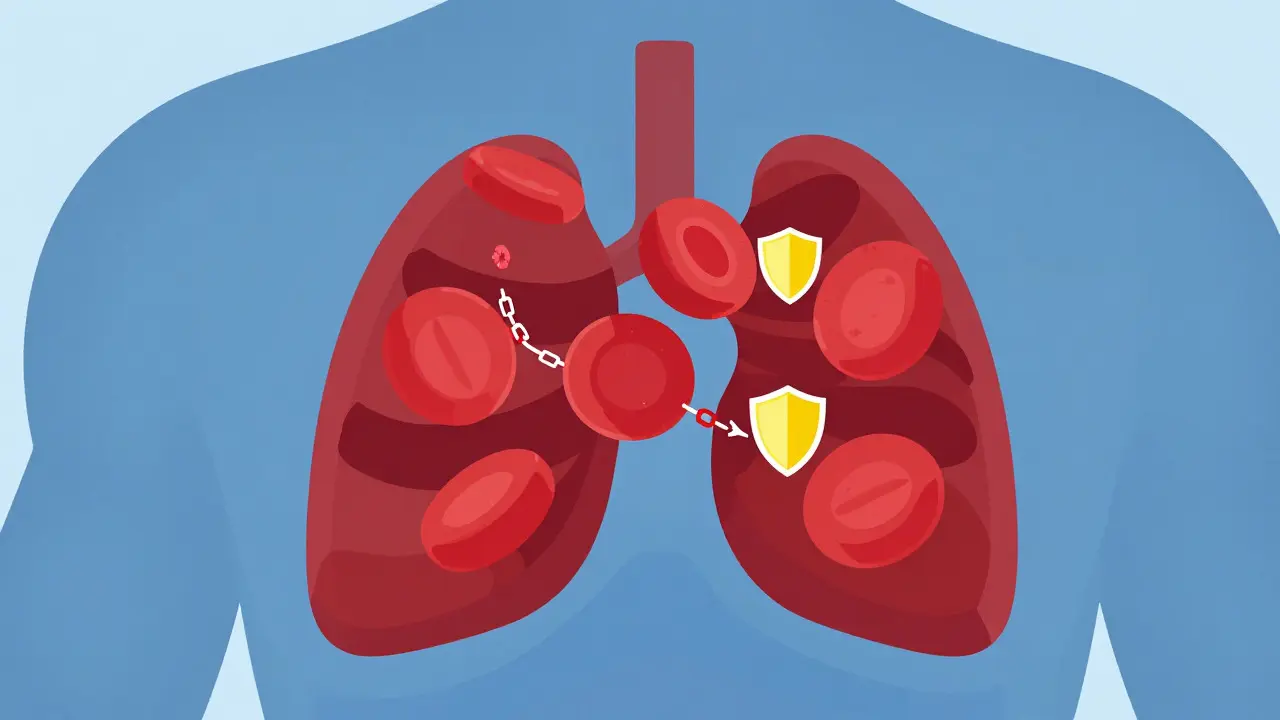
Curcumin doesn’t just sit there. It actively interferes with how your blood clots. A pivotal study published in PubMed (PMID: 22531131) showed that curcumin prolongs two critical clotting times: activated partial thromboplastin time (aPTT) and prothrombin time (PT). In simpler terms, it makes your blood take longer to clot. It does this by inhibiting thrombin and factor Xa, which are essential enzymes in the clotting cascade.
Here is where it gets tricky for patients on medication. If you are taking a direct oral anticoagulant (DOAC) like rivaroxaban, which specifically targets factor Xa, adding curcumin is like pressing the brake pedal while someone else is already holding it down. You get double the effect, and potentially too much of it. Furthermore, research indicates that curcumin reduces platelet aggregation-the process where blood cells stick together to form a plug. This creates a dual threat: it slows down the chemical clotting process AND stops the physical cell-plugging mechanism.
Warfarin and the Narrow Therapeutic Index
The danger is most acute for patients taking warfarin. Warfarin has what doctors call a "narrow therapeutic index." This means the difference between a dose that prevents clots and a dose that causes dangerous bleeding is very small. Your doctor monitors this using a test called the International Normalized Ratio (INR). For most people on warfarin, the target INR is between 2.0 and 3.5.
If your INR goes too high, your blood is too thin. If it goes too low, you’re at risk of clots. Turmeric disrupts this delicate balance. Medsafe New Zealand issued a stark warning in April 2018 after documenting a specific case. A patient who had stable INR levels started taking a turmeric-containing product. Within weeks, their INR skyrocketed to over 10. An INR of 10 is not just "high"; it is a critical emergency level associated with severe spontaneous bleeding risks, including intracranial hemorrhage.
Why did this happen? The Welsh Medicines Information Centre (WMIC) updated their guidance in October 2024, noting that curcumin may decrease the clearance of warfarin from the body. When your liver struggles to break down the drug as fast as usual, warfarin builds up in your system. The result is an exaggerated anticoagulant effect that no amount of careful dosing can predict without frequent monitoring.
| Agent | Primary Mechanism | Monitoring Required | Potency Variability |
|---|---|---|---|
| Warfarin | Inhibits Vitamin K recycling | Regular INR tests | Low (standardized pills) |
| Rivaroxaban (DOAC) | Direct Factor Xa inhibition | Minimal routine testing | Low (standardized pills) |
| Turmeric/Curcumin | Inhibits Thrombin, Factor Xa, Platelets | None (unregulated) | High (varies by brand/dose) |
Beyond Warfarin: Other Blood Thinners at Risk
It’s not just warfarin users who need to worry. The anticoagulant properties of curcumin create significant risks with other common medications. MedicineNet lists several interacting drugs, including heparin, clopidogrel (Plavix), aspirin, and non-steroidal anti-inflammatory drugs (NSAIDs) like ibuprofen and naproxen.
Consider aspirin. Many people take low-dose aspirin daily for heart protection. Aspirin works by irreversibly inhibiting platelet function. Since curcumin also decreases platelet aggregation, combining them amplifies the antiplatelet effect. You aren’t just adding one plus one; you are creating a synergistic effect where the combined impact is greater than the sum of its parts. This increases the risk of bruising, nosebleeds, and gastrointestinal bleeding.
For those on DOACs like apixaban or dabigatran, the concern is slightly different but equally serious. While these drugs don’t require INR monitoring, they still carry a bleeding risk. The British Heart Foundation notes that high doses of turmeric supplements could interact with DOACs. Because DOACs directly inhibit clotting factors, adding another inhibitor like curcumin pushes the system toward excessive thinning, even if standard blood tests don’t immediately flag it.
The Supplement Trap: Dosage and Purity Issues
The biggest problem with turmeric isn’t just the chemistry; it’s the lack of regulation. Unlike prescription drugs, supplements are not required to undergo rigorous clinical trials for safety or efficacy before hitting the shelves. This leads to massive variability in potency.
A capsule labeled "500mg Turmeric" might contain 500mg of raw root powder, which has very little curcumin. Another might contain a highly concentrated extract with 95% curcuminoids. Without clear labeling of curcumin content, you have no idea how much anticoagulant power you are ingesting. This unpredictability makes it nearly impossible for doctors to adjust your medication dosage accurately.
Furthermore, some turmeric products include black pepper extract (piperine) to enhance absorption. Piperine inhibits certain liver enzymes, including CYP3A4. This enzyme is responsible for metabolizing many drugs, including tacrolimus and some statins. A case report cited by WMIC described a transplant patient who developed acute kidney injury and dangerously high tacrolimus levels after consuming large amounts of turmeric powder. The metabolic interference went beyond simple blood thinning, affecting how the body processed entirely different classes of life-saving drugs.
Real-World Consequences: Case Studies
Data points tell a story, but patient cases make it real. Beyond the Medsafe report of the INR spiking to 10, there are numerous anecdotal reports in clinical forums of patients experiencing unexplained bruising or prolonged bleeding from minor cuts after starting turmeric supplements.
One documented scenario involved a patient on stable anticoagulation therapy who began taking a popular "joint health" supplement containing high-dose curcumin. Within three weeks, they presented to the emergency room with hematuria (blood in urine) and a significantly elevated INR. The culprit wasn’t a new disease or a medication error by the doctor; it was the supplement introduced without medical consultation.
These cases highlight a critical gap in public perception. Many patients view supplements as "vitamins"-harmless additions to their diet. They fail to recognize that bioactive compounds like curcumin are pharmacologically active substances with measurable effects on physiology. When combined with prescription anticoagulants, they cease to be dietary choices and become drug-drug interactions.
Practical Guidelines for Safe Management
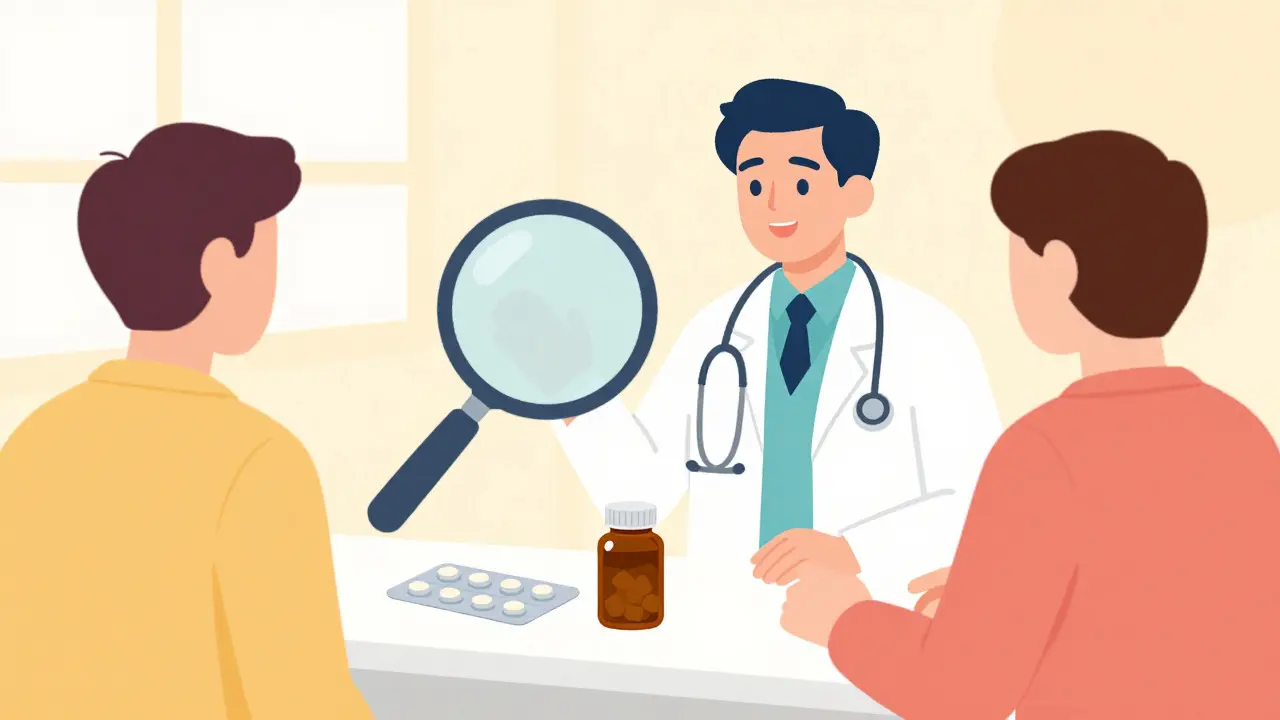
So, do you have to give up turmeric completely? Not necessarily, but you need to manage it with extreme caution. Here is how to navigate this safely:
- Distinguish Between Food and Supplements: Using turmeric as a spice in cooking involves relatively low doses of curcumin. The WMIC notes that turmeric poses unlikely risks when used in small quantities as a spice. The danger lies primarily in concentrated extracts and high-dose capsules.
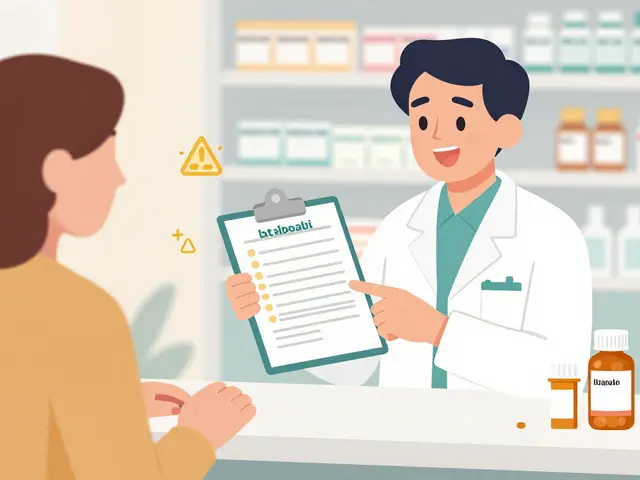
- Consult Before Combining: Never start a new supplement regimen without telling your prescribing physician. Ask specifically: "Will this affect my INR or increase my bleeding risk?"
- Monitor More Frequently: If your doctor approves limited use, expect to have your INR checked more often. Look for signs of increased bleeding, such as gum bleeding, easy bruising, or dark stools.
- Surgical Precautions: The Mayo Clinic advises stopping turmeric supplements at least two weeks before any scheduled surgery. This allows the compound to clear your system and reduces the risk of excessive surgical bleeding.
- Check Labels Carefully: If you must use a product, look for standardized curcumin content. Avoid products with piperine (black pepper extract) if you are on multiple medications, as this increases the risk of broader metabolic interactions.
Conclusion: Respect the Interaction
The evidence is clear: turmeric and curcumin possess genuine anticoagulant properties. They are not inert spices when isolated and concentrated. For the millions of people relying on blood thinners to survive strokes and heart attacks, ignoring this interaction is a gamble with serious stakes.
Medical authorities like Medsafe and the WMIC have moved from cautious observation to explicit warnings. The consensus is shifting toward avoidance of concurrent use, especially for warfarin patients. Until large-scale randomized controlled trials establish safe dosage thresholds, the safest approach is conservative. Treat your supplements with the same respect you treat your prescriptions. Your blood counts on it.
Can I eat turmeric in food if I take warfarin?
Generally, yes. Using turmeric as a culinary spice in normal cooking amounts is considered low-risk by most health authorities. The danger arises primarily from high-dose supplements or extracts. However, consistency is key; drastically increasing your dietary intake of turmeric-rich foods could still theoretically impact your INR, so maintain a consistent diet and monitor your levels.
Does turmeric interact with Eliquis (apixaban)?
Yes, it can. While apixaban is a DOAC and doesn't require INR monitoring, turmeric's antiplatelet effects and inhibition of clotting factors can add to the blood-thinning effect of the drug. This increases the overall risk of bleeding complications. Consult your doctor before combining them.
How long does it take for turmeric to leave your system?
Curcumin has a short half-life, but its effects on clotting can persist. Most guidelines suggest stopping supplements at least two weeks before surgery to ensure full clearance and normalization of clotting parameters. For daily management, effects may subside within days of cessation, but individual metabolism varies.
What are the signs of excessive bleeding from this interaction?
Watch for unusual bruising, bleeding gums when brushing teeth, nosebleeds that are hard to stop, red or brown urine, black or tarry stools, and prolonged bleeding from minor cuts. If you experience these symptoms, seek medical attention immediately.
Is black seed oil safe with blood thinners?
Black seed oil (Nigella sativa) also has mild anticoagulant properties and may interact with blood thinners similarly to turmeric. It can lower blood pressure and affect blood sugar, adding complexity to your medication regimen. Always consult your healthcare provider before adding any new herbal supplement.




You people really need to read the study linked in the post. PMID: 22531131 is not a suggestion, it is a fact. Curcumin inhibits thrombin and factor Xa. If you are on warfarin and eating curry powder like it is candy, you are playing Russian roulette with your own liver. The INR spike to 10 isn't an anomaly, it's the expected outcome of unregulated bioavailability colliding with a narrow therapeutic index drug. Stop treating supplements like vitamins.
Big Pharma wants you scared so you keep buying their pills instead of using real food. They hate turmeric because it works too well for inflammation and they can't patent a root from India. My neighbor took nothing but golden milk and stopped his blood thinner and he is fine. It is all about the corporate greed pushing these warnings.
Your neighbor probably has a genetic mutation that makes him resistant to bleeding or he just got lucky until he didn't. You are ignoring the pharmacokinetics entirely. Piperine in black pepper extract blocks CYP3A4 enzymes. That means drugs stay in your system longer. It is basic biology. You don't get to ignore enzyme inhibition because you have a conspiracy theory. Your anecdote is statistically irrelevant against clinical data showing hematuria and intracranial hemorrhage risks.
i mean look at the table in the article. warfarin is so rigid. you have to take blood tests every week. its exhausting. why cant we just eat natural things? the body knows what to do. doctors are just following protocols blindly without thinking about holistic health. its so dramatic how they say 'medical emergency' for a spice.
The issue isn't the spice itself, Laura, it's the concentration gradient. Dietary intake yields negligible plasma levels of curcuminoids compared to standardized extracts. When we talk about pharmacological interaction, we are discussing milligram doses of active compounds hitting specific receptors. The synergistic effect with aspirin or DOACs creates a compounded antiplatelet state. It is less about 'holistic health' and more about understanding dose-response relationships in anticoagulation therapy. We need to respect the biochemistry here.
I just found this out last week when my mom started taking those joint pain capsules. She was on Eliquis and suddenly had bruises on her arms that looked like she had been beaten up. We thought it was abuse at first. Turns out it was the turmeric supplement interacting with the apixaban. It is scary how quiet these interactions can be until something bad happens.
Oh my goodness! That sounds absolutely terrifying!! I am so glad you figured it out in time!! Please tell your mother to stop immediately!! And make sure she tells her doctor about EVERYTHING she eats!! Even the tea!!
It is indeed a serious matter. In our culture, we use turmeric extensively in daily cooking. However, there is a clear distinction between culinary use and medicinal supplementation. The WMIC guidance from October 2024 clarifies that small quantities as a spice are unlikely to pose significant risk. The danger lies in the concentrated extracts. One must maintain consistency in diet to avoid fluctuating INR levels. Consultation with a physician is paramount before introducing any new herbal regimen.
Too much reading. Just stop taking the herbs if you are weak enough to need blood thinners. Americans are soft. Eat meat and exercise. This whole supplement industry is a scam anyway. Why do we even have these forums?
people who think they know better than science are the problem. it is not about being weak it is about having a condition. if you have afib you need the meds. adding random powders is stupid. simple as that.
Let us look at the bright side though. This information saves lives. We have the knowledge now. We can enjoy our food safely by sticking to normal cooking amounts. It is empowering to know exactly what is happening in our bodies. Let us support each other in asking our doctors the right questions. We can manage our health proactively rather than fearfully. Communication is key here.
You sound so naive. People will never listen. They want the quick fix. They want to feel healthy without doing the work. It is tragic really. We are letting ourselves down by trusting these unregulated products. It is a moral failure of the consumer to not check labels. Shame on everyone who buys those bottles without reading the fine print.
Ah yes, the classic 'moral failure' argument. Very convenient for those who profit from selling fear. In Ayurveda, turmeric is sacred. It balances the doshas. Of course, modern medicine sees everything through a lens of isolation and suppression. But let us not pretend that Western pharmacology is the only truth. Context matters. Dosage matters. The intent matters. You cannot judge a tradition based on a pill bottle label.
context doesnt matter when your brain is bleeding out. i dont care about your doshas. i care about survival. the article says stop two weeks before surgery. thats a good rule. follow it. otherwise you are just guessing.
Indeed, the intersection of tradition and modernity requires careful navigation. : ) We must honor the wisdom of ancestors while respecting the precision of contemporary science. The Medsafe warning is a stark reminder that nature is potent. Let us proceed with mindfulness and caution. Peace and health to all who seek balance. : )