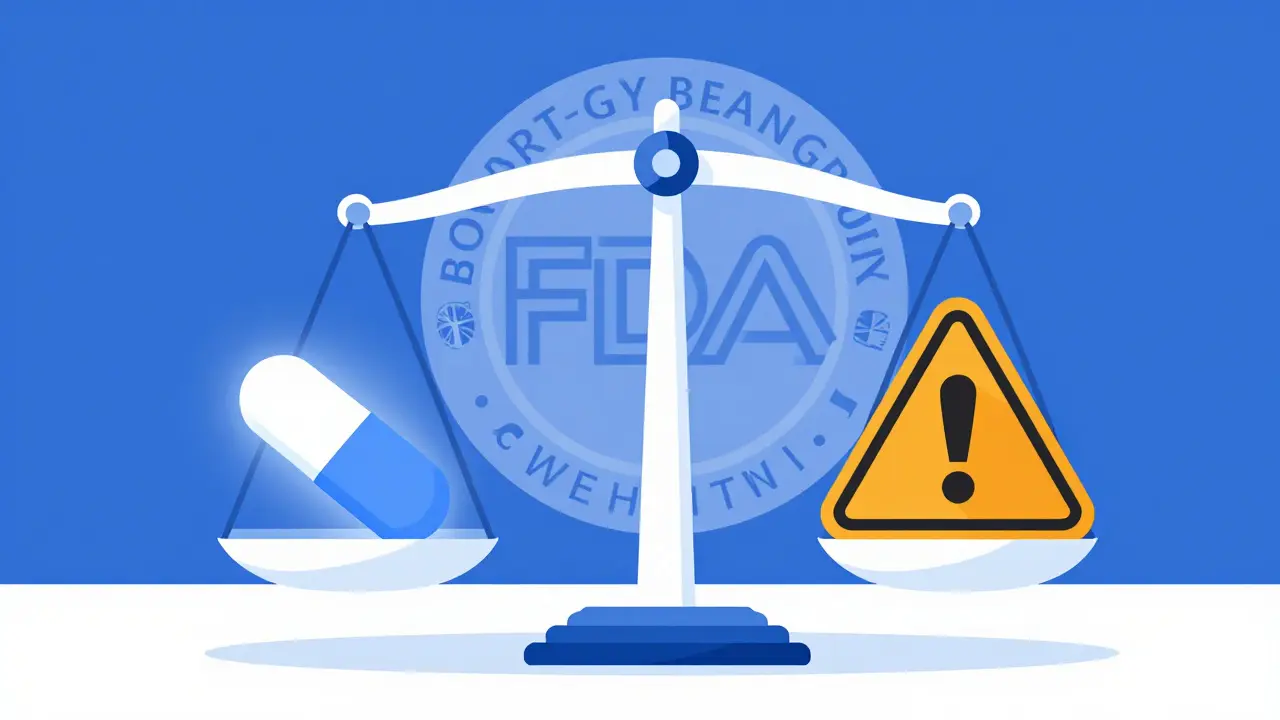
REMS Risk & Requirement Simulator
Adjust the risk and benefit sliders to see how the FDA might categorize a medication's safety requirements.
Imagine a drug that can save your life or clear your skin, but if taken incorrectly, could cause a severe birth defect or a sudden coma. For most medicines, a warning label in a pamphlet is enough. But for some, the risks are so high that the government steps in to control exactly how the drug is prescribed, dispensed, and tracked. That is where REMS Programs is a formal safety program established by the U.S. Food and Drug Administration (FDA) to monitor and manage medications with significant safety risks that require safeguards beyond standard labeling. Also known as Risk Evaluation and Mitigation Strategies, these programs ensure that the benefit of a dangerous but necessary drug outweighs its potential for harm.
Why Does the FDA Need More Than Just a Label?
Standard drug labeling tells you what might go wrong, but it doesn't stop it from happening. For about 95% of drugs, this is sufficient. However, some medications are simply too volatile for a "proceed with caution" note. The FDA uses REMS when a drug's risks are so serious that the agency needs to mandate specific actions from doctors and pharmacists before the drug even reaches the patient.
The authority for these programs comes from the 2007 Food and Drug Administration Amendments Act (FDAAA), specifically section 505-1 of the Federal Food, Drug, and Cosmetic Act. While the current system was formalized then, the concept dates back to the 1980s. Think of Isotretinoin is a medication used for severe acne that can cause severe birth defects . Because the risk is so catastrophic, a simple warning isn't enough; we need a system that proves the patient isn't pregnant before every single dose.
The Tools Used to Keep Patients Safe
Not every REMS program is the same. The FDA tailors the requirements based on the specific danger. Some programs are lightweight, while others are incredibly restrictive. The core components usually fall into a few specific categories:
- Medication Guides: Simple, patient-friendly papers that explain the biggest risks in plain English.
- Communication Plans: Direct outreach to healthcare providers to make sure doctors know exactly what to watch for.
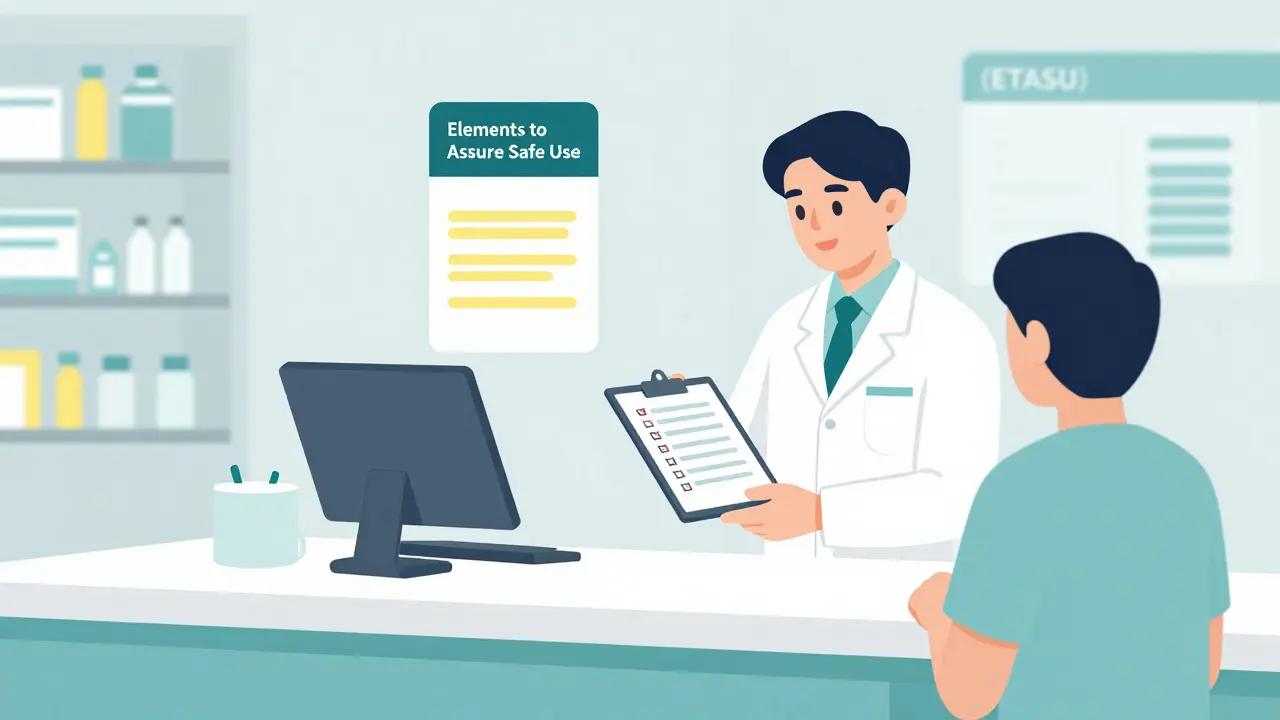
- Elements to Assure Safe Use (ETASU): These are the "heavy hitters." ETASU is the most restrictive part of a REMS program, requiring specific actions like prescriber certification, patient registries, or laboratory monitoring .
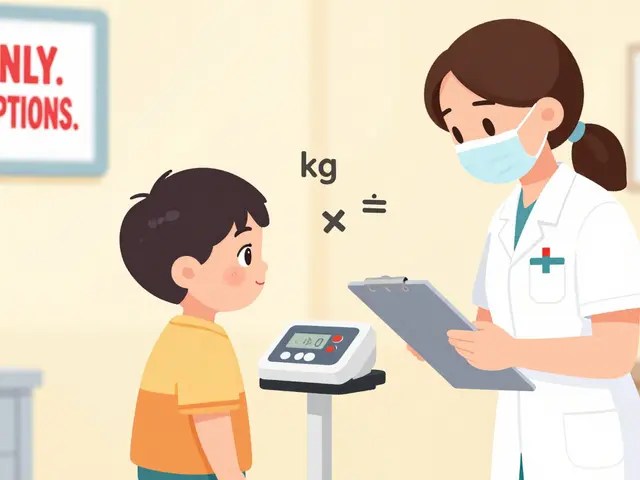
Take Zyprexa Relprevv is a long-acting injectable antipsychotic for schizophrenia as a real-world example. It carries a risk of post-injection delirium sedation syndrome. Because this can lead to a coma, the FDA requires it to be administered only in certified facilities where a patient can be observed for at least three hours. You can't just get this shot at a neighborhood clinic and drive home.
| Feature | Standard Labeling | FDA REMS | EU Risk Management Plans (RMPs) |
|---|---|---|---|
| Application | Almost all approved drugs | Selected high-risk drugs | All new medicines |
| Requirement | Informational warnings | Mandatory safety actions | Systematic risk monitoring |
| Responsibility | FDA/Manufacturer | Drug Sponsor (Company) | Marketing Authorization Holder |
| Access Impact | Low (Standard) | High (Potential delays) | Moderate |
The Burden on Doctors and Pharmacists
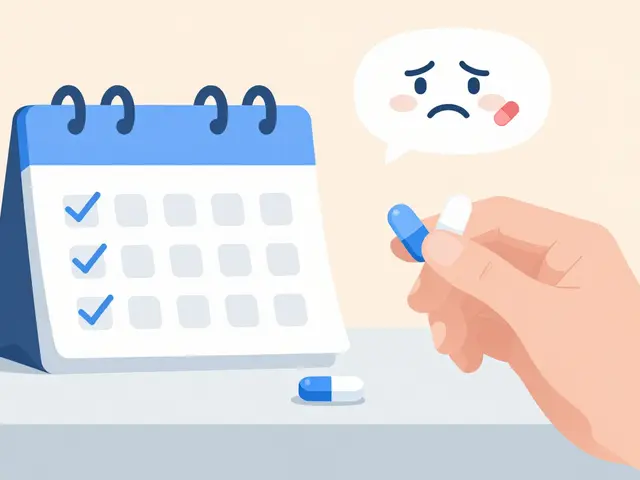
While the goal is safety, the reality in a busy clinic can be a nightmare. A 2022 survey by the American Medical Association found that 68% of physicians experienced delays in starting a patient on a REMS drug. For the patient, this means waiting longer for a life-saving therapy. In some cases, it adds an average of 5.4 days to the time it takes to get the first prescription.
Pharmacists feel the pinch even more. Imagine trying to dispense Clozapine is an atypical antipsychotic that can cause agranulocytosis, a dangerous drop in white blood cells . The pharmacist must verify weekly blood monitoring for the first six months. If the paperwork isn't perfect, they can't dispense the drug. According to a Pharmacy Times report, hospital pharmacists spend an extra 2 to 5 hours a week just managing these bureaucratic hurdles.
Then there is the iPLEDGE is the specific REMS program for isotretinoin designed to prevent fetal exposure program. Pharmacy professionals often complain on forums like Reddit about the multiple verification steps that can delay acne treatment by a full week, turning a simple prescription into a digital marathon of logins and approvals.
How the FDA Decides Which Drugs Get a REMS
The FDA doesn't just flip a coin. They use a specific set of criteria to decide if a drug needs a REMS program. They look at the seriousness of the potential side effects and how often they occur in the target population. They also weigh the therapeutic benefit-if a drug treats a terminal illness, the FDA might accept a higher risk profile than they would for a drug treating a mild skin condition.
Other factors include whether the drug is a new molecular entity (a completely new chemical) and how long the patient will need to be on the treatment. For instance, oncology drugs are the most common subjects of REMS, making up about 37% of all active programs. This is because cancer therapies are often highly targeted and potent, bringing an increased risk of severe toxicity.
The Business and Legal Side of Risk Management
Running a REMS program is expensive. The pharmaceutical companies, or "sponsors," foot the bill. According to PhRMA, the industry spends about $1.2 billion annually on these programs. A simple program with just a medication guide might cost $500,000, but a complex ETASU program with a full patient registry can cost over $15 million a year.
Compliance isn't optional. If a company fails to implement the program correctly, the FDA hits them hard. In fiscal year 2022, the FDA issued 17 warning letters for REMS non-compliance. One generic manufacturer had to pay a $2.1 million settlement because their clozapine program was inadequate. This shows that the FDA views the REMS not as a suggestion, but as a legal condition of the drug's approval.
The Future: Digital Health and "Sunsetting"
We are seeing a shift toward streamlining. The FDA's REMS Integration Initiative has already started moving different programs onto a single platform to stop doctors from having to remember 50 different passwords for 50 different drugs. There is also a move toward digital health. Pilot programs are now testing smartphone apps for real-time monitoring of anticoagulant medications, which could replace some of the manual paperwork.
More interestingly, REMS programs can actually end. This is called "sunsetting." In August 2023, the FDA sunset the program for Thalidomide is a medication used for leprosy and certain cancers, historically known for causing severe birth defects . After 20 years, the FDA decided that our understanding of the risk and the alternative management tools were good enough that the formal REMS was no longer needed.
Does a REMS program mean a drug is unsafe?
Not necessarily. It means the drug has specific, serious risks that can be managed. Many life-saving cancer or psychiatric drugs have REMS because the benefit of treating the disease is much greater than the risk, provided the safety steps are followed.
Who is responsible for the cost of a REMS program?
The pharmaceutical company (the sponsor) that manufactures the drug is responsible for developing, implementing, and paying for the REMS program.
Can a patient get a REMS drug if their doctor isn't certified?
Generally, no. If the REMS includes "Elements to Assure Safe Use" (ETASU), the prescriber must be certified and the pharmacy must be enrolled in the program to legally dispense the medication.
What is the difference between a REMS and a Black Box Warning?
A Black Box Warning is a prominent label on the packaging to alert users of a serious risk. A REMS is a full-scale program that requires actual actions (like registries or blood tests) to mitigate that risk. A drug can have both.
How many REMS programs are currently active?
As of late 2023, the FDA maintains 78 active REMS programs covering roughly 150 different medications.




It's really interesting to see how the balance between safety and accessibility is handled here, especially since it's such a delicate dance when you're dealing with life-altering medications where one mistake could be catastrophic. I've always felt that while the bureaucracy is a bit of a headache for the providers, the intention behind these registries is to create a safety net that catches those who might otherwise slip through the cracks in a busy clinical setting, and it's just lovely to see the FDA moving toward digital integration to make the process a bit more human-centric and less about filling out endless forms of paperwork.
Just another way for the government to track every single pill we take.
The mention of the 2007 FDAAA is a basic starting point, but any serious student of regulatory affairs knows that the actual implementation of ETASU is where the real inefficiency lies. The bureaucratic overhead is an inevitable consequence of a risk-averse regulatory culture that prioritizes litigation shielding over clinical agility. It is quite amusing that some find this system 'safe' when it merely shifts the risk from the drug's chemistry to the provider's administrative competence.
Actually, the EU's RMPs are way more comprehensive because they apply to everything, not just the 'scary' stuff, so the US system is kind of just playing catch-up with a bunch of red tape.
The paradox of safety is that by creating a wall of bureaucracy to protect the patient, we often create a wall of delay that harms the patient. We seek absolute certainty in a world defined by probability, and the REMS program is just a manifestation of that human fear of failure masquerading as medical protocol. It is an inefficient solution to a biological problem.
One would think that the pharmaceutical companies would be more transparent about these costs... though, of course, they just bake it into the price of the drug anyway!!! It's simply exhausting to witness the lack of ethics in this industry...
I feel for the pharmacists who have to deal with all this. It sounds like a lot of stress, but it's good to know they are looking out for us!
Digital health is definitely the way to go!!! I'm so glad to hear that things are getting streamlined for the doctors and patients alike!!!! This is a huge win for everyone involved!!!!
Good to see the progress on the digital platforms.