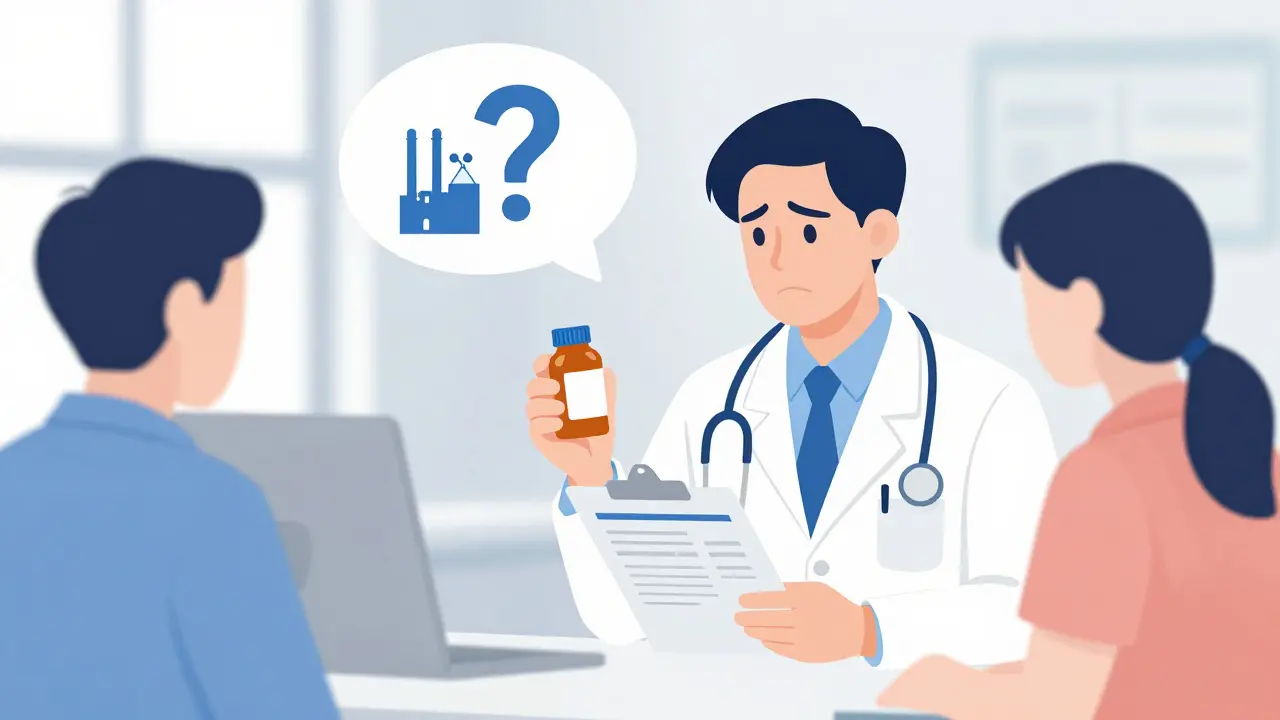
Key Takeaways for Fast Reporting
- Timeline: Serious and unexpected reactions must be reported to the FDA within 15 calendar days.
- Tool: Use the MedWatch Form 3500 or the electronic portal for all submissions.
- Critical Detail: You must identify the specific generic manufacturer, not just the active ingredient.
- Pro Tip: Use NDC codes and databases like DailyMed to identify manufacturers when the label is unclear.
- The Gap: Generic drugs make up 90% of prescriptions but are severely underreported compared to brand names.
What Exactly is a Serious Adverse Event?
Before getting into the paperwork, we need to be clear on what counts as a "serious" event. In the eyes of the FDA, a Serious Adverse Event is any medical occurrence that results in death, is life-threatening, requires hospitalization, or causes permanent disability or congenital anomalies. It also includes any situation where a doctor has to step in quickly to prevent one of those outcomes from happening. If a patient experiences a mild rash that clears up with a cream, that's an adverse event, but not necessarily a "serious" one. However, if that same rash leads to systemic shock requiring an ICU stay, it's an SAE. For generic drugs, the reporting requirements are identical to those for brand-name drugs under 21 CFR 312.64(b). Whether the drug costs $1 or $100, the safety stakes are the same.The Step-by-Step Reporting Process
Reporting a reaction to a generic drug is more than just checking a box. Because pharmacies often swap generic suppliers based on cost, the trail can get cold quickly. Here is the most efficient way to handle the process:- Secure the Medication Container: Don't rely on the patient's memory. The manufacturer's name is often printed in tiny text on the side of the bottle or the blister pack.
- Identify the NDC Code: Look for the National Drug Code (NDC). This 10- or 11-digit number is the gold standard for identifying exactly which company made the drug.
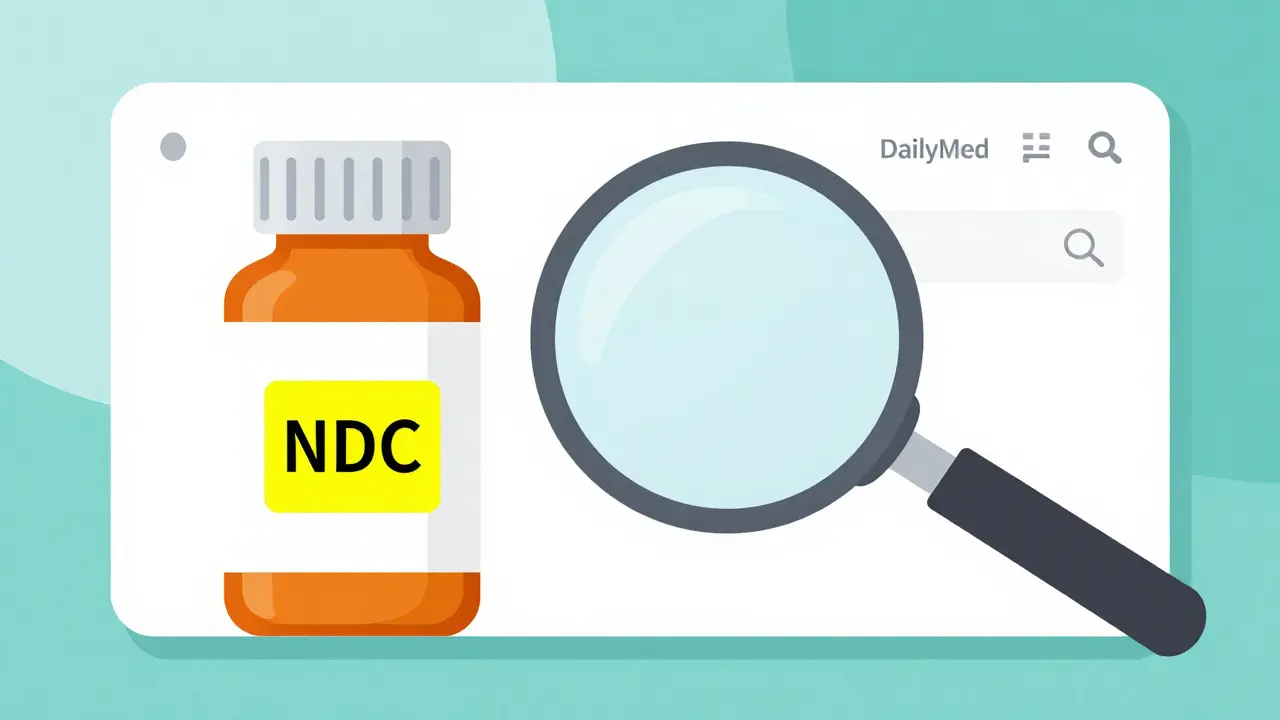
- Cross-Reference with DailyMed: If the label is smeared or missing, plug that NDC code into the DailyMed database. This helps you find the specific manufacturer without spending an hour on Google.
- Complete the MedWatch Form: Fill out MedWatch Form 3500. Be specific about the active ingredient and the manufacturer. Avoid the temptation to just list the brand-name equivalent, as this ruins the data for the generic manufacturer.
- Submit Within the Window: If you are the manufacturer, you have 15 calendar days from the first report to notify the FDA. Healthcare providers should report as soon as possible to ensure the signal is caught.
Why Generic Reporting is Broken
There is a massive discrepancy in how we track safety. Think about this: generics represent about 90% of all prescriptions dispensed in the U.S., yet brand-name manufacturers submit roughly 68% of all serious adverse event reports. Why the gap? First, there's a resource problem. While almost every brand-name company has a dedicated Pharmacovigilance the science and activities relating to the detection, assessment, understanding and prevention of adverse effects department, only about 42% of generic manufacturers have the same. Smaller companies often outsource this to third-party contractors, which can lead to inconsistent data. Second, there's a practical hurdle for doctors. In a survey of over 1,200 healthcare providers, 68% said they struggled to identify the specific generic manufacturer. When a doctor is rushed, they often default to reporting the event to the brand-name manufacturer simply because the name is easier to find. This creates a "blind spot" where a specific generic formulation might be causing issues, but the data is incorrectly attributed to the original brand.| Feature | Brand-Name Drugs | Generic Drugs |
|---|---|---|
| FDA Regulatory Requirement | 15-Day Notification | 15-Day Notification |
| Market Share (Prescriptions) | ~10% | ~90% |
| Reporting Volume (Approx.) | ~68% of reports | ~32% of reports |
| Internal Safety Depts | 98% of companies | 42% of companies |
| Reporting Ease (Provider) | High (Clear Brand) | Low (Manufacturer Varies) |
Common Pitfalls and How to Avoid Them
If you're a pharmacist or physician, the biggest mistake you can make is "lazy reporting." This happens when you list the active ingredient (like Losartan) but leave the manufacturer field blank or put "Generic." This makes the report nearly useless for signal detection. Another issue is the "substitution loop." A patient might start a medication with Manufacturer A, but their pharmacy switches to Manufacturer B halfway through the month. If the reaction happens on day 20, you need to know exactly which bottle they were holding. To fix this, some hospitals have started using barcode scanning for all medications at the point of administration. Pilot studies show this can increase the accuracy of generic reporting by 63%. If your facility doesn't have this, the best move is to mandate that the pharmacy include the manufacturer's name clearly on the prescription label-a move the FDA has actually proposed in recent draft guidance.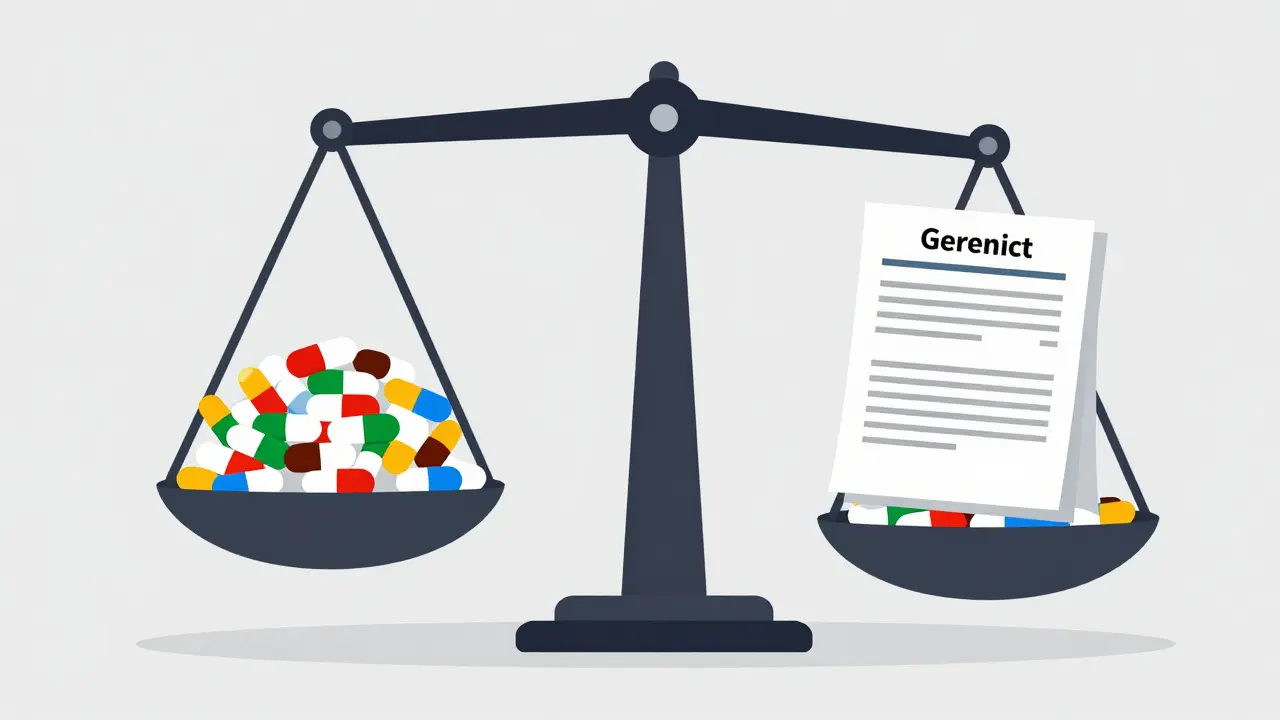
The Future of Safety Monitoring
Things are finally starting to change. The FDA recently launched FAERS 2.0, which does a much better job of linking adverse events to specific manufacturers via NDC code tracking. There is also a push through the Generic Drug User Fee Amendments (GDUFA) to put more money-about $15 million in the current cycle-into improving how we monitor generics after they hit the market. We're also seeing a shift in how generic companies operate. Spending on safety technology is expected to jump to $320 million by 2027. This suggests that even the smaller players are realizing that a lack of safety data is a business risk. When a company can't prove its drug is safe because it has no data, it loses the trust of the providers who prescribe it.How long does a generic manufacturer have to keep safety records?
Per 21 CFR 310.305, generic manufacturers are required to maintain records of all adverse drug experiences for 10 years after the report was first received.
What happens if I can't find the manufacturer on the bottle?
You should locate the National Drug Code (NDC) number on the packaging and use the DailyMed database to identify the specific manufacturer. Avoid reporting it as just "generic" or attributing it to the brand-name company.
Is the reporting timeline different in Europe?
Yes, the European Medicines Agency (EMA) has stricter timelines for the most severe cases. Fatal or life-threatening unexpected reactions must be reported within 7 calendar days, with a full report following within 8 more days.
Why are generic drugs underreported if the rules are the same as brands?
Underreporting stems from two main issues: many smaller generic companies lack dedicated pharmacovigilance departments, and healthcare providers often struggle to identify the specific manufacturer when pharmacies frequently switch suppliers.
Does the FDA's MedWatch system handle electronic reports?
Yes, the FDA provides an online portal and electronic equivalents to Form 3500 to make reporting faster and more accurate for healthcare professionals.
Next Steps for Providers and Pharmacies
If you're looking to improve the safety of your patients, start with these three actions:- Audit your labels: Ensure your pharmacy is printing the manufacturer's name on the label, not just the drug name.
- Standardize NDC capture: Make it a habit to record the NDC code in the patient's chart at the time of the first prescription fill.
- Educate staff: Let your nurses and pharmacists know that reporting a generic reaction to a brand-name company is a common error that hinders drug safety.




Everyone knows that the NDC code is just the basic starting point and most providers don't even realize how many variations there are for the same generic drug.
Big Pharma loves these blind spots. They hide the truth about generics to keep us dependent on expensive brands. It's a scam!
This is such a helpful reminder for anyone working in a clinic. It's great to see more focus on patient safety for everyone, regardless of the drug cost!
Oh wow, so we're just supposed to spend our limited free time playing detective with 11-digit codes because the system is a disaster? Absolutely thrilling.
It's really interesting to think about how the infrastructure of our reporting systems shapes the actual medical data we rely on for public health. If we only report the brand names, we're essentially creating a distorted map of drug safety that doesn't reflect what people are actually taking in their homes, which is why moving toward barcode scanning at the point of care is such a vital step forward for the industry. I've seen a few clinics try to implement this and while the initial setup is a bit of a headache, the long-term benefit of having an accurate audit trail for every single pill dispensed is just too significant to ignore, and I think we should be encouraging more mid-sized facilities to adopt these standards even if it takes a bit more effort from the staff initially.
the gap between policy and practice is always where the real danger lies... its not about the rules but how they are lived out in a busy clinic
Totally agree with the point about barcode scanning!! 🌟 It would make life so much easier for the nurses and keep patients safe! ✨💖
The sheer incompetence of reporting a reaction to a brand-name company simply because it is easier to find is a staggering indictment of current clinical habits.
One would think that basic professional diligence would be standard, but apparently, "lazy reporting" is the new norm in healthcare... how tragic!!!
We must act now! Accuracy saves lives!
The irony here is that we mistake the label for the essence of the medicine. A generic is theoretically the same molecule, yet we treat the manufacturer as the variable. This is a classic example of the map not being the territory, and the failure of the FDA to mandate labels is just a symptom of a larger bureaucratic decay that values profit over precision. Honestly, if you can't identify the source of a systemic failure, you're just treating the symptoms of the system itself, which is a philosophical dead end.
Too many steps here.
It is most commendable that the FDA is implementing FAERS 2.0 to address these discrepancies and enhance the safety of pharmaceutical consumption globally.