Oct 5, 2025
The Science Behind AIDS: How HIV Attacks the Immune System
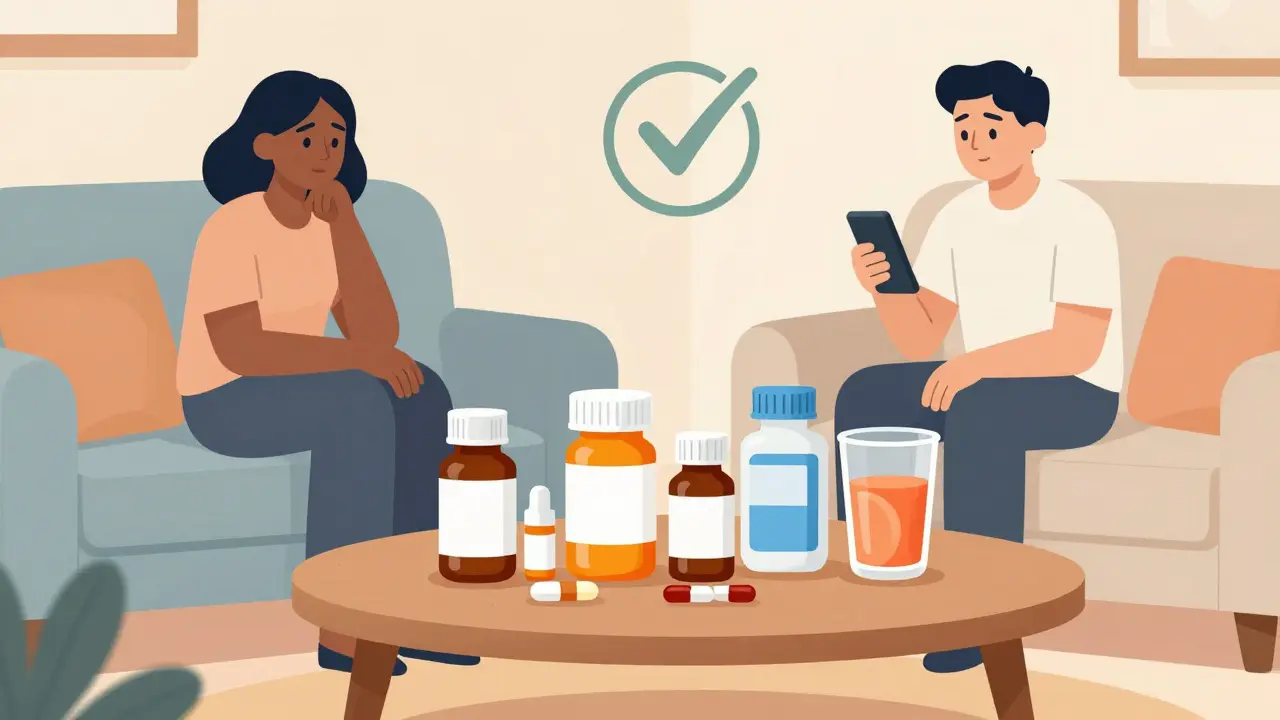
Learn how to safely check for drug interactions at home using reliable digital tools. This guide covers step-by-step instructions, top checker comparisons, and expert tips to avoid adverse reactions.
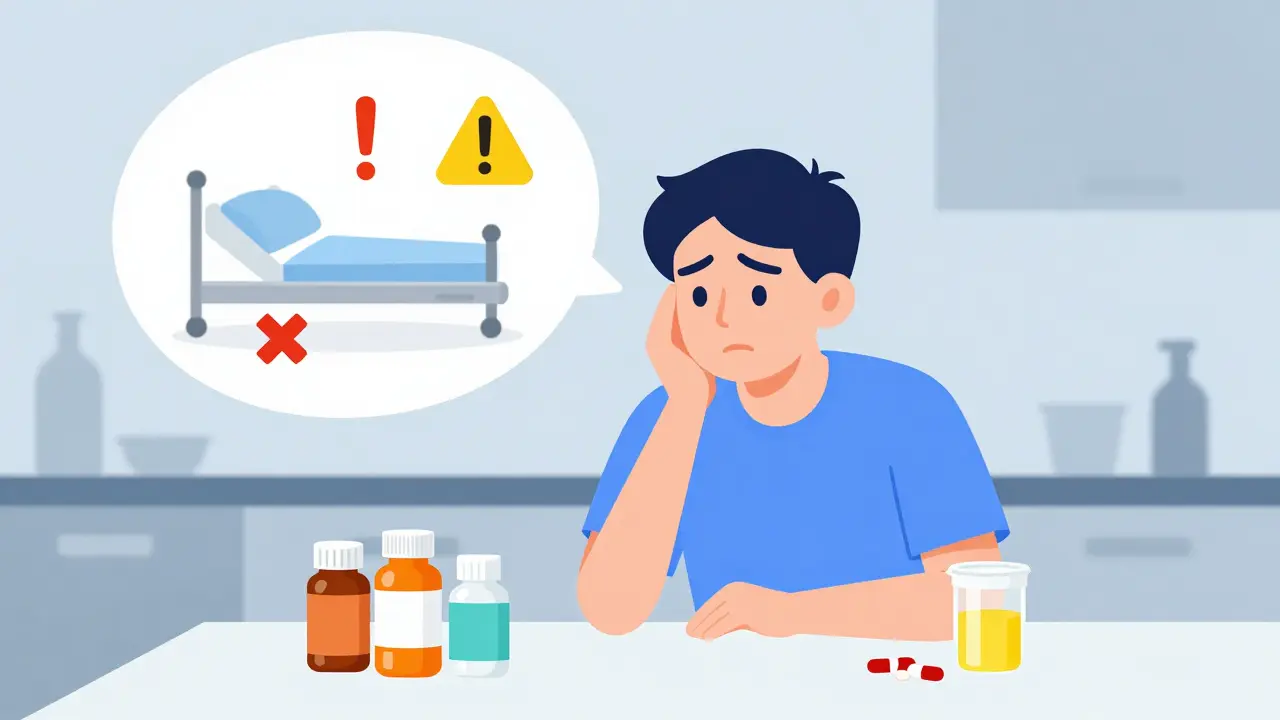
Adverse Drug Events (ADEs) cause hundreds of thousands of hospitalizations yearly. Learn the definition, types like drug interactions and errors, and evidence-based prevention strategies to stay safe.
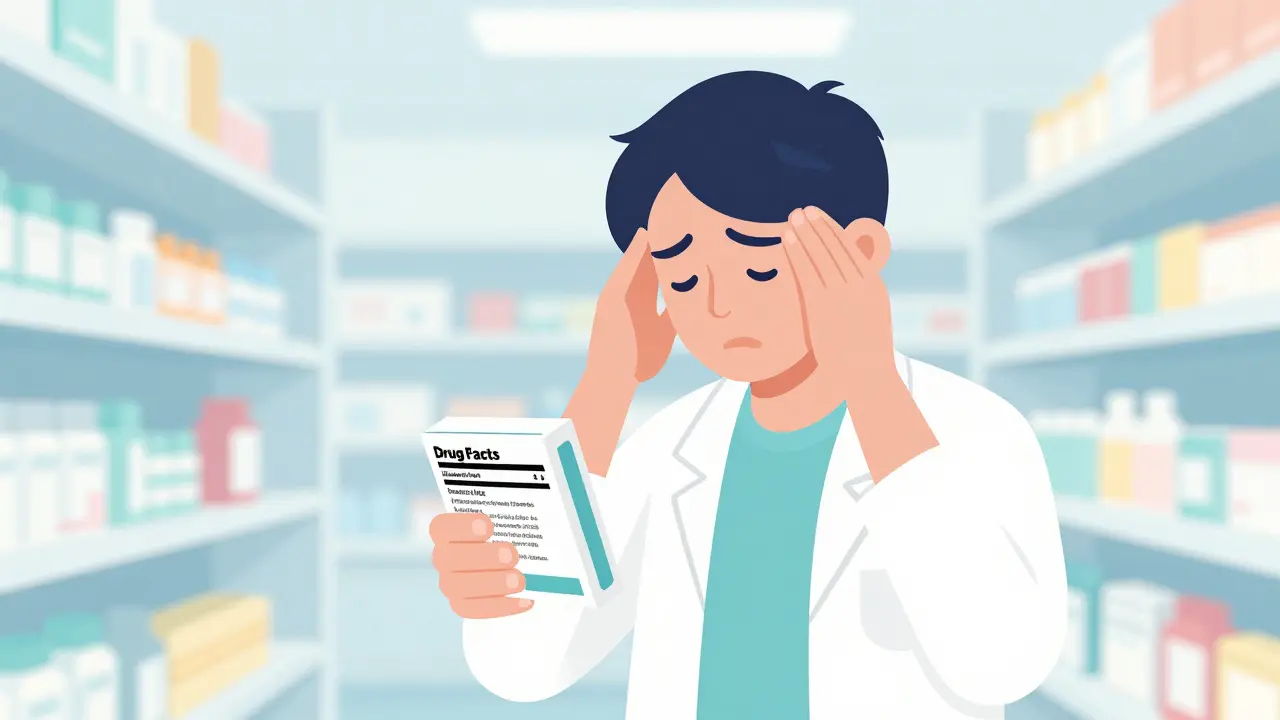
Learn how to read OTC Drug Facts Labels correctly to avoid medication errors. Understand active ingredients, warnings, and dosage directions for safer self-care.
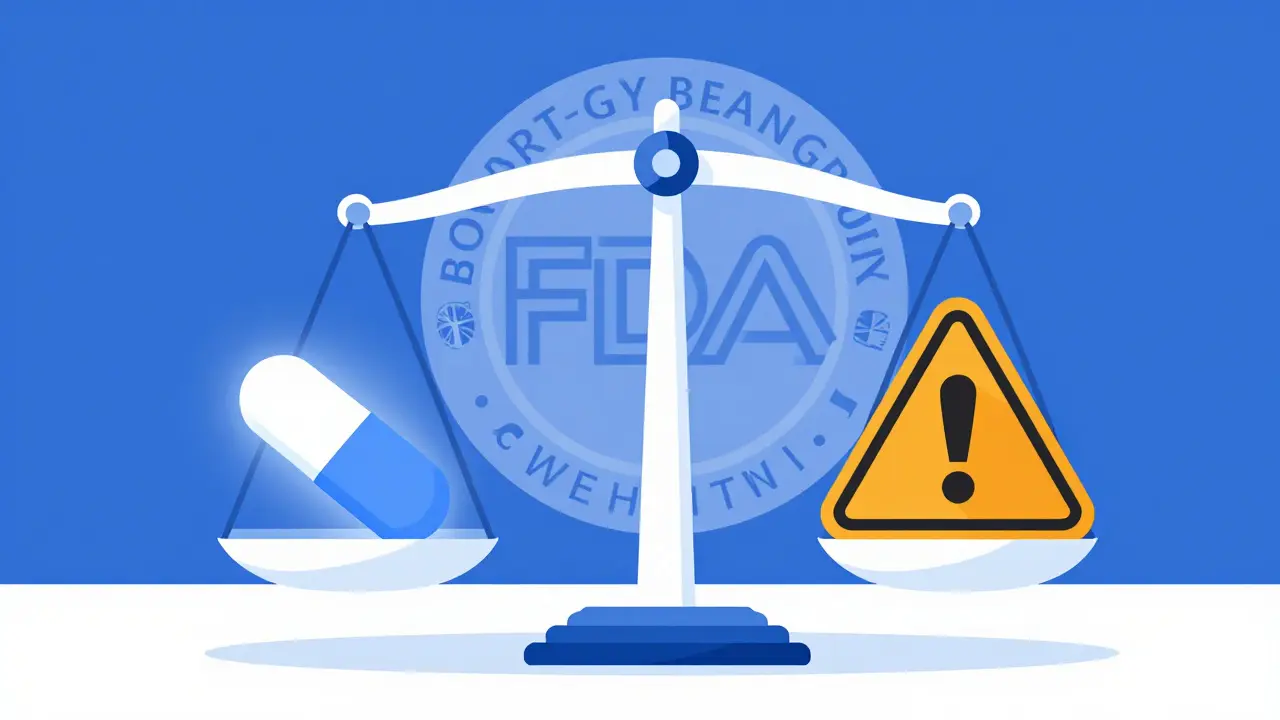
What are REMS programs? Learn how the FDA uses Risk Evaluation and Mitigation Strategies to manage high-risk drugs, ensuring patient safety without blocking access.

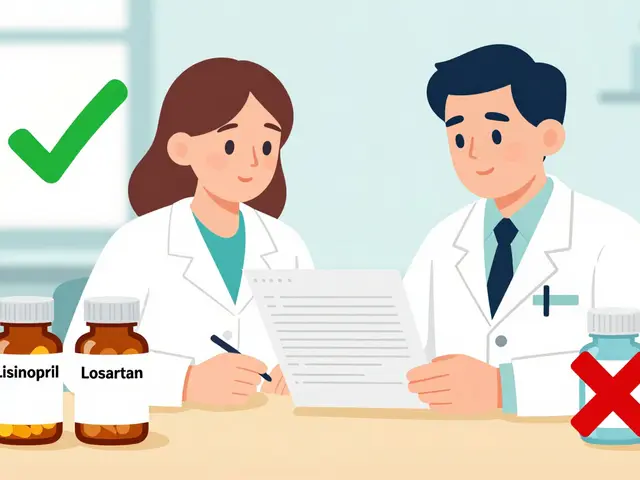
Explore how healthcare team collaboration between pharmacists and physicians reduces errors. Learn how shared decision-making improves side effect management and patient outcomes.
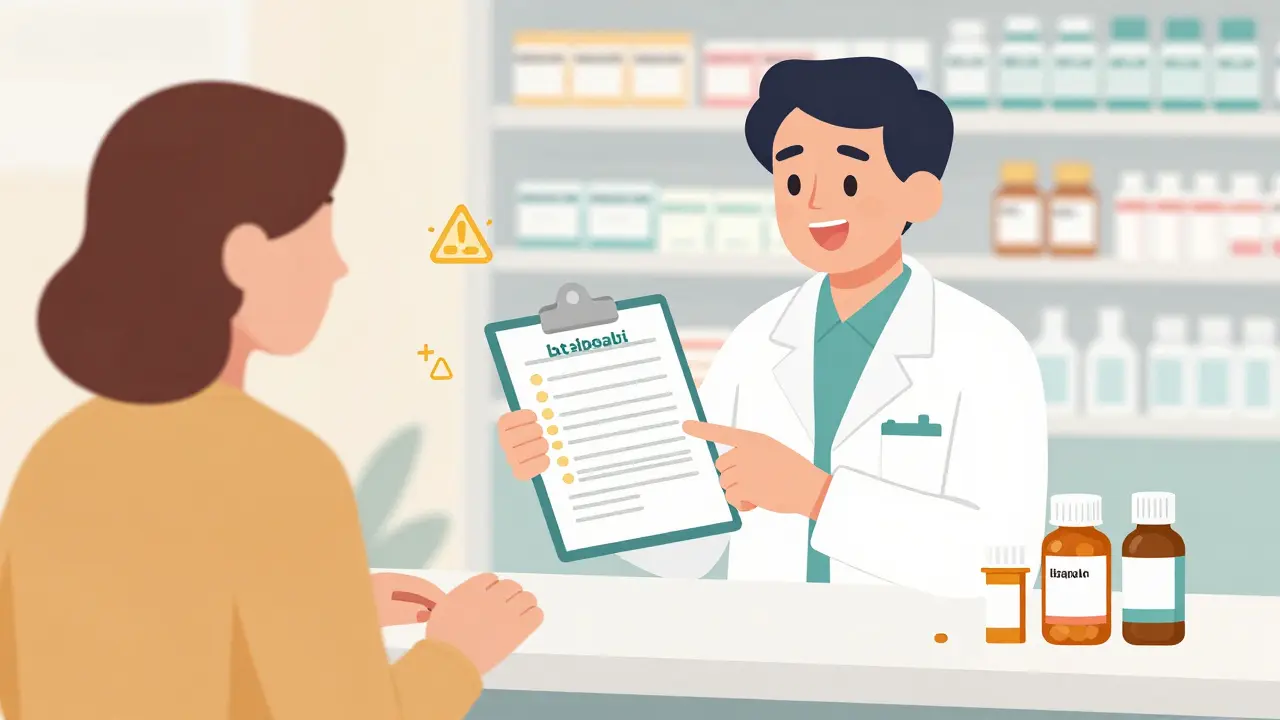
Knowing what to ask your pharmacist about drug interactions can prevent dangerous side effects, ER visits, and even save your life. Here are the 7 essential questions to ask every time you get a new prescription.
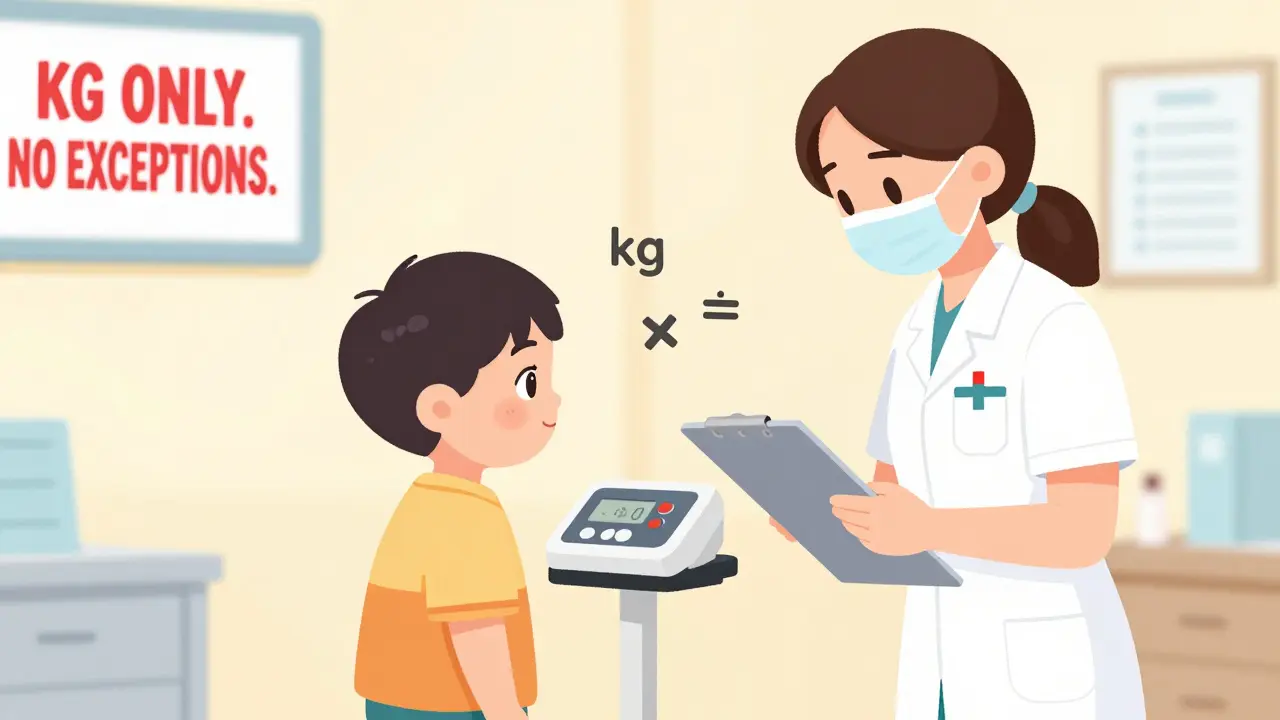
Weight-based dosing is the gold standard for pediatric medication safety, reducing errors by 43% compared to age-based methods. Learn how accurate calculations and double-checks prevent life-threatening mistakes in children.
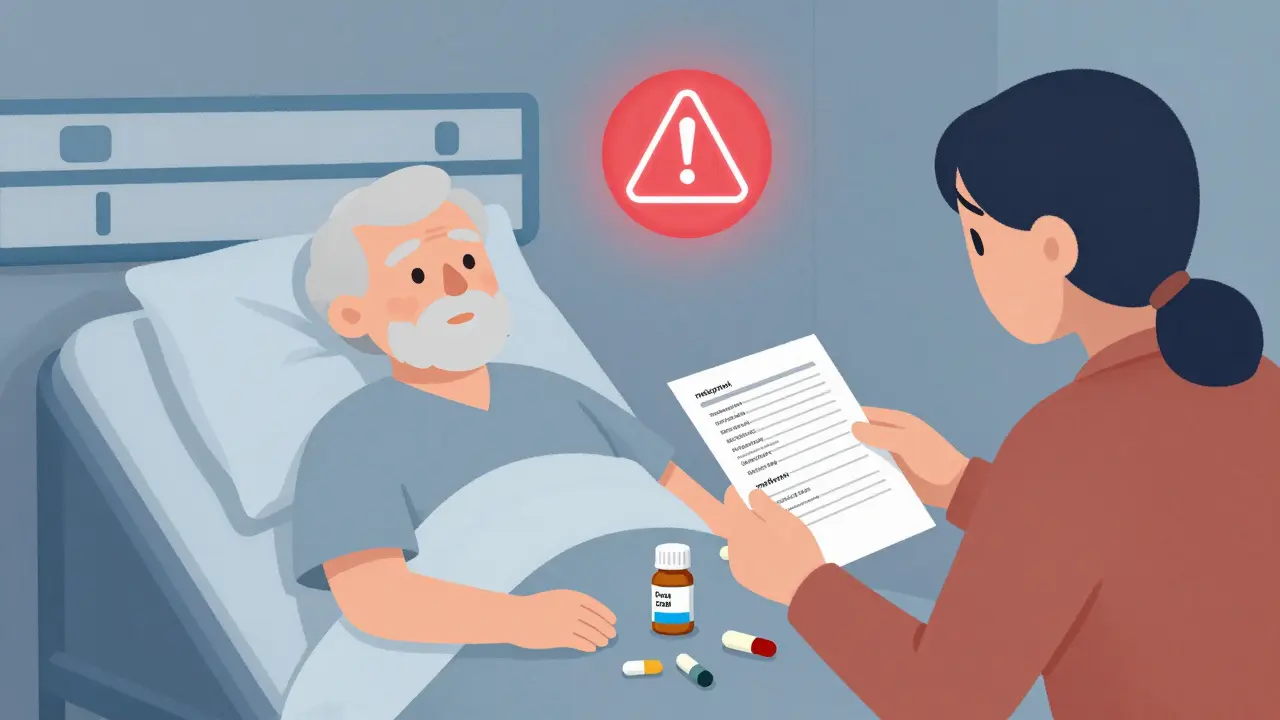
Medication errors cause over 125,000 preventable deaths yearly in the U.S. and cost $42 billion globally. This article explains why medication safety is a critical public health priority, highlighting real data, systemic failures, and proven solutions.
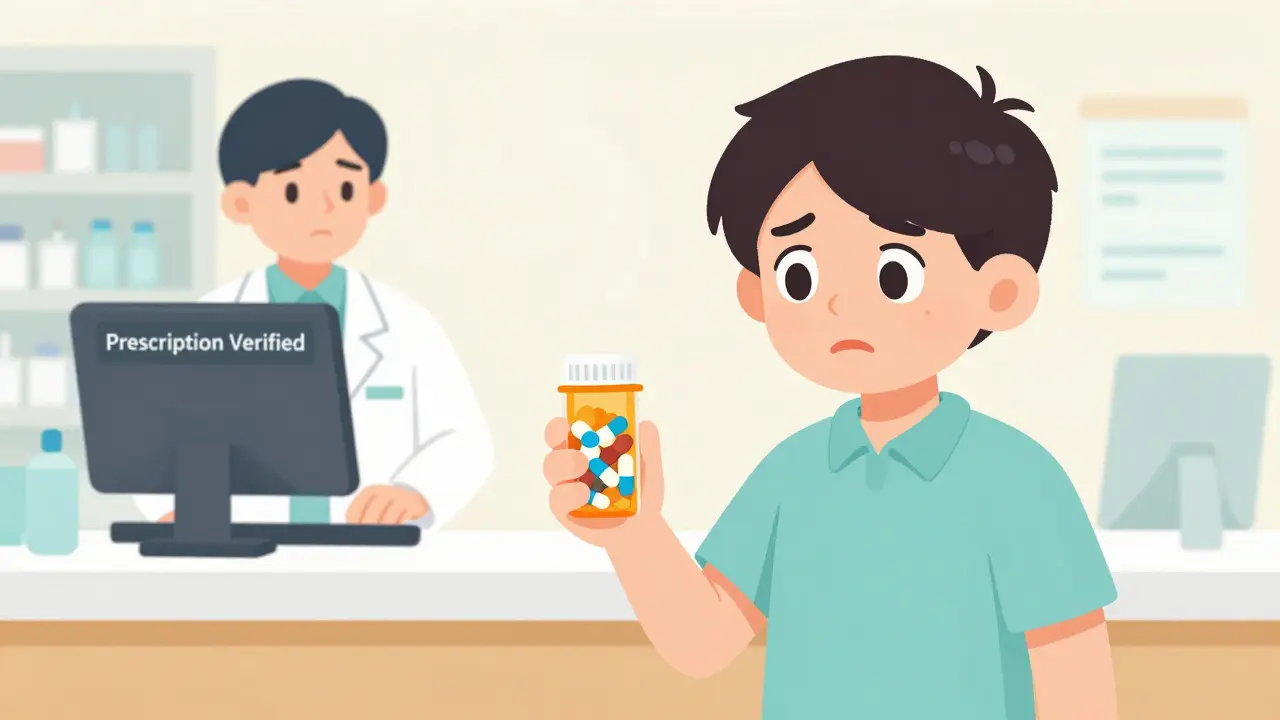
If you get the wrong medication from the pharmacy, stop taking it immediately. Contact your doctor, preserve evidence, report the error, and know your legal rights. Wrong pills can cause serious harm - here’s what to do next.
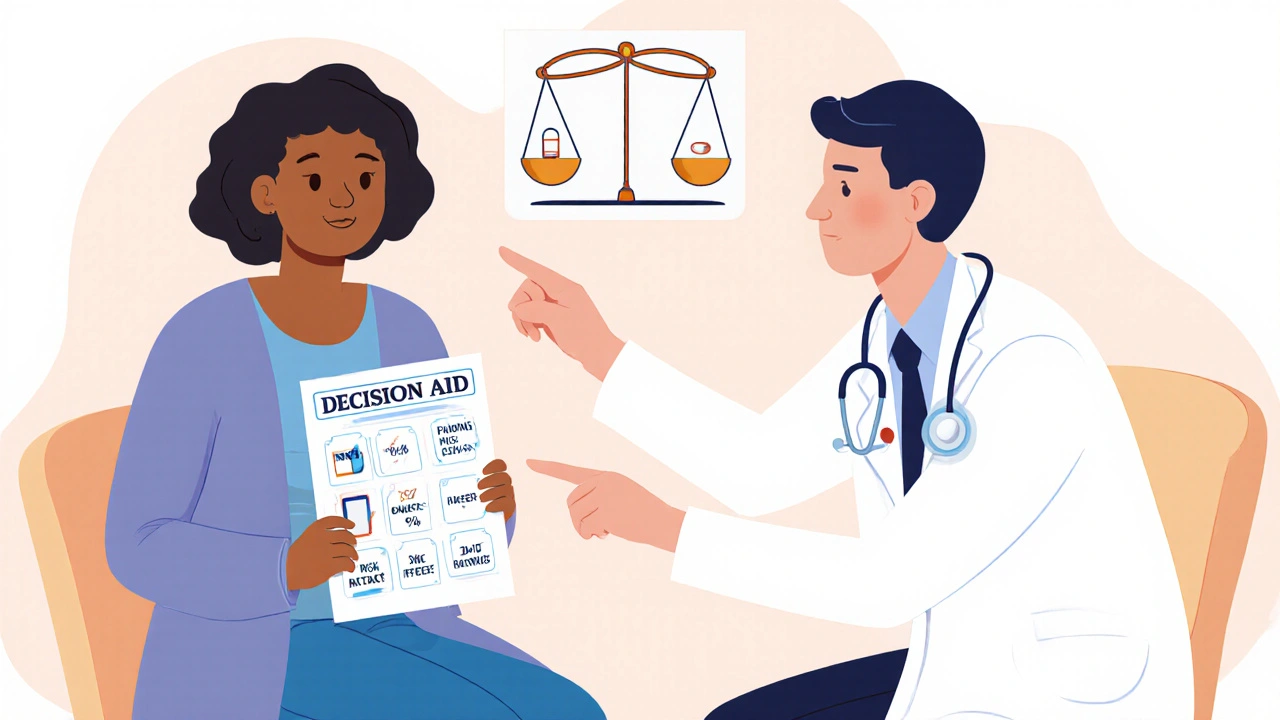
Patient decision aids improve medication safety by helping patients understand treatment options, reduce confusion, and make choices aligned with their values-leading to better adherence and fewer errors.
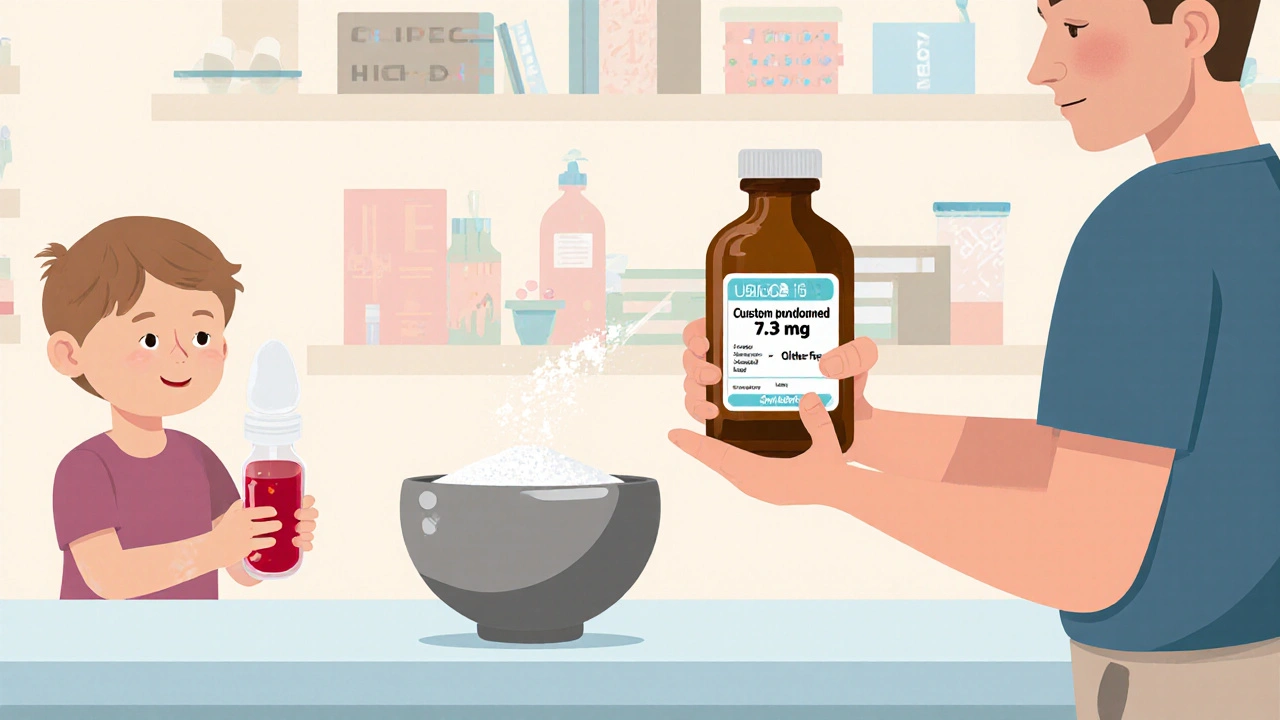
Compounded medications are custom-made prescriptions for patients who can't use standard drugs due to allergies, dosage needs, or swallowing issues. Learn when they're necessary, how to find a safe pharmacy, and the risks involved.
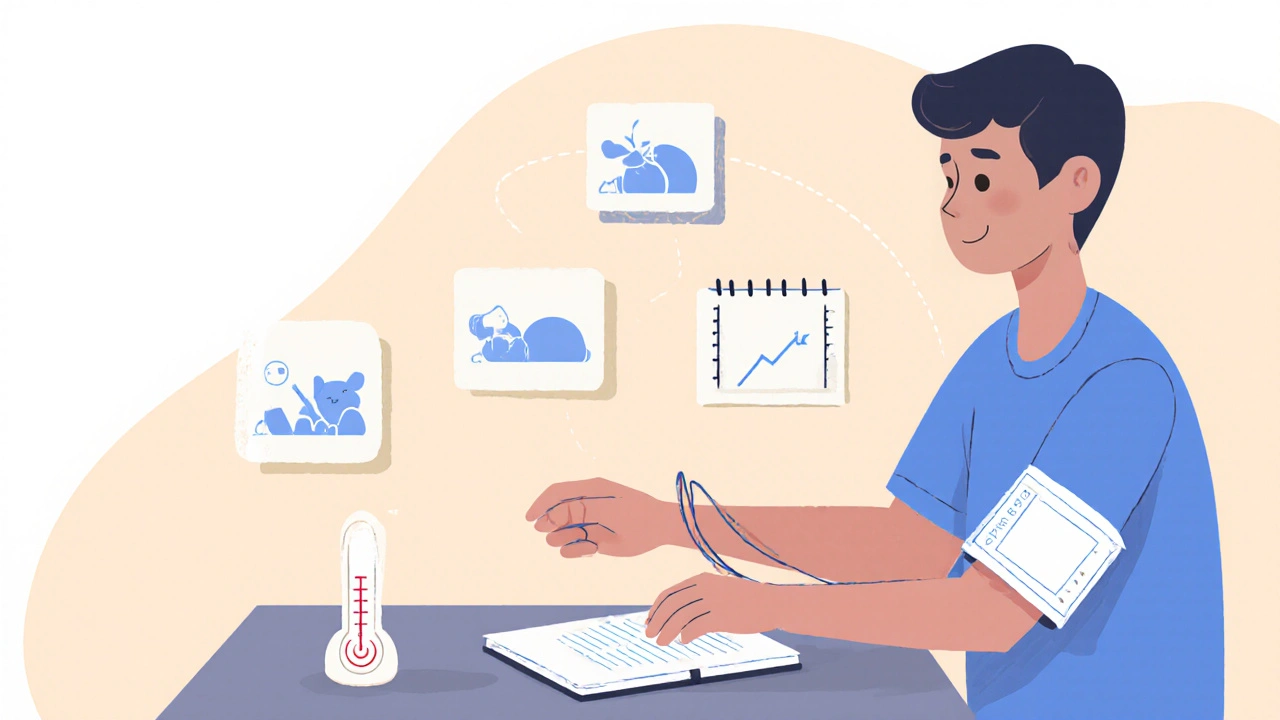
Regular blood pressure monitoring is essential when taking azilsartan to ensure the medication is working and to catch dangerous changes early. Skipping checks can lead to uncontrolled hypertension and serious health risks.