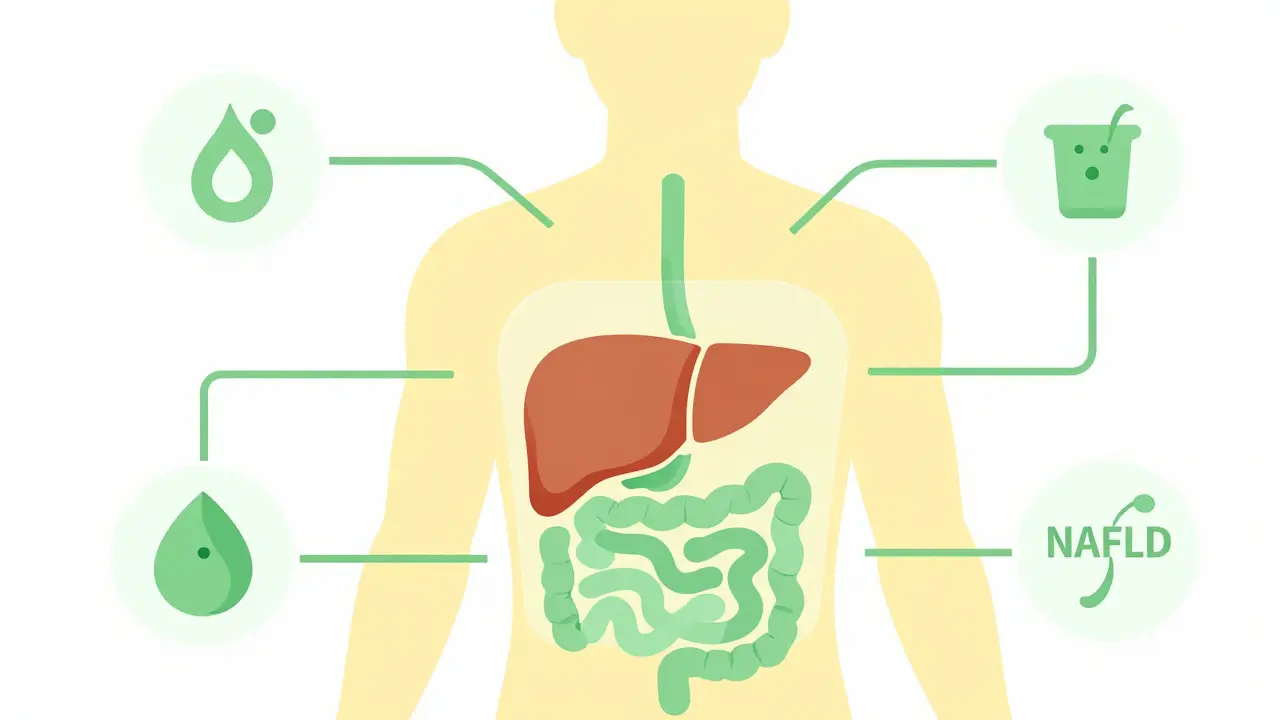
The Silent Shift from NAFLD to MASH
You might have heard doctors call it Non-Alcoholic Fatty Liver Disease, often abbreviated as NAFLD. Recently, medical experts have been shifting the terminology toward Metabolic Dysfunction-Associated Steatohepatitis or MASH. This isn't just a name change for semantics. It reflects a deeper understanding that this condition is driven by metabolic health issues rather than just fat sitting in your organs. If you are reading this because a doctor flagged high liver enzymes or a scan showed fat infiltration, you are likely facing a confusing diagnosis. The good news is that unlike some other chronic diseases, this condition is reversible. The bad news is that about 6% of U.S. adults live with this, making it a common but often misunderstood health challenge.
The core problem is simple to grasp but difficult to fix: your liver stores too much fat. When you carry extra weight, your cells struggle to handle insulin properly. Your pancreas pumps out more to cope, and your liver ends up converting that excess glucose into triglycerides instead of burning energy. These triglycerides pile up inside liver cells. Over time, this storage turns into inflammation, scarring, and eventually cirrhosis. It is called a silent disease because most people feel fine until significant damage has occurred. By the time symptoms appear-like fatigue or discomfort on the right side under your ribs-the game has already changed.
Why Weight Loss Is the Only Proven Cure
There is no magic pill that fixes a fatty liver without addressing the root cause. Extensive research confirms that shedding pounds is the most effective intervention we have. You might wonder how much you need to lose to see a difference. According to the American Association for the Study of Liver Diseases (AASLD), losing just 5% of your total body weight is enough to reduce the fat in your liver. For context, if you weigh 200 pounds, dropping 10 pounds is the clinical threshold for improvement.
If you push further and lose more than 10% of your starting weight, the benefits ramp up significantly. Studies indicate that crossing this higher threshold leads to the regression of liver fibrosis. That means actual healing of scar tissue. While losing that amount sounds daunting, the correlation between weight reduction and histologic improvement is direct. More weight loss equals healthier liver tissue. Unfortunately, sustaining this loss is the hard part. A three-year study found that fewer than one-third of individuals achieved greater than 5% weight loss, and only 25% maintained it long-term. This is why relying on willpower alone rarely works for complex conditions like MASH.
Fueling Recovery with the Mediterranean Diet
The Mediterranean diet focuses on whole plant foods, healthy fats, and limited processed items. This dietary pattern has shown statistical significance in reducing alanine aminotransferase levels, which are markers of liver injury. Instead of counting every single calorie, which can be exhausting, focus on composition. Swap saturated fats for olive oil. Replace white bread with whole grains. Prioritize fish over red meat. Research shows these changes lower liver stiffness scores and improve overall liver function tests.
- Vegetables: Aim for at least five servings daily. Cruciferous veggies like broccoli are particularly good.
- Fruits: Stick to berries and citrus. Avoid sugary smoothies or fruit juices.
- Grains: Use quinoa, barley, or brown rice instead of refined wheat products.
- Fats: Olive oil and nuts are your friends; avoid hydrogenated oils completely.
This isn't about starving yourself. It is about creating a caloric deficit. Most patients need a daily deficit of 500 to 1,000 calories to achieve a safe weight loss rate of 1 to 2 pounds weekly. Crash diets often fail because they starve the body, leading to muscle loss and eventual rebound fat gain. Sustainable weight management requires consistency.

Moving Your Body for Liver Health
Exercise plays a dual role here. First, it burns calories directly. Second, and perhaps more importantly, it improves insulin sensitivity even before the scale moves. Guidelines suggest at least 150 minutes of moderate-intensity activity per week. Think brisk walking, swimming, or cycling. But adding resistance training is also crucial. Muscle tissue acts as a giant glucose sponge. The more lean mass you have, the better your body manages blood sugar, and the less fat accumulates in your liver.
Do not skip days because you aren't losing weight immediately. The benefits are cumulative. Even short bouts of activity help break up prolonged sitting, which is another risk factor for metabolic dysfunction. Many people wait for motivation to strike, but habits take precedence over feelings. Schedule your workout like a meeting you cannot cancel.
Medication Options: Beyond Lifestyle Changes
For years, lifestyle modification was the only tool in our box. That landscape shifted dramatically with the regulatory evolution of obesity treatments. In August 2025, the FDA granted accelerated approval to Semaglutide injection, marketed as Wegovy, specifically for treating MASH with moderate-to-advanced fibrosis. This was a watershed moment. Previously, semaglutide was known primarily for type 2 diabetes (Ozempic) or general obesity management. Now, it has a direct indication for liver pathology.
| Medication Class | Effectiveness Rating | Primary Benefit | Common Side Effects |
|---|---|---|---|
| GLP-1 Agonists | High | Weight loss + Liver Histology | Nausea, Vomiting |
| Metformin | Low to Moderate | Blood Sugar Control | GI Upset |
| Orlistat | Unclear | Fat Absorption Block | Stool Urgency |
Clinical trials indicated that nearly 90% of patients stayed on semaglutide for over a year. About two-thirds saw reduced liver inflammation, and more than one-third had decreased fibrosis. However, cost is a massive barrier. Without insurance, the list price sits around $1,349 per month. Generic alternatives like metformin cost pennies per day but offer far less impact on liver fat. If you have insurance, coverage varies wildly. Some plans cover it for a BMI over 30, while others require a comorbidity like hypertension.
Side effects are real and manageable but must be considered. Gastrointestinal issues like nausea are common, especially during dose escalation. Usually, these subside as your body adapts. Doctors often recommend starting low and going slow to minimize stomach distress. It is vital to remember that medication complements lifestyle changes; it does not replace them. If you stop the medication without keeping your diet in check, the weight-and the liver fat-returns.

Breaking Plateaus and Maintaining Progress
About 60% of patients hit a plateau after six months of consistent effort. Your body adapts to the lower calorie intake and becomes more efficient, requiring less energy to function. When you stop losing weight despite sticking to the rules, do not panic. This is biology, not failure. You can break through by increasing protein slightly, adjusting carbohydrate intake based on activity levels, or simply giving your body a few weeks of maintenance eating to reset hunger hormones.
Motivation is a tricky beast. It fades when the initial excitement wears off. Behavioral strategies help fill that gap. Joining a support group or working with a registered dietitian provides accountability. Tracking food intake honestly helps identify hidden calories. Sometimes, the issue isn't what you eat for dinner but the afternoon snacks or weekend drinks. Alcohol, in particular, should be avoided or strictly minimized as it adds stress to an already inflamed organ.
Summary of Actions
Treating this condition requires a multi-pronged attack. Start by getting a baseline liver enzyme test and ultrasound if you haven't yet. Discuss your risk profile with a specialist who understands weight loss for NAFLD. Set realistic goals: aim for that first 5% loss before worrying about the 10%. Implement the Mediterranean principles today. Ask your provider about pharmacological aids if your BMI puts you in a range where semaglutide is approved. Monitor progress not just on the scale, but through blood work and imaging over the course of a year.
Can fatty liver disease be completely cured?
Yes, in its early stages (steatosis), it is fully reversible through sustained weight loss and lifestyle changes. Once scarring occurs (cirrhosis), the goal shifts to managing symptoms and preventing further damage.
How quickly should I lose weight safely?
A safe rate is 1 to 2 pounds per week. Rapid weight loss can actually worsen liver inflammation temporarily and increase the risk of gallstones.
Is alcohol safe if I have MASH?
It is best to avoid alcohol entirely. Even small amounts can add additional stress to the liver and hinder recovery efforts.
What foods trigger the worst reactions?
Foods high in fructose corn syrup, trans fats, and refined carbohydrates are the main culprits. Soda, white bread, and fried fast foods are high-risk items.
Do I need a prescription for GLP-1 medications?
Yes, semaglutide and similar drugs are strictly prescription-only. They require regular monitoring by a healthcare provider due to potential side effects.





This seems really hard to fit into my busy week schedule.
Exercise means nothing without fixing your diet first.
Keep it simple and consistent. Results come from repetition.
Everyone wants a quick fix instead of doing the work themselves.
It is truly wonderful to see so many people looking for answers.
We often feel overwhelmed by the sheer volume of medical advice available online.
Finding a path forward requires a steady and patient mindset daily.
Your health depends largely on the choices you make right now today.
Diet changes alone are rarely enough without movement involved too.
Exercise helps your muscles pull sugar out of your bloodstream faster.
You should try to walk every single day without exception ever.
Small steps lead to massive changes over the course of a year.
Do not let discouragement steal your momentum during tough weeks.
Celebrate every victory no matter how minor it might seem.
Drinking plenty of water supports detoxification processes internally.
Avoid processed sugars whenever you find yourself grocery shopping.
Real food heals your body better than any pill could do.
Keep talking to friends who understand the struggle well.
Believe that you possess the strength to conquer this challenge.
The physiological mechanisms of insulin resistance dictate the outcome more than willpower.
Only rich people get the shots now and everyone else suffers.
Monitor your glucose levels closely after meals for better data.
Community support helps us stay committed to the lifestyle changes needed.
We must remember that everyone starts at different places on their journey.
It is important to encourage one another without judging the pace.
Sharing recipes and workout ideas builds a strong foundation for success.
Mental health plays a huge role in maintaining long term habits.
Please reach out if you need someone to check in on you regularly.
We are stronger together when facing these difficult metabolic challenges.
The financial barrier to treatment remains a significant oversight by policy makers.
!!! You cannot ignore the side effects !!!!
The nausea is real !!
Health is merely a state of being determined by our daily actions.
Get off your couch now and start moving before it is too late.