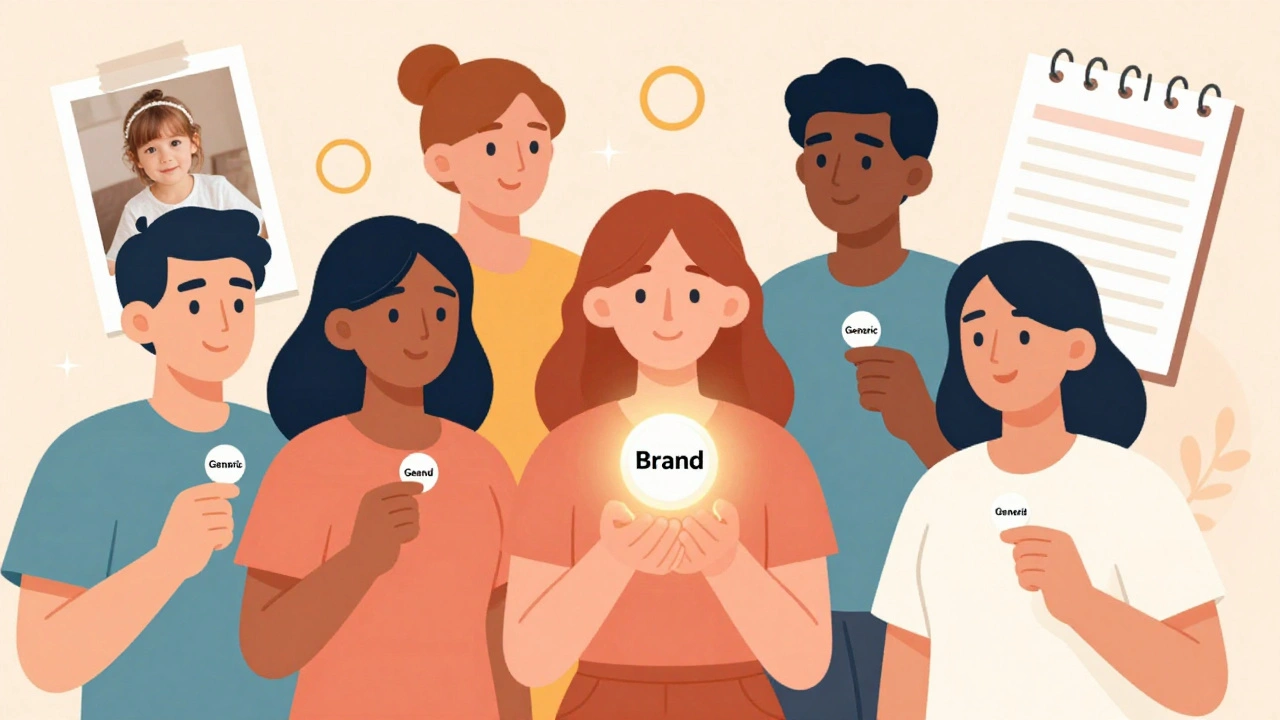
Why do so many people keep asking for the same brand-name pill, even when their doctor says a cheaper generic will do just as well? It’s not about science. It’s not about effectiveness. The active ingredient is the same. The FDA says so. But still, millions of people refuse to switch. They’ve tried the generic. They didn’t like how it made them feel. Or maybe they just don’t trust it. This isn’t irrational-it’s human.
It’s Not Just About the Drug, It’s About the Brand
Think about your favorite soda. You don’t drink it because it’s the only one with sugar and carbonation. You drink it because it feels right. You’ve had it since you were a kid. The bottle, the logo, the taste-it all connects to memory, comfort, safety. That’s exactly what’s happening with brand-name medications. Patients don’t just see a pill. They see a promise. A promise that this version, the one with the familiar name, won’t let them down. When someone’s been on the same blood pressure medication for years, and it’s kept them stable, they don’t want to risk changing anything-even if the science says they can. The brand becomes part of their health identity. A 2022 Fortune survey found that 62% of Gen Z patients trust brand-name drugs more for safety and quality. Even though generics are required to meet the same standards, 57% believe the brand works better. That’s not based on data. It’s based on perception. And perception drives behavior more than facts ever do.Doctors Are Human Too
It’s easy to blame patients. But doctors play a big role too. A 2023 GlobalData survey showed that 40% of physicians would prescribe a brand-name drug if cost didn’t matter. In Japan, that number jumps to 57%. In Spain and Italy, it’s over 45%. Why? Because they’ve seen what happens when patients switch. One psychiatrist in Durban told me about a patient who’d been on the same antidepressant for eight years. The generic version made her feel “dull,” like her emotions were muted. She went back to the brand. Her symptoms improved. Was it the drug? Or was it the psychological shift of going back to something familiar? The science can’t say for sure. But the patient felt better. And that matters. Studies show that physicians are more likely to stick with brand-name drugs for patients with chronic conditions-especially mental health, epilepsy, or heart disease. Why? Because the stakes feel higher. A small change in blood levels might not show up in a lab, but it can feel huge to the person taking the pill.The Cost Isn’t Just Money-It’s Peace of Mind
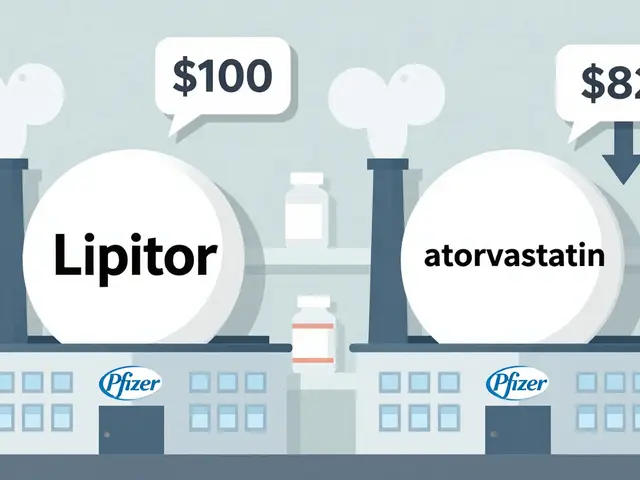
Brand-name drugs can cost up to 79% more than generics. In the U.S., generics make up 90% of prescriptions by volume-but only 22% of total spending. That gap tells you everything. People are paying more, not because they have to, but because they believe they should. Lower-income patients are actually more likely to stick with brands, even when it’s a financial strain. A 2023 PMC study found that people with less education were 1.54 times more likely to stay loyal to a brand, regardless of price. Why? Because they see medicine as something too important to gamble on. If they can’t afford the brand, they’ll skip doses. Or worse-they’ll take the generic and feel guilty about it. On Reddit, one user wrote: “I’ve tried three different generics of my antidepressant. Only the brand name works consistently.” That post got over 1,200 upvotes. Not because it’s scientifically accurate-but because so many people feel the same way.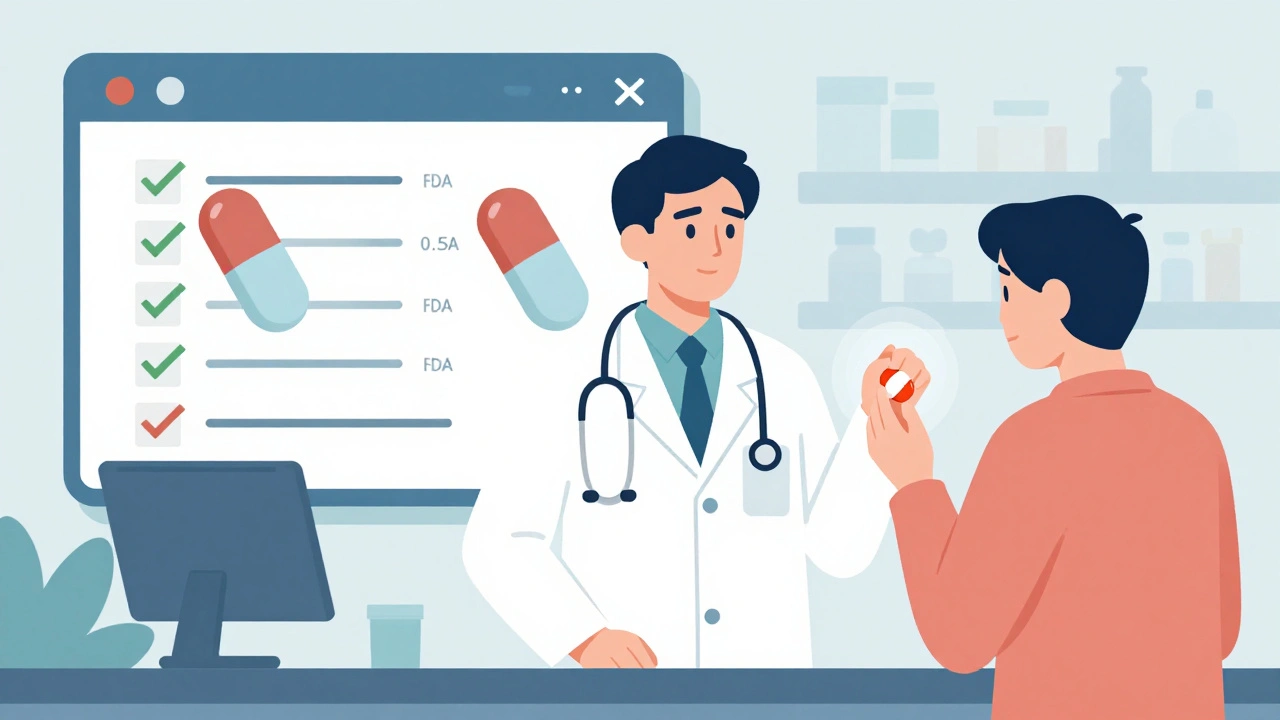
Why Some Medications Are More Trusted Than Others
Not all drugs have the same level of brand loyalty. Statins? Almost everyone uses generics. Antibiotics? Same thing. But psychiatric meds, epilepsy drugs, and blood thinners? That’s where loyalty runs deep. Why? Because the margin for error is tiny. A 5% difference in absorption might not matter for an antihistamine, but it could mean the difference between a seizure and a calm day. Patients aren’t being stubborn-they’re being cautious. And when you’re living with a condition that can flip your life upside down, caution makes sense. Even the FDA admits that while generics are bioequivalent, some patients report differences. In a Consumer Reports survey, 41% said they noticed a change in effectiveness after switching. The FDA says those changes are usually minor. But for the person who suddenly feels more anxious or dizzy? It’s not minor. It’s real.What Happens When You Try to Switch
Pharmacists are often the ones trying to get patients to switch. They’re trained to explain bioequivalence. They know the Orange Book ratings. They’ve seen the data. But here’s the problem: telling someone “it’s the same” doesn’t work. People don’t respond to facts-they respond to stories. One pharmacist in Cape Town told me she started showing patients a simple chart: “This is your brand. This is the generic. Same active ingredient. Same FDA approval. Same results in clinical trials.” She added a photo of the pill. Suddenly, it wasn’t abstract anymore. That approach increased generic acceptance by 32% in her clinic. Why? Because she made the invisible visible. She didn’t argue. She showed. Still, 43% of patients report anxiety about switching. And 8.7% of those actually stop taking the medication because of it. That’s not a small number. That’s a public health issue.



People just don’t get it. Generics are fine for antibiotics, sure. But when you’re on something that controls your mind? You don’t mess around. It’s not about trust in pharma-it’s about trust in your own stability.
From a pharmacoeconomic standpoint, the phenomenon of brand loyalty in chronic psychotropic regimens reflects a disconnect between bioequivalence benchmarks and patient-reported outcomes (PROs). The FDA’s 80–125% AUC/Cmax range may satisfy regulatory thresholds, but it fails to account for inter-individual pharmacokinetic variability, particularly in CYP450 polymorphic populations. Patients aren’t irrational-they’re optimizing for clinical homeostasis, not cost efficiency.
why do people think the blue pill is different from the white one?? they’re both the same chem stuff. i switched and felt fine. maybe people just want to feel special? or like they paid for something better? dumb.
Big Pharma plants these stories. They pay doctors. They pay patients to post online. They even design the pills to look different so you think they’re different. It’s all a scam. You’re being played.
Same thing in India. People pay 10x for brand. Even when generics are in every pharmacy. No one cares about science. Just name.
I’ve seen this with my mom-she’s been on the same brand of blood pressure med for 12 years. When her pharmacy switched her to generic, she got dizzy for three days. Not because the drug changed-but because her body had built a rhythm around that specific pill. The brand became part of her identity. Maybe we need to stop thinking of meds as commodities and start treating them like personal rituals. It’s not irrational. It’s human.
it’s kinda wild how a pill can feel like a friend 🤔 same chemical, different vibes. i get it. not judging. just observing.
What if the placebo effect isn’t a flaw in medicine-but its deepest truth? We don’t just treat bodies. We treat narratives. The brand-name pill carries a story: I am safe. I am cared for. I am not alone. When we strip away the logo, we don’t just remove a label-we unravel a covenant between patient and past. Maybe the real question isn’t why they won’t switch… but why we think they should.
In India, we call this ‘brand ka bharosa’-trust in the brand. It’s not ignorance. It’s cultural memory. A grandmother who survived a heart attack on a specific brand won’t let her son switch. It’s not about science. It’s about legacy. We must honor that. Not fight it.
my aunt switched to generic for her seizure med. had a bad week. went back. no drama. no shame. just… better. why is that so hard to accept?
Let’s stop pathologizing patient preference. When a person reports a meaningful difference in symptom control after switching, that’s not ‘irrational’-it’s data. Clinical trials measure averages. Real life is individual. We need systems that accommodate variability-not punish it. Empathy isn’t weakness. It’s precision medicine’s missing component.
They’re watching you… they know you switched… they’re testing you… the FDA doesn’t even test the fillers… the binders… the dyes… they don’t care… they just want you to take the cheap one… and then… you’ll be easier to control…