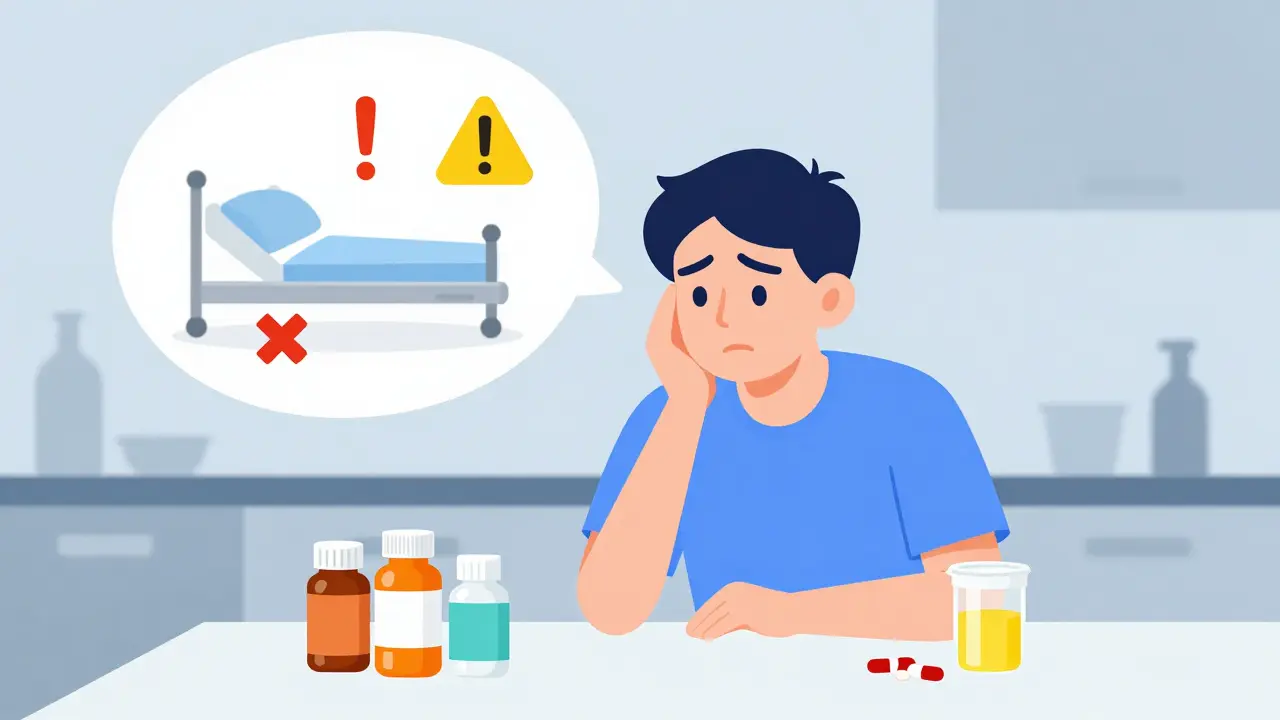
Every year, nearly 300,000 people in the United States are hospitalized because of problems with their medications. These aren't just minor side effects; they are serious injuries that could have been avoided. We call these incidents Adverse Drug Events, or ADEs. They represent one of the most significant threats to patient safety today, yet many remain hidden behind complex medical jargon.
You might think you know what an ADE is, but the definition goes deeper than a simple stomach ache after taking a pill. An ADE is any injury resulting from medical intervention related to a drug. This includes everything from accidental overdoses to allergic reactions and errors made by healthcare providers. Understanding exactly what constitutes an ADE, how it happens, and-most importantly-how to prevent it, is crucial for anyone managing their own health or caring for others.
What Exactly Is an Adverse Drug Event?
To grasp the scope of the problem, we need to clear up some confusion. Not every bad reaction to a medicine is an ADE. For example, if a chemotherapy drug causes hair loss as an expected side effect, that is not typically classified as an ADE in safety reporting unless it leads to severe, unintended harm. The Institute of Medicine’s landmark 2000 report, To Err Is Human, helped define this space by highlighting that medication errors cause at least 7,000 deaths annually in U.S. hospitals alone.
The Patient Safety Network (PSNet) clarifies that an ADE is specifically "harm experienced by a patient as a result of exposure to a medication." This distinction matters. It means that if a doctor prescribes the wrong dose, and you get sick, that’s an ADE. If you take the correct dose but your body reacts unpredictably due to a rare genetic trait, that’s also an ADE. The common thread is unintended harm.
Why does this matter to you? Because ADEs account for approximately 1 million emergency department visits and 3.5 million physician office visits every year in the U.S. That’s a massive burden on individuals and the healthcare system. Recognizing an ADE early can turn a hospitalization into a manageable situation.
The Main Types of Adverse Drug Events
ADEs don’t all look the same. They fall into several distinct categories, each with its own warning signs. Knowing these types helps you spot trouble before it escalates.
- Adverse Drug Reactions (ADRs): These are unintended pharmacological responses at normal doses. StatPearls categorizes these further. Type A reactions are dose-dependent and predictable, like bleeding when taking too much blood thinner. They make up about 80% of all ADRs. Type B reactions are unpredictable and idiosyncratic, such as a sudden severe allergy to a penicillin-based antibiotic.
- Medication Errors: These are preventable mistakes in prescribing, dispensing, or administering drugs. For instance, a pharmacist might accidentally hand you a similar-looking pill with a different strength. Or a nurse might administer an IV drip too quickly.
- Drug-Drug Interactions: When two medicines fight each other in your body, efficacy drops or toxicity rises. For example, mixing certain statins with grapefruit juice can dangerously increase drug levels in the blood.
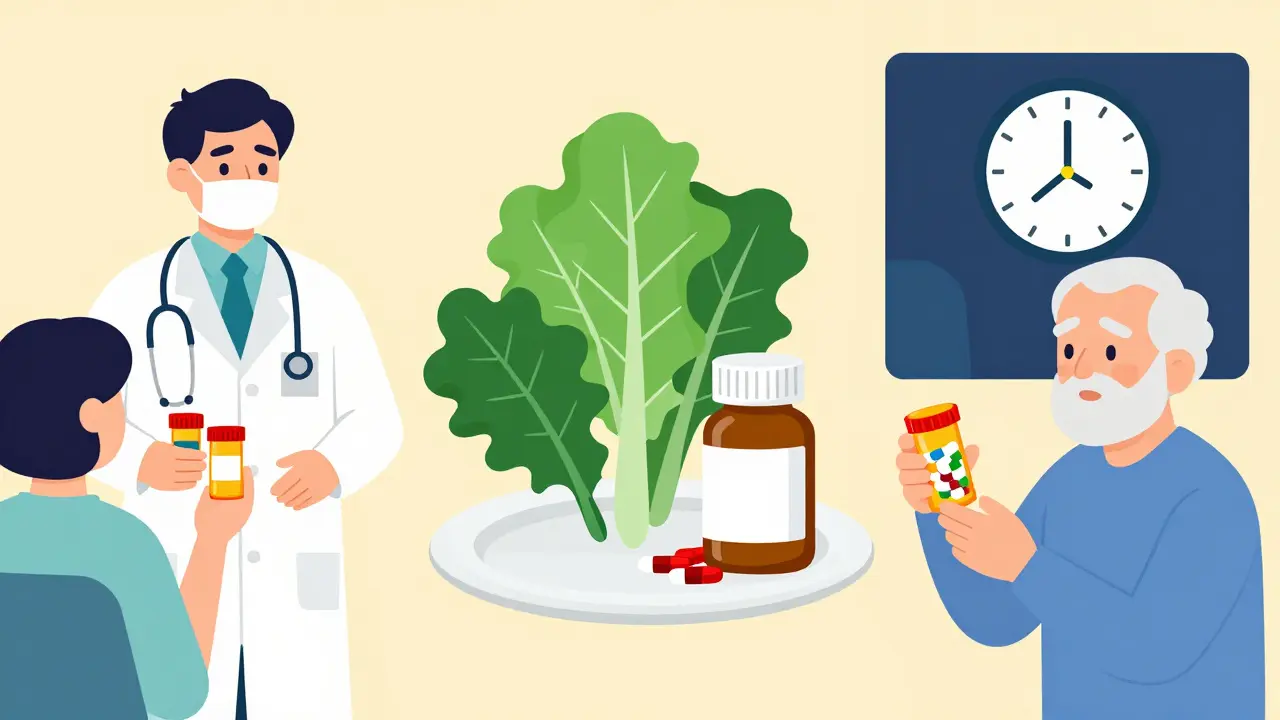
- Drug-Food Interactions: Similar to drug-drug interactions, but involving dietary components. Vitamin K-rich foods like kale can interfere with warfarin, a common blood thinner.
- Overdoses: These can be intentional or accidental. Accidental overdoses often happen when patients double up on doses because they forgot whether they took their morning pill.
The Department of Health and Human Services (HHS) identified three high-impact categories that cause the most harm: bleeding events from anticoagulants, hypoglycemia from diabetes agents, and oversedation from opioids. Together, these account for a staggering portion of medication-related deaths and hospitalizations.
High-Risk Medications: What to Watch For
Not all drugs carry the same risk. Some medications have a narrow therapeutic index, meaning the difference between a helpful dose and a harmful dose is tiny. These require extra vigilance.
| Medication Class | Primary Risk | Key Warning Signs | Prevention Focus |
|---|---|---|---|
| Anticoagulants (e.g., Warfarin) | Bleeding events | Unusual bruising, nosebleeds, dark stools | Regular INR monitoring |
| Insulin and Diabetes Agents | Hypoglycemia (low blood sugar) | Shakiness, confusion, sweating, dizziness | Dose adjustment with meals |
| Opioids | Oversedation, respiratory depression | Extreme drowsiness, slow breathing | Pain management alternatives |
| Chemotherapy Drugs | Toxicity, immune suppression | Fever, severe fatigue, infection | Blood count monitoring |
Warfarin, for example, remains the single most common medication causing ADE-related hospital admissions. About 33,000 emergency department visits annually are linked to inadequate INR monitoring. If your INR (a measure of how long it takes your blood to clot) falls outside the target range, you’re either at risk of clotting or bleeding out. Regular testing isn’t optional here; it’s life-saving.
For diabetics, insulin-related hypoglycemia affects over 100,000 people annually in ERs. Sixty percent of these cases involve patients over 65. The risk spikes when meal times change or exercise routines shift without adjusting the insulin dose.
Evidence-Based Prevention Strategies
The good news? Nearly 50% of ADEs are preventable. The World Health Organization’s “Medication Without Harm” challenge aims to reduce severe, avoidable medication-related harm by 50% globally. Here’s how you can contribute to that goal, whether you’re a patient or a caregiver.
- Maintain a Master Medication List: Keep a written list of every drug, supplement, and over-the-counter product you take. Update it immediately when changes occur. Studies show that thorough medication list reviews reduce ADE risk by 30%. Share this list with every doctor and pharmacist you see.
- Practice Medication Reconciliation: This is the process of comparing your current meds against your new prescription list during transitions of care, like being discharged from the hospital. Formal reconciliation processes have been shown to reduce post-discharge ADEs by 47%. Don’t assume the hospital knows what you’re already taking.
- Use Technology Wisely: Electronic prescribing systems reduce error rates by 48% compared to handwritten scripts. Ask your provider if they use e-prescribing. Additionally, apps that remind you to take meds can prevent accidental overdoses or missed doses.
- Engage in Medication Therapy Management (MTM): Pharmacists are experts in drug interactions. MTM services conducted by pharmacists identify and resolve an average of 4.2 medication problems per patient. This service reduces overall ADE risk by 32%. Many insurance plans cover MTM visits.
- Monitor for Interactions: Use reliable tools like Lexicomp or consult your pharmacist to check for drug-drug and drug-food interactions. About 15% of prescriptions involve high-risk interactions that automated tools can flag.
Deprescribing is another critical strategy, especially for older adults. The Veterans Affairs Center for Medication Safety found that structured deprescribing protocols reduced anticholinergic-related ADEs by 40% in elderly patients. If you’ve been on a medication for years, ask your doctor: “Is this still necessary?”
The Role of Healthcare Professionals
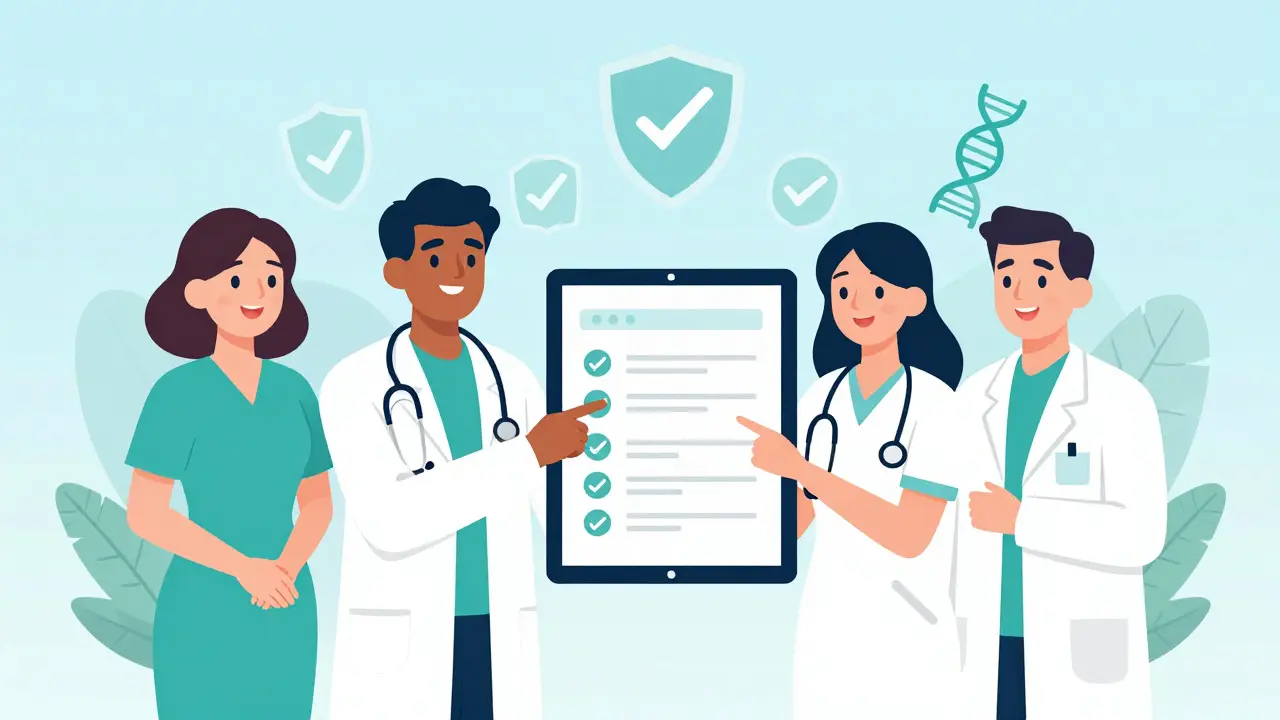
Prevention isn’t just on you. Healthcare teams play a pivotal role. Dr. Sharmeen Roy, PharmD, BCPS, notes that pharmacists should utilize Medication Intelligence for Precision Dosing (MIPD) tools to optimize therapy. These tools analyze individual patient data to tailor doses, reducing the guesswork.
Interdisciplinary collaboration is key. When pharmacists are involved in collecting medication histories, allergy documentation accuracy improves by 40%, and duplicate therapy drops by 25%. In anticoagulation clinics led by pharmacists, major bleeding events are reduced by 60% compared to usual care.
Hospitals are also incentivized to improve safety. The Centers for Medicare & Medicaid Services (CMS) penalize hospitals in the worst quartile for ADEs through the Hospital-Acquired Condition Reduction Program. This financial pressure drives institutions to adopt better protocols, like standardized antibiotic stewardship programs.
Future Trends: AI and Personalized Medicine
We’re entering a new era of ADE prevention. Artificial intelligence-driven predictive analytics are becoming the next frontier. Pilot programs at Johns Hopkins Hospital used machine learning algorithms to analyze over 50 patient variables, predicting individual ADE risk and reducing incidents by 17%.
Pharmacogenomic testing is also expanding. Currently adopted in only 5% of cases, it’s expected to reach 30% by 2027. This testing looks at your DNA to determine how you metabolize specific drugs. For example, knowing your genotype can prevent adverse reactions to clopidogrel (Plavix), reducing related ADEs by 35%. This personalized approach moves us away from trial-and-error prescribing toward precision medicine.
However, challenges remain. Only 45% of U.S. hospitals have fully integrated clinical decision support for high-risk medications into their electronic health records. And despite guidelines like the Beers Criteria, only 15% of primary care providers routinely screen for potentially inappropriate medications in elderly patients. Bridging this gap requires continued education and systemic change.
Conclusion: Taking Control of Your Medication Safety
Adverse Drug Events are a leading cause of morbidity and mortality, but they are largely preventable. By understanding the definitions, recognizing the types, and employing proven strategies like medication reconciliation and regular pharmacist consultations, you can significantly lower your risk. Stay informed, stay proactive, and never hesitate to ask questions about your prescriptions. Your health depends on it.
What is the difference between an adverse drug reaction and an adverse drug event?
An adverse drug reaction (ADR) is a specific type of adverse drug event (ADE). An ADR is an unintended pharmacological response to a medication at normal doses. An ADE is a broader term that includes ADRs plus harm caused by medication errors, overdoses, and allergic reactions. All ADRs are ADEs, but not all ADEs are ADRs.
How common are adverse drug events in the United States?
ADEs are very common. They contribute to approximately 3.5 million physician office visits, 1 million emergency department visits, and 125,000 hospital admissions annually in the U.S. They are a leading cause of preventable hospitalizations.
Can adverse drug events be prevented?
Yes, nearly 50% of ADEs are preventable. Strategies include maintaining an accurate medication list, practicing medication reconciliation during care transitions, using electronic prescribing, consulting pharmacists for therapy management, and monitoring for drug interactions.
What are the highest-risk medications for causing ADEs?
The highest-risk classes include anticoagulants (like warfarin), which cause bleeding events; diabetes agents (like insulin), which cause hypoglycemia; and opioids, which cause oversedation and respiratory depression. Chemotherapy drugs also carry high risks due to their toxicity.
How can I protect myself from drug interactions?
Always provide your doctors and pharmacists with a complete list of all medications, supplements, and over-the-counter drugs you take. Use reputable online interaction checkers or ask your pharmacist specifically about potential interactions before starting a new medication.
What is medication reconciliation?
Medication reconciliation is the process of creating an accurate list of all medications a patient is taking and comparing it to the new prescription orders during transitions of care, such as hospital admission or discharge. This process reduces post-discharge ADEs by up to 47%.
Does age increase the risk of adverse drug events?
Yes, older adults are at higher risk. They often take multiple medications (polypharmacy), have altered metabolism, and may have kidney or liver issues that affect drug clearance. Deprescribing unnecessary medications is a key prevention strategy for this group.
How does technology help prevent ADEs?
Technology helps through electronic prescribing (reducing handwriting errors), clinical decision support systems (flagging interactions), and AI-driven predictive analytics (identifying high-risk patients). Barcode scanning in hospitals also ensures the right patient gets the right drug.


Wow, this is super helpful info! 🌟 I always forget to update my med list when I see a new doctor. Gonna start doing that right away! 💊✨
The pharmaceutical industry wants you to think these 'errors' are accidental. They are not. The FDA and Big Pharma have a vested interest in keeping you dependent on their toxic sludge while blaming 'human error' for the deaths. It is a calculated system of control designed to maximize profit at the expense of human life. You are being lied to by the very institutions supposed to protect you. :O
Oh, look at Danny S again with his tin foil hat theory. 🙄 Meanwhile, actual pharmacists are working hard to save lives using evidence-based protocols. Maybe if you spent less time imagining shadowy conspiracies and more time reading your prescription labels, you wouldn't be so confused. But sure, blame the 'system' instead of taking personal responsibility. 😂💉
The nature of harm is often obscured by the language we use to describe it. When we label an event as 'adverse,' we create a dichotomy between intended and unintended consequences, yet in the grand tapestry of existence, all outcomes are interconnected. The pill that heals one may poison another; the error is not in the drug, but in our hubris to believe we can control biology with such precision. We are but guests in the body's temple, and sometimes the host reacts violently to our intrusion. 🕯️📚
Hey folks, just wanted to say this post is really easy to understand. It helps us all stay safe. If you take lots of meds, please talk to your pharmacist. They can help you check if things mix bad. It is simple and good for everyone. 👍
As a healthcare professional, I appreciate this comprehensive overview. However, I must note that electronic prescribing systems, while reducing handwriting errors, introduce new risks related to alert fatigue and copy-paste errors in EHRs. It is crucial that clinicians remain vigilant and do not rely solely on technology. Regular training and interdisciplinary collaboration are essential for true safety. Also, typo here: 'medication' not 'medacation'. Sorry! 🏥💻
There is a profound optimism in knowing that nearly half of these events are preventable. It suggests that we hold power over our own well-being through awareness and action. By embracing these strategies, we move from passive recipients of care to active participants in our health journey. This shift empowers us to create a future where safety is not just a goal, but a reality. Let us strive for that brighter tomorrow together. ☀️🌱
I completely agree with the points raised about medication reconciliation, and I think it is so important for patients to advocate for themselves during transitions of care because there are so many opportunities for errors to slip through the cracks when information is not communicated clearly between different providers who may not have access to the same records or who might assume that someone else has already verified the accuracy of the current medication list which can lead to dangerous duplications or omissions that could seriously harm the patient if not caught early enough by a vigilant team member who takes the time to double-check everything carefully before finalizing any orders or discharge instructions. 🗣️📝
i live in a place where pharmacists arent really involved in care like that here... its mostly just handing out pills. would love to see mtm become more common tho! also grapefruit juice with statins? never knew that!! thanks for sharing 🍊😲
boring.
It is imperative that individuals recognize the significance of maintaining an accurate medication inventory. The failure to do so constitutes a dereliction of duty towards one’s own health management. Furthermore, the reliance on informal advice rather than professional consultation is inadvisable. One must adhere strictly to prescribed protocols and engage in regular dialogue with qualified medical personnel to mitigate the risks associated with adverse drug events. This approach ensures optimal safety and efficacy in therapeutic interventions. 📋✅