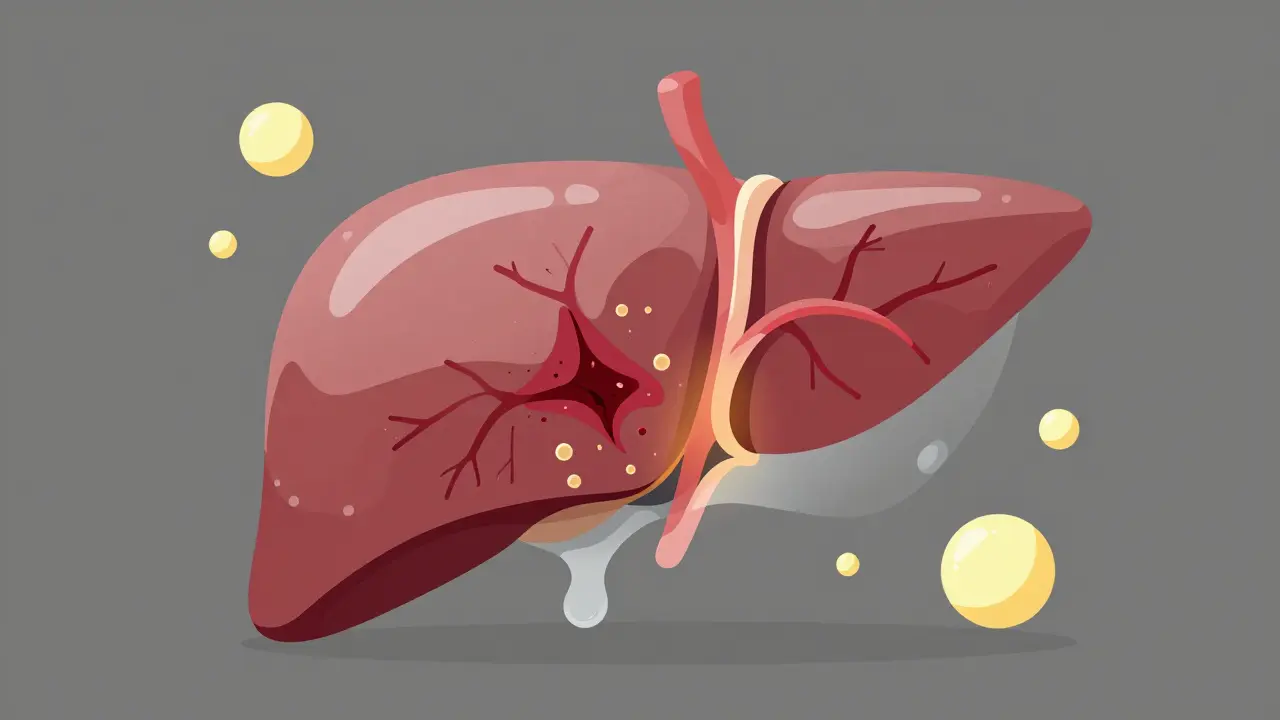
When your liver gets damaged over years-whether from alcohol, hepatitis, or fatty liver disease-it doesn’t heal the way skin or bone does. Instead, it builds scar tissue. That scar doesn’t just sit there. It twists, hardens, and blocks blood flow. This is cirrhosis. It’s not a single disease. It’s the end result of long-term liver damage. And once it sets in, the damage is permanent. But that doesn’t mean nothing can be done. In fact, how you manage cirrhosis can mean the difference between living at home with some discomfort and ending up in the hospital, on a transplant list, or worse.
What Happens When the Liver Turns to Scar
The liver is one of the most resilient organs in your body. It filters toxins, makes proteins, stores energy, and helps digest food. But when it’s under constant attack-say, from years of heavy drinking, untreated hepatitis C, or metabolic syndrome-it starts to respond the only way it can: by replacing healthy cells with fibrous scar tissue. This process is called fibrosis. When fibrosis spreads and distorts the liver’s structure, it becomes cirrhosis.
Think of it like a sponge that’s been soaked in glue. The original shape is still there, but the holes are filled in. Blood can’t flow through easily. Toxins build up. Fluid leaks out. That’s when symptoms start showing up.
Early signs are easy to miss. Fatigue? Sure, everyone gets tired. Unintentional weight loss? Maybe you’re just eating less. But when bruising happens with little to no bump, or your ankles swell without reason, it’s time to look closer. By the time jaundice (yellow skin or eyes) appears, the liver is already struggling hard.
Doctors use two main tools to measure how far cirrhosis has progressed: the Child-Pugh score and the MELD score. Child-Pugh looks at five things-bilirubin, albumin, INR, ascites, and brain fog (encephalopathy). A score of 5-6 means you’re in Class A-your liver is still doing okay. A score of 10-15? That’s Class C. Only about 45 out of 100 people in this group survive a year without a transplant.
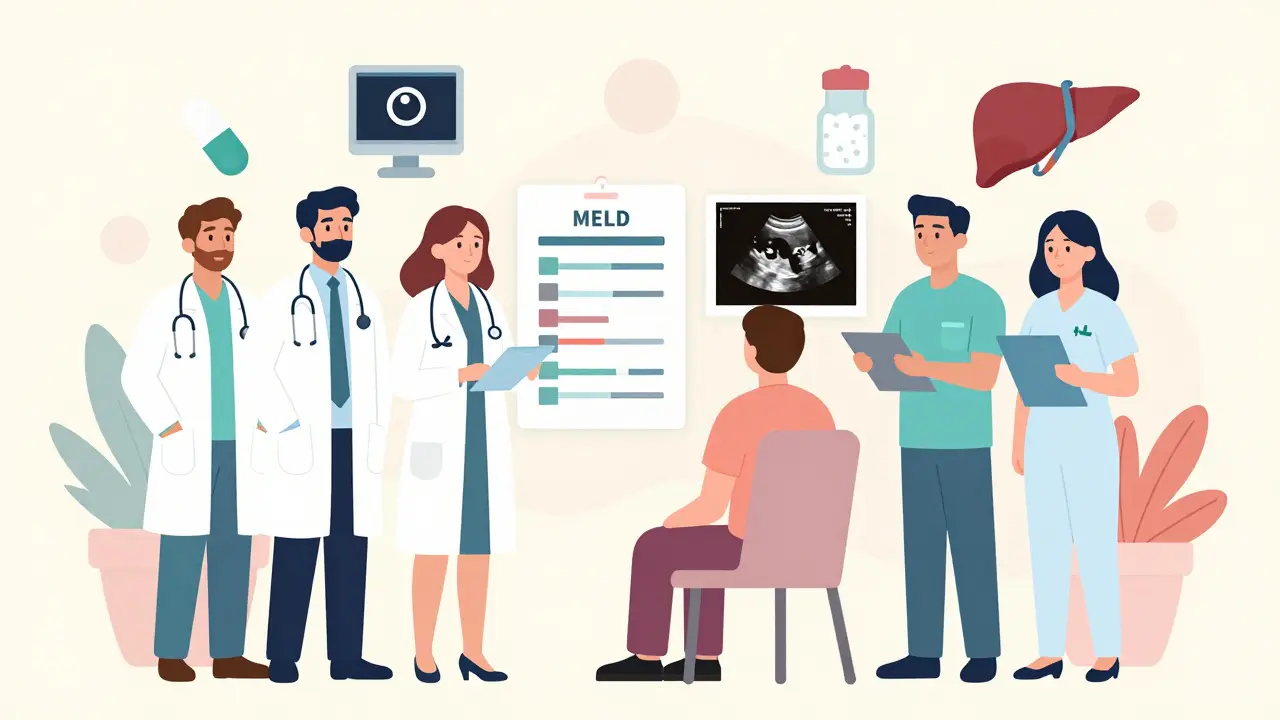
MELD is even more precise. It’s based on three blood tests: creatinine, bilirubin, and INR. A MELD score above 15 means you’re at serious risk. It’s also what hospitals use to prioritize who gets a liver transplant. Higher score = higher priority.
The Big Five Complications
Cirrhosis doesn’t just make you feel bad. It triggers a cascade of life-threatening problems. Here are the five most common ones-and what they mean for you.
1. Ascites: Fluid in the Belly
When blood flow through the liver slows down, pressure builds up in the portal vein. This is called portal hypertension. It’s like a kinked garden hose. Fluid leaks out of the blood vessels into the abdomen. That’s ascites.
About half of all people with cirrhosis will develop ascites within 10 years. It can be mild-just a feeling of fullness-or severe, making it hard to breathe or walk.
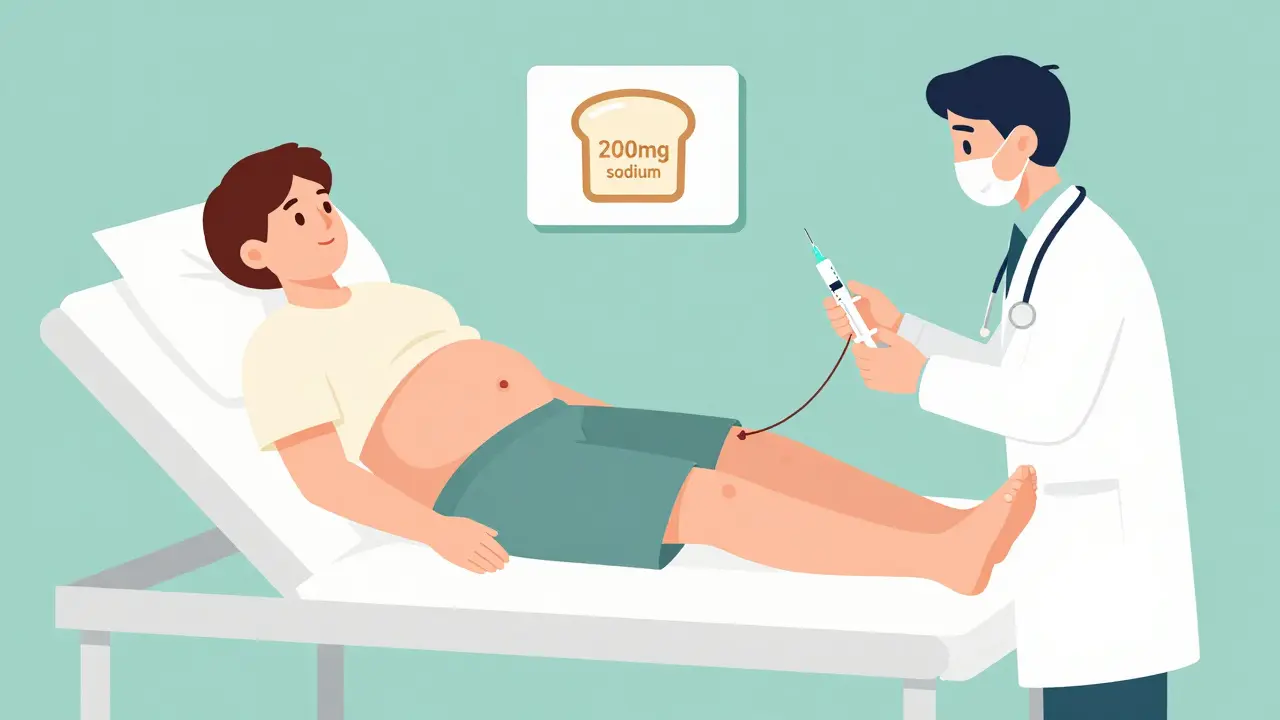
First-line treatment? Cut salt. Less than 2 grams a day. That’s harder than it sounds. A single slice of bread can have 200 mg. Most processed foods are loaded. Then come diuretics: spironolactone (100 mg daily) and sometimes furosemide (40 mg). These help flush out fluid. Most people respond well at first.
But 1 in 10 develop refractory ascites-fluid that won’t go away with meds. Then comes paracentesis: a needle drains the fluid directly from the belly. In the U.S., this is done over 16,000 times a year. And here’s the catch: draining too much fluid without giving back albumin (a protein) can cause a dangerous drop in blood pressure. Giving 6-8 grams of albumin per liter of fluid removed cuts that risk from 37% to just 10%.
2. Spontaneous Bacterial Peritonitis (SBP)
Ascites isn’t just uncomfortable-it’s a breeding ground for infection. When bacteria from the gut slip into the fluid, you get SBP. It’s not from an injury or surgery. It just happens. And it’s deadly.
Between 10% and 30% of people with ascites get SBP. Mortality? 20-40% during the first hospital stay. That’s why doctors give antibiotics like norfloxacin or ciprofloxacin to anyone with ascites as a preventive measure. If you’re hospitalized for ascites, you’ll likely get a shot of antibiotics even if you don’t feel sick.
3. Variceal Bleeding
Portal hypertension doesn’t just cause ascites. It also makes veins in the esophagus and stomach swell up-like twisted garden hoses. These are varices. And they’re fragile. A small bump, a cough, even a hard bowel movement can rupture one.
One in three people with cirrhosis will have varices. And 15-20% of those who bleed from them die before they even reach the hospital.
Prevention is key. Non-selective beta-blockers like propranolol or nadolol reduce pressure in the portal vein by 20-30%. Carvedilol works even better-it drops pressure by 12% compared to 7% with propranolol. If varices are found during an endoscopy, doctors may place rubber bands around them (band ligation) to prevent rupture. This reduces bleeding risk by 60%.
But if you’ve bled once, your chance of bleeding again within a year is 60%-unless you’re on long-term beta-blockers. That’s why once you’ve had one episode, you’re usually on these meds for life.
4. Hepatic Encephalopathy
Your liver filters ammonia-a waste product from protein digestion. When it fails, ammonia builds up in your blood and crosses into your brain. This causes hepatic encephalopathy: confusion, forgetfulness, slurred speech, even coma.
It affects 30-45% of people with decompensated cirrhosis. Many describe it as "brain fog"-a constant mental haze that makes driving, working, or even holding a conversation hard.
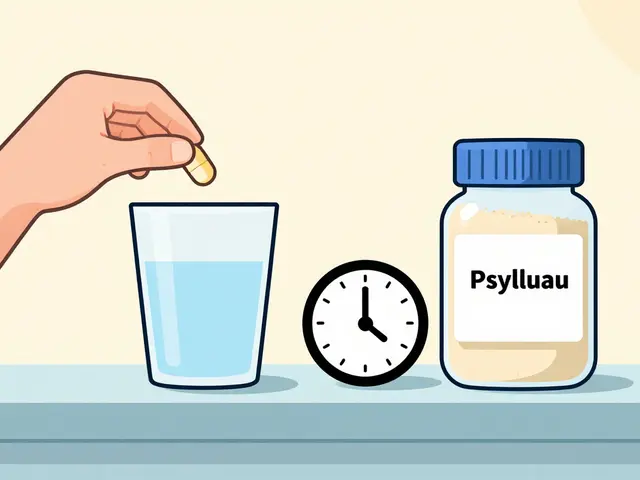
Lactulose is the go-to treatment. It’s a syrup that draws ammonia into the colon and out through bowel movements. Most people take 15-30 mL, three times a day. It works. Studies show it cuts recurrence by half. But the side effect? Constant diarrhea. One Reddit user said, "I’ve missed 12 family events this year." It’s not just inconvenient-it’s isolating.
Rifaximin, an antibiotic that doesn’t get absorbed into the bloodstream, is now used for recurrent cases. It reduces hospitalizations by 58% compared to placebo. It’s expensive-$1,200 a month without insurance-but for many, it’s worth it.
5. Liver Cancer (Hepatocellular Carcinoma)
Cirrhosis is the #1 risk factor for liver cancer. About 2-8% of people with cirrhosis develop it each year. That’s why every person with cirrhosis should get an ultrasound every six months. It’s simple. It’s painless. And it saves lives.
When caught early-before it spreads-tumors can be removed, burned with heat (ablation), or treated with targeted drugs. In screened patients, 70% are caught at the earliest stage (BCLC 0 or A). Without screening? Only 30% are caught early. That difference can mean the difference between living five more years and dying within months.
Managing Cirrhosis: What Actually Works
Cirrhosis isn’t curable-but it can be managed. And how you manage it makes a huge difference.
First: find out what caused it. If it’s alcohol, stop completely. No exceptions. Even small amounts can keep the damage going. If it’s hepatitis C, you can be cured with direct-acting antivirals like glecaprevir/pibrentasvir. Cure rates? 95% in compensated cirrhosis. That’s huge. It doesn’t reverse scarring, but it stops the bleeding.
If it’s MASH (metabolic dysfunction-associated steatohepatitis, formerly called NASH), the new drug resmetirom (Rezdiffra) was approved in March 2024. In trials, it reduced liver fibrosis in over 22% of patients after one year. It’s not a cure, but it’s the first drug shown to slow progression.
Second: get regular monitoring. Compensated cirrhosis? See your hepatologist every 3 months. Decompensated? Every month. That’s not overkill-it’s survival. These visits include blood tests, ultrasounds, and checking for new symptoms.
Third: build a team. A hepatologist alone isn’t enough. You need a dietitian to help you stick to a 2g sodium diet. A social worker to help with transplant paperwork. An addiction specialist if alcohol is involved. A nurse practitioner who calls you weekly to check your weight. Studies show this kind of team cuts ER visits by 40% and improves medication adherence from 62% to 85%.
The Hard Truth About Transplants
For many, a liver transplant is the only long-term solution. But it’s not simple.
In 2022, there were 8,391 liver transplants in the U.S.-but 11,346 people were on the waiting list. That means about 12% of people die waiting. The MELD score used to be everything. But now, the system has changed. Since February 2024, transplant centers can consider quality of life, not just lab numbers. Someone with severe brain fog and frequent hospitalizations might get priority even if their MELD score is lower than someone else’s.
Still, the wait is long. And the cost? Around $812,000. Medicare covers 80%. But the rest? It’s a financial mountain. Many people lose their jobs trying to manage this disease. Others can’t afford the monthly cost of rifaximin or the travel needed for transplant evaluations.
And here’s the uncomfortable truth: some patients with recurrent encephalopathy have lower MELD scores but worse outcomes. Their quality of life is terrible. They’re often overlooked. New research is pushing for a more human-centered approach-not just numbers.
What’s Next? Hope on the Horizon
The field is moving fast. In 2024, an AI tool called CirrhoPredict was shown to predict who will decompensate in the next 90 days with 88% accuracy-using just routine blood tests. Imagine getting a warning before you’re hospitalized.
And then there’s the research. Drugs targeting fibrosis-like galectin-3 inhibitors-are showing promise in early trials. One study showed 18% reduction in liver scarring. By 2030, experts believe we may have therapies that can reverse early cirrhosis in 40% of patients.
For now, though, the best thing you can do is this: know your score. Know your risks. Take your meds. Cut the salt. Avoid alcohol. Get screened. And don’t wait until you’re in the ER to act. The liver doesn’t scream until it’s too late. You have to listen before it’s silent.





Cirrhosis isn't permanent damage? Lol. Liver cells regenerate. Scar tissue doesn't. You can't un-scar a liver. That's biology 101. Stop pretending we can reverse it. We manage. We don't fix. And yes, I've read the papers. The 2030 fibrosis reversal claims? Phase 1. In mice. Don't get your hopes up.
They don't want you to know this but the real cause of cirrhosis isn't alcohol or hepatitis. It's glyphosate. The EPA knows. The FDA knows. They're suppressing the data because Big Pharma makes billions off transplant drugs. Rifaximin? It's just a band-aid. The real cure? Organic diet. No processed food. No vaccines. No sodium. Your liver was fine until the chemicals got in. I've been off wheat for 3 years. My enzymes are normal. They just don't tell you this.
America's got the best liver care in the world. Period. If you can't afford rifaximin or a transplant then maybe you shouldn't have gotten drunk for 20 years. Stop whining. We spend 500 billion on healthcare and you think you deserve a free liver? Get a job. Stop eating carbs. Quit drinking. Simple. No magic drugs. No pity. Just responsibility. The liver doesn't care about your feelings.
Ascites. Varices. Encephalopathy. SBP. HCC. Five complications. Five ways to die. And yet, the article says ‘you can manage.’ Manage? No. Survive. Barely. Every day. With diuretics. With lactulose. With band ligation. With monthly ultrasounds. With a social worker. With a nurse calling. With a transplant list. With debt. With isolation. This isn’t management. It’s endurance.
Man. I read this whole thing. And I’m not even a med student. Just someone who lost his uncle to this. The part about the team? That’s the golden nugget. One nurse calling weekly? That’s what kept him alive. Not the meds. Not the diet. The human connection. Someone checking if he ate. If he took his pills. If he was hallucinating. That’s what saved him. Not the science. The care.
I’ve been living with compensated cirrhosis for seven years now. I was diagnosed after a routine blood test that showed elevated ALT. I didn’t feel sick. I thought I was fine. But the truth is, cirrhosis doesn’t announce itself. It creeps. I started with fatigue. Then I noticed my ankles swelling. I thought it was just standing too long at work. Then came the bruising. A paper cut on my arm turned into a purple blotch. That’s when I went back. My MELD was 11. I’m on propranolol. I eat less than 1.5g of sodium a day. I avoid NSAIDs. I get ultrasounds every six months. I have a hepatologist, a dietitian, and a therapist. I don’t drink. I don’t smoke. I don’t take supplements. I’ve learned to live with the fear. But I’m still here. And I’m not giving up. The liver doesn’t heal, but you can still live. It just takes discipline. And support. And a lot of patience.
so i read this whole thing and honestly? the part about albumin during paracentesis? that's wild. i had a cousin who had ascites and they drained like 5 liters and he went into shock. no albumin. no warning. just 'we're gonna drain it' and then he was in ICU. why isn't this standard everywhere? also i'm from ireland and we don't even have a national liver transplant program. you have to go to the uk. and the wait? 18 months. if you're not in class c you're basically forgotten. this system is broken. but hey. at least we have the NHS. right?
In India, we don't have access to rifaximin. Or even spironolactone in rural areas. My brother has cirrhosis from hepatitis B. He’s on generic antivirals. We do monthly ultrasounds. But we can't afford the 2g sodium diet. Rice is our staple. Salt is cheap. Protein? We eat lentils. No processed food. No bread. No cheese. We make do. I read about transplant lists. I cry. But we keep going. The liver doesn't ask for money. It just needs care. And we give it. Even if it's imperfect. Even if it's quiet. Even if no one is watching.