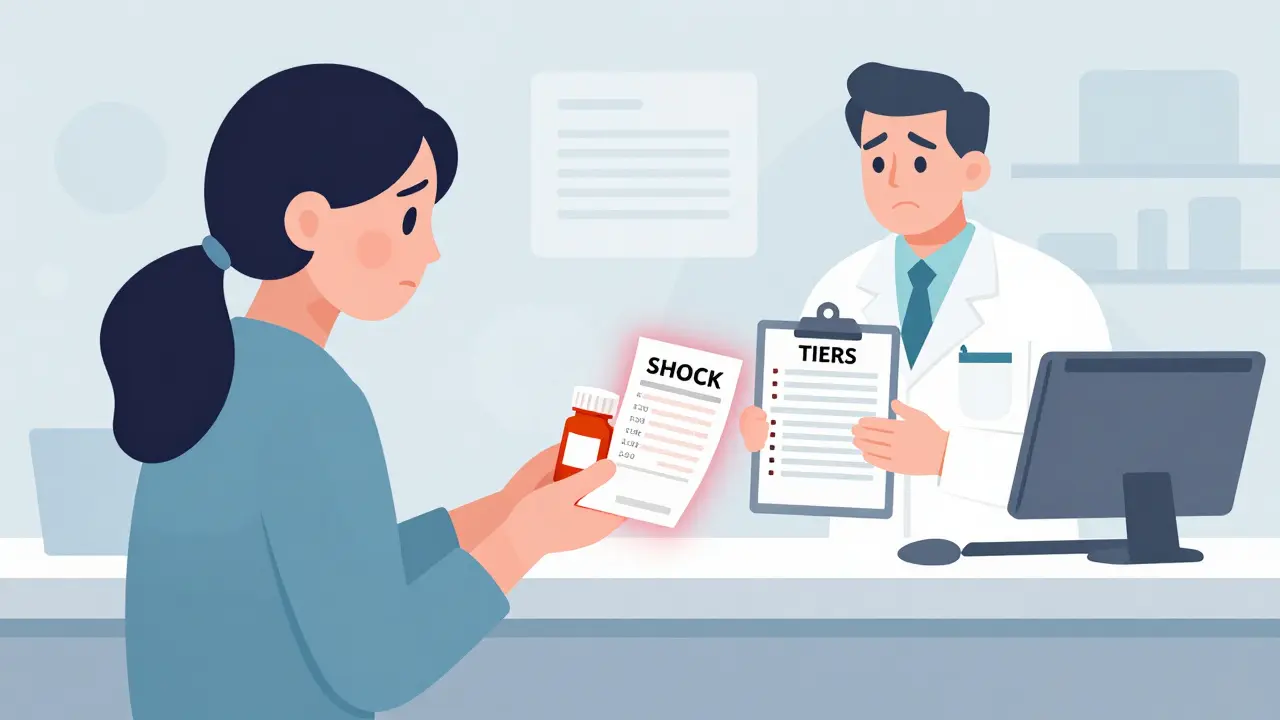
Imagine you’ve been taking the same medication for years. It works. You’re comfortable with it. Then, one month, your bill triples. Or worse, the pharmacist hands you a different pill than what your doctor prescribed. This isn’t a glitch; it’s how insurance formularies work.
A formulary is simply the list of drugs your health plan agrees to cover. It is not static. Insurance companies update these lists constantly based on cost negotiations, new medical evidence, and regulatory changes. If your medication moves from a "preferred" tier to a "non-preferred" tier, or gets dropped entirely, your out-of-pocket costs can skyrocket overnight. Understanding this system is the only way to protect your wallet and your health.
How Formulary Tiers Dictate Your Costs
Most insurance plans organize their formularies into tiers. Think of these as price brackets. The tier determines how much you pay at the pharmacy counter. While exact amounts vary by plan, the structure generally follows four levels.
| Tier | Drug Type | Typical Copay | Patient Impact |
|---|---|---|---|
| Tier 1 | Generic Drugs | $10 - $15 | Lowest cost; highly accessible |
| Tier 2 | Preferred Brand-Name | $40 - $50 | Moderate cost; insurer negotiated better rates |
| Tier 3 | Non-Preferred Brand-Name | $70 - $100+ | Higher cost; less leverage for insurer |
| Tier 4 | Specialty Drugs | Coinsurance (e.g., 33%) | Highest cost; often thousands per year |
Here is the catch: the same drug can sit in Tier 2 on one plan and Tier 3 on another. In 2022, analysis showed this discrepancy could cost patients an extra $30 to $60 per prescription. If you take multiple medications, those small differences add up to hundreds of dollars annually. Always check where your specific meds land before signing up for a plan.
The Hidden Rules: Prior Auth and Step Therapy
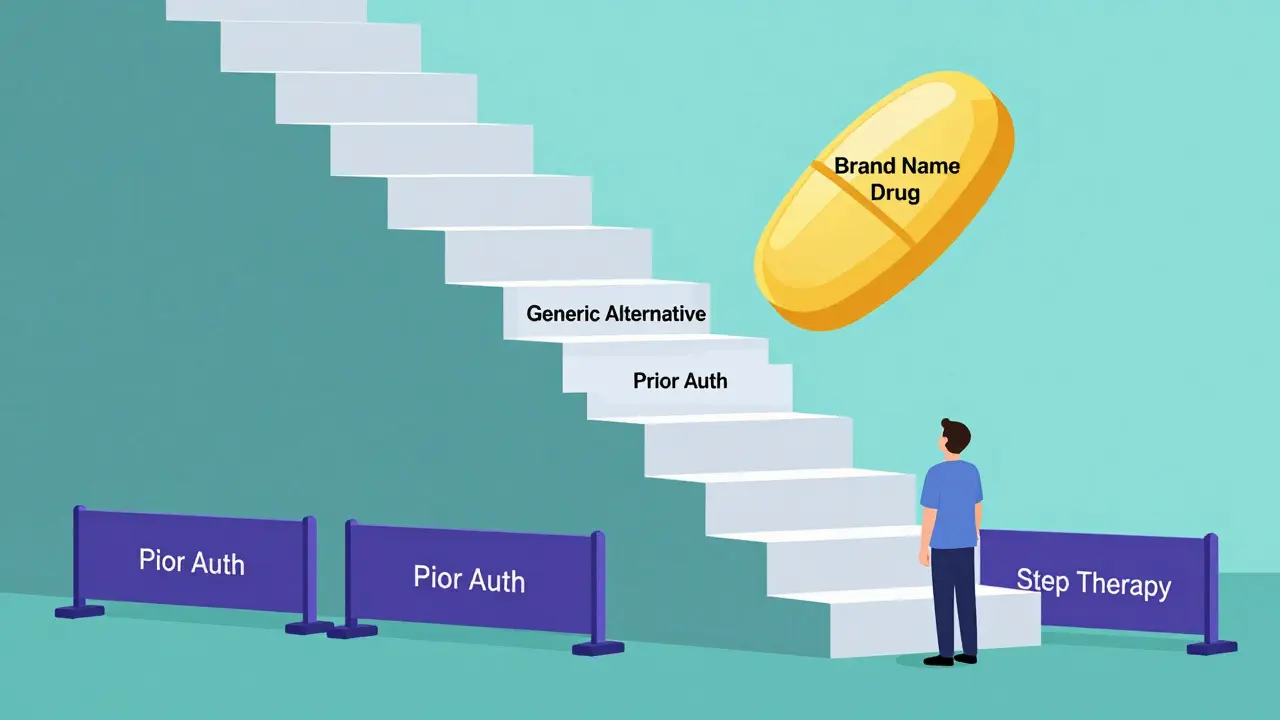
Being on the formulary doesn’t guarantee immediate access. Insurers use two main tools to control usage: Prior Authorization and Step Therapy.
Prior Authorization (PA) means your doctor must get permission from the insurer before they will cover the drug. They need to prove why you need this specific medication. According to the American Medical Association, 82% of physicians face delays with PAs. These aren’t just administrative annoyances; 34% of doctors report that PA delays have caused serious adverse events for patients who couldn’t get their meds in time.
Step Therapy forces you to try cheaper alternatives first. If you need a brand-name arthritis drug, the insurer might say, “Try the generic version first.” If that fails after three months, then they’ll cover the brand name. This saves the insurer money but can leave you suffering through ineffective treatments while waiting for approval.
Understanding Drug Substitution Laws
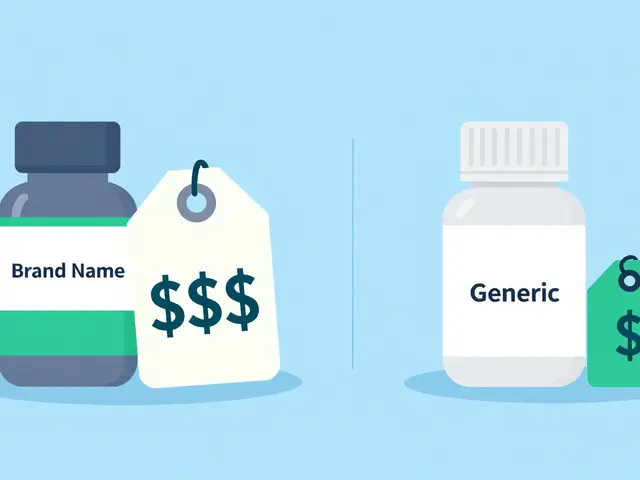
This is where things get tricky. Have you ever asked for Brand X and received Generic Y? That’s therapeutic substitution. In many states, pharmacists are legally allowed-or even required-to swap a prescribed drug for a lower-cost alternative within the same therapeutic class.
About 31 states have laws allowing pharmacists to substitute generics without calling the doctor. This happens in roughly 18% of all prescriptions. For most people, this is fine. Generics are bioequivalent to brand names. But for complex conditions, even slight chemical differences can matter. Studies show that 5-7% of patients with chronic illnesses experience treatment disruptions due to unexpected substitutions.
If you are sensitive to inactive ingredients (fillers, dyes) in certain brands, you must tell your pharmacist. You can also ask your doctor to write “Dispense As Written” (DAW) on the prescription. However, if your insurance plan has a strict formulary that excludes the brand name, DAW won’t help unless you pay full price.
Open vs. Closed Formularies: What’s the Difference?
Not all formularies are built the same. There are three main types:
- Closed Formularies: These cover only specific drugs listed on the approved list. If your med isn’t there, you pay full retail price. About 65% of Medicare Part D plans use closed formularies. They offer strong cost control but limited choice.
- Open Formularies: These cover almost all medications with few restrictions. You have more freedom, but you pay higher premiums-typically 12-15% more than closed plans.
- Partially Closed: A middle ground. Most drugs are covered, but some high-cost or non-essential ones are excluded or require extra steps.
When comparing plans during open enrollment, don’t just look at the monthly premium. Look at the formulary type. A cheap premium with a closed formulary can become expensive if your doctor prescribes a non-listed drug.

Fighting Back: How to Get Exceptions Approved
If your medication is not covered, or if step therapy hurts your condition, you can request a formulary exception. This asks the insurer to make an exception for your specific case.
The process usually requires your doctor to submit clinical documentation proving that: 1. The preferred drugs would be ineffective for you. 2. The preferred drugs would cause harmful side effects. 3. The non-formulary drug is medically necessary.
Data from CMS shows that 73.2% of initial exception requests are approved. That’s a good success rate. But the process takes time. Standard appeals take about 7 business days. Expedited appeals-for urgent conditions-take 48 hours. If you are in pain or facing a health crisis, do not wait. Ask your doctor to file an expedited appeal immediately.
Be prepared for pushback. 61% of patients who request exceptions have to resubmit information. Keep copies of everything. Follow up weekly. Persistence pays off.
Practical Steps to Protect Your Coverage
You cannot change the rules, but you can navigate them smarter. Here is your action plan:
- Check Early: Don’t wait until you need a refill. Log into your insurer’s portal now. Use their real-time benefit tool to see exactly which tier each of your meds falls into.
- Compare Plans Annually: During open enrollment (October-December for Medicare, November-January for ACA plans), compare at least three plans. Users who compare multiple options save an average of $472 per year.
- Talk to Your Pharmacist: Pharmacists know the formulary inside out. Ask them, “Is there a cheaper generic equivalent?” or “Will this drug trigger a prior auth?” They can often flag issues before you hit the counter.
- Document Everything: If you switch drugs due to formulary pressure, keep records. If the new drug causes side effects, you’ll need that history to justify an exception later.
- Know Your Rights: Under the Inflation Reduction Act, insulin is capped at $35/month for Medicare beneficiaries. Know which policies apply to your specific situation.
Formularies are designed to balance cost and care. Sometimes that balance tips too far toward cost. By understanding tiers, substitution laws, and exception processes, you regain control. You stop being a passive recipient of insurance decisions and start managing your healthcare proactively.
What happens if my medication is not on the formulary?
If your medication is not on the formulary, you generally have three options: 1) Pay the full retail price out-of-pocket, 2) Switch to a similar drug that is covered, or 3) Request a formulary exception. An exception requires your doctor to provide clinical proof that the non-covered drug is medically necessary and that covered alternatives are ineffective or unsafe for you. Approximately 73% of initial exception requests are approved by insurers.
Can a pharmacist change my prescription without asking my doctor?
Yes, under drug substitution laws. In most states, pharmacists can automatically substitute a generic drug for a brand-name drug if they are therapeutically equivalent. This is called automatic generic substitution. However, they cannot change the strength, dosage form, or therapeutic class without contacting your prescriber. If you prefer a specific brand, you must ask your doctor to write “Dispense As Written” on the prescription, though your insurance may still refuse to cover the brand if it’s not on the formulary.
What is step therapy and why do insurers use it?
Step therapy is a coverage policy that requires you to try one or more lower-cost medications before the insurer will cover a more expensive drug. Insurers use it to encourage the use of clinically effective, lower-cost treatments first. For example, if you need a biologic for rheumatoid arthritis, the insurer might require you to try methotrexate first. If you fail step therapy due to side effects or lack of efficacy, your doctor can appeal to skip the step.
How often do insurance formularies change?
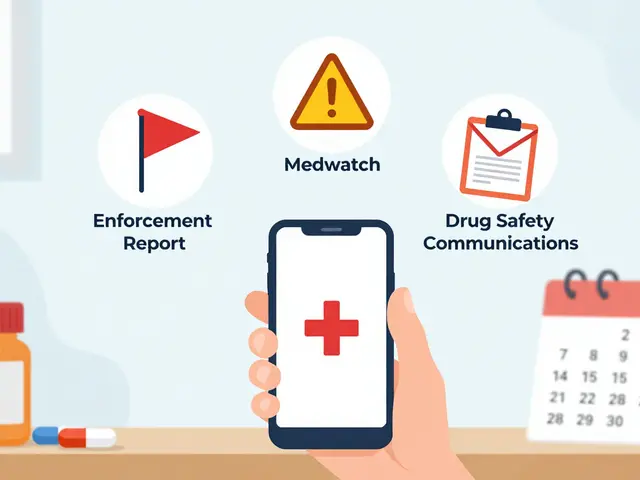
Formularies are updated continuously, but major changes typically occur once a year during the plan renewal cycle. However, insurers can make mid-year changes if a drug loses FDA approval, faces safety recalls, or if new generic versions enter the market. CMS mandates that insurers notify members of significant formulary changes, but studies show 43% of changes happen without direct patient notification. It is wise to check your formulary online every few months.
Does Medicare Part D have a standard formulary?
No, there is no single national formulary for Medicare Part D. Each private insurance company offering Part D creates its own formulary. However, CMS requires all Part D plans to cover at least two drugs in each therapeutic category and class. This ensures basic access to essential medications across all plans, even though the specific drugs and tiers may vary between providers.