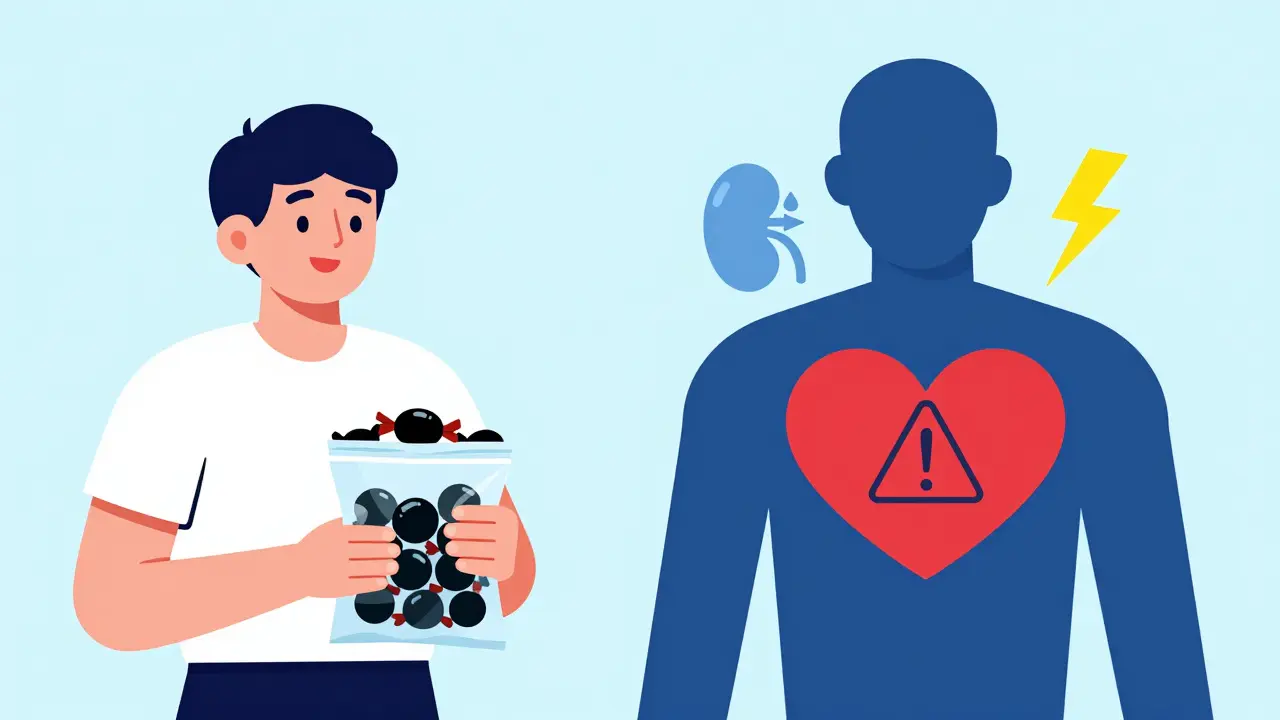
You might grab a bag of black licorice or sip on an herbal tea without thinking twice. But if you take medication for high blood pressure, that sweet treat could be quietly working against your treatment. Licorice root is a common herbal supplement and candy ingredient containing glycyrrhizin, which can dangerously interfere with blood pressure medications by causing sodium retention and potassium loss. This isn't just a minor side effect; it can lead to uncontrolled hypertension, dangerous heart rhythms, and even hospitalization.
The interaction between glycyrrhizic acid and antihypertensive drugs has been documented since the 1950s, yet many patients remain unaware of the risk. If you are managing high blood pressure, understanding this specific food-drug interaction is critical for your safety. Here is what you need to know about how licorice affects your body, which medications are at risk, and how much is actually safe to consume.
How Licorice Raises Your Blood Pressure
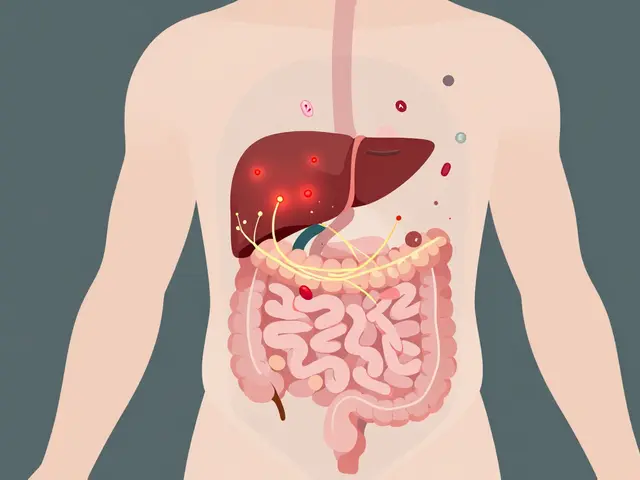
To understand why licorice is problematic, we have to look at what happens inside your kidneys. The active compound in licorice, known as glycyrrhizin, breaks down into metabolites like 3MGA (3'-O-methylglycyrrhetinic acid). These metabolites inhibit an enzyme called 11β-hydroxysteroid dehydrogenase type 2. Normally, this enzyme protects your mineralocorticoid receptors from being activated by cortisol.
When this enzyme is blocked, cortisol starts binding to those receptors instead. Cortisol mimics the effects of aldosterone, a hormone that tells your kidneys to hold onto salt and water while flushing out potassium. This condition is medically known as apparent mineralocorticoid excess or pseudoaldosteronism. The result? Your blood volume increases, and your blood pressure rises directly counteracting the work your medication is doing.
- Sodium Retention: Your body holds onto extra fluid, increasing blood volume by approximately 5-10% in chronic high-dose consumers.
- Potassium Loss: Serum potassium levels can drop by 0.5-1.0 mmol/L after just two to four weeks of significant consumption.
- Blood Pressure Spike: Meta-analyses show systolic blood pressure can increase by an average of 5.45 mmHg, with diastolic pressure rising by 1.74 to 3.19 mmHg.
This mechanism applies regardless of whether you eat licorice candy, drink licorice tea, or take herbal supplements. The chemical pathway remains the same, creating a direct physiological conflict with any drug designed to lower blood pressure.
The Critical Safety Threshold: How Much Is Too Much?
Not every lick of a licorice lollipop will cause immediate harm, but regular consumption quickly adds up. Medical authorities, including the New Zealand Medicines and Medical Devices Safety Authority (Medsafe), have established a clear safety limit. Consuming more than 100 mg of glycyrrhizin per day is considered unsafe for individuals with hypertension or those taking blood pressure medication.
What does 100 mg look like in real terms? It is roughly equivalent to eating 60 to 70 grams of traditional black licorice candy daily. That is about 2.1 to 2.5 ounces. For context, a standard pack of hard black licorice often contains several pieces that add up to this amount quickly. Herbal teas and concentrated supplements can contain even higher doses, making them particularly risky.
| Daily Glycyrrhizin Intake | Equivalent Licorice Candy | Risk Level for Hypertension Patients |
|---|---|---|
| < 100 mg | < 60 grams | Moderate Risk (Monitor BP) |
| 100-200 mg | 60-120 grams | High Risk (Avoid) |
| > 200 mg | > 120 grams | Critical Risk (Immediate Danger) |
Individual sensitivity varies significantly. Women, elderly patients, and those with pre-existing hypertension are more susceptible to these effects. Even small amounts can trigger adverse reactions in these groups due to prolonged gastrointestinal transit time and altered kidney function.
Which Blood Pressure Medications Are Most Affected?
Licorice doesn't just raise blood pressure generally; it creates specific, dangerous interactions with certain classes of drugs. The Merck Manual Professional Edition explicitly warns that licorice decreases the effectiveness of antihypertensive medications through salt and water retention. However, some combinations are far more dangerous than others.
Diuretics and ACE Inhibitors
If you take ACE inhibitors (like captopril) or diuretics (like hydrochlorothiazide), licorice poses a dual threat. First, it reduces the drug's ability to lower blood pressure. Second, it exacerbates potassium loss. Many diuretics already cause potassium excretion; adding licorice accelerates this process, leading to severe hypokalemia (low potassium).
Digoxin: The Silent Killer
The most dangerous interaction occurs with digoxin (Lanoxin), a medication used for heart failure and atrial fibrillation. Digoxin relies on precise potassium levels to function safely. Potassium normally competes with digoxin for binding sites on the Na+/K+ ATPase pump. When licorice causes potassium levels to drop, there is less competition. This allows digoxin to bind more strongly, leading to toxicity.
A case report published in the journal *Cardiology* detailed an older man who developed digoxin toxicity and congestive heart failure after using a herbal laxative containing licorice. The symptoms included nausea, confusion, and life-threatening arrhythmias. If you take digoxin, you must avoid licorice entirely.
Kidney-Friendly Medications
Even medications designed to spare potassium, such as spironolactone, can be undermined by licorice. While these drugs try to retain potassium, the powerful mineralocorticoid effect of glycyrrhizin can override them, still resulting in net potassium loss and reduced blood pressure control.
Hidden Sources of Glycyrrhizin
Many people assume they are safe because they don't eat "black licorice." However, glycyrrhizin hides in many products. Modern red licorice often uses anise flavoring instead, which is safe. But you cannot rely on color alone.
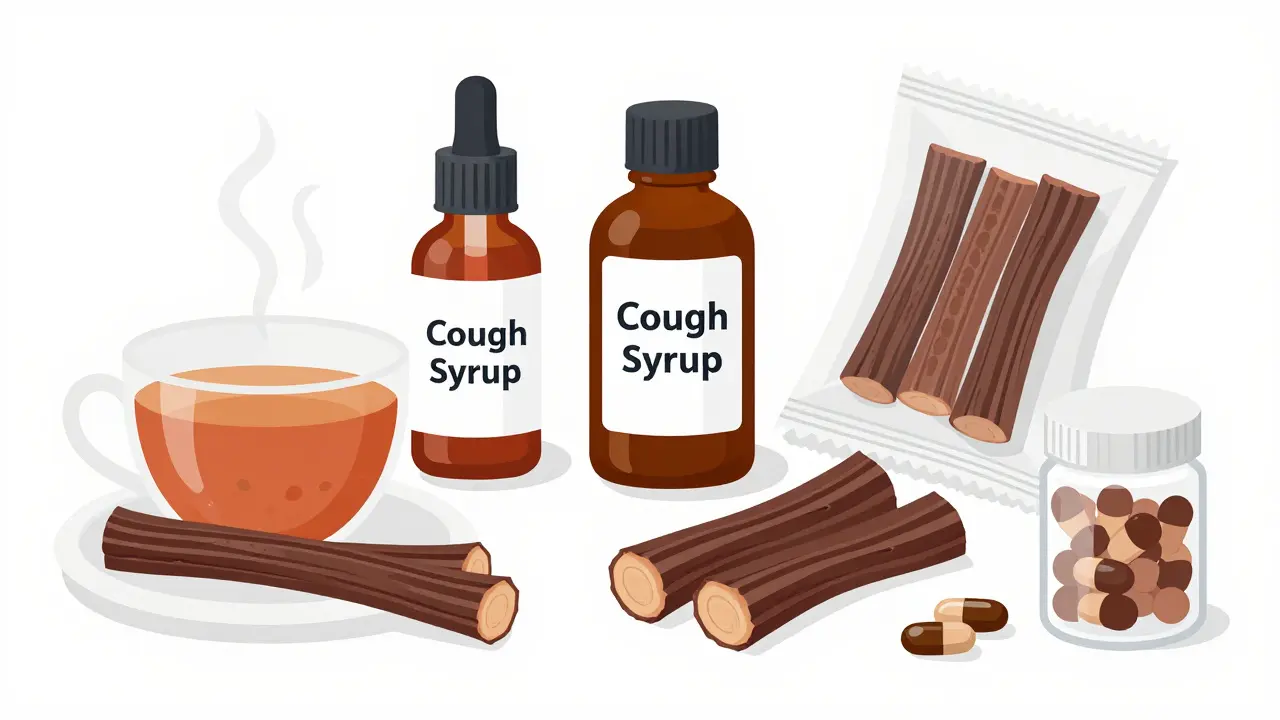
- Herbal Supplements: Many "detox" teas, digestive aids, and cough syrups use licorice root extract. Check labels for "Glycyrrhiza glabra" or "glycyrrhizin."
- Traditional Black Licorice: Authentic black licorice almost always contains glycyrrhizin. Look for "DGL" (deglycyrrhizinated licorice) if you want the root benefits without the blood pressure risk.
- Chewing Tobacco: Some brands use licorice as a flavoring agent, posing a risk for users with cardiovascular conditions.
- Asian Medicinal Preparations: Traditional Chinese Medicine often includes licorice root as a harmonizing agent in formulas. Inform your doctor if you use these remedies.
The lack of standardized labeling for glycyrrhizin content in supplements makes this particularly tricky. Unlike prescription drugs, supplements are not required to list exact milligram amounts of active compounds. Always assume herbal products contain significant amounts unless explicitly stated otherwise.
Recognizing the Symptoms of Interaction
If you are consuming licorice regularly and taking blood pressure medication, watch for these warning signs. They indicate that your electrolyte balance is off or your blood pressure is spiking despite medication.
- Muscle Weakness: Low potassium causes flaccid paralysis or general lethargy. You may feel unusually tired or find it hard to lift objects.
- Abnormal Heart Rhythms: Palpitations, skipped beats, or dizziness can signal arrhythmias caused by hypokalemia.
- Edema: Swelling in the legs, ankles, or feet indicates sodium and water retention.
- Unexplained Hypertension: If your home blood pressure readings suddenly rise by 5 mmHg or more without lifestyle changes, suspect a dietary interaction.
Doctors diagnose this condition by checking for low plasma renin and aldosterone levels alongside a raised cortisol-to-cortisone ratio. At home, the best diagnostic tool is consistent blood pressure monitoring and reporting any new symptoms to your healthcare provider immediately.
Practical Steps for Safe Management
You do not necessarily have to give up licorice forever, but you must manage it carefully. Here is how to navigate this interaction safely.
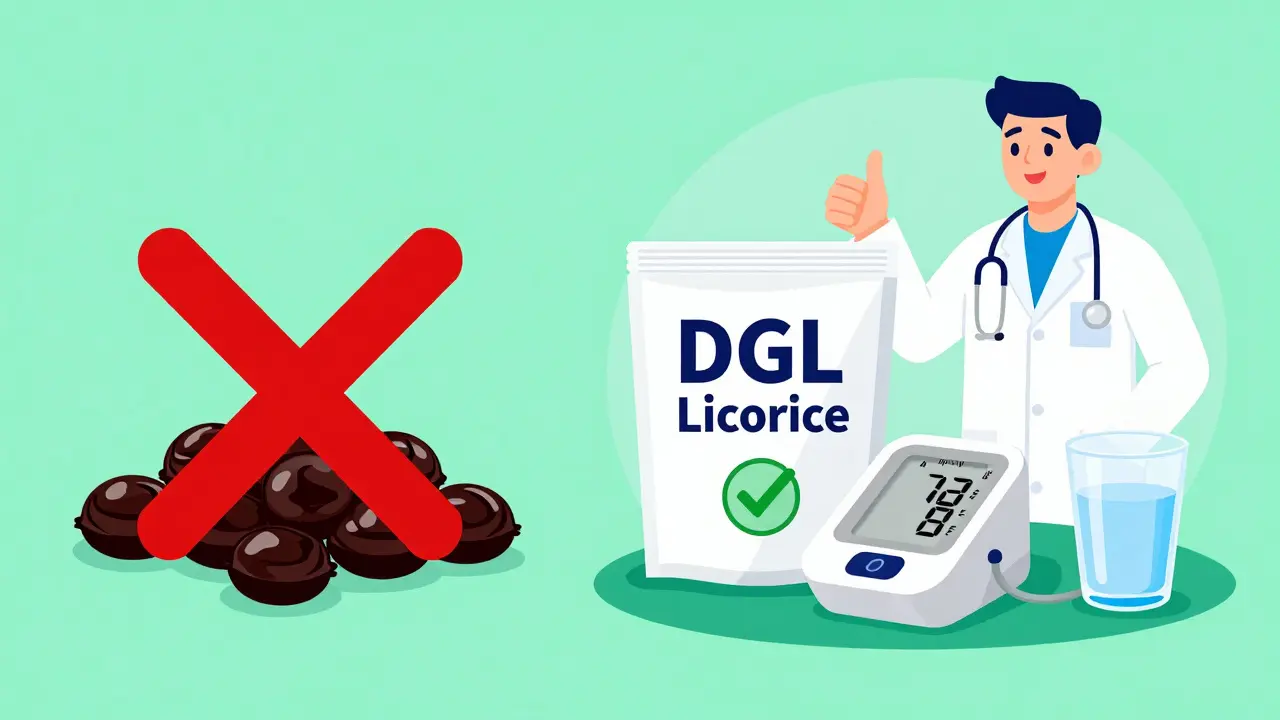
Choose DGL Licorice: Deglycyrrhizinated licorice (DGL) has had the glycyrrhizin removed. It is commonly used for stomach ulcers and heartburn and does not raise blood pressure or affect potassium levels. This is a safe alternative for those who enjoy the taste or medicinal properties of licorice root.
Read Labels Rigorously: Avoid any product listing "licorice root," "glycyrrhiza glabra," or "glycyrrhizin." Opt for candies labeled "anise-flavored" or "red licorice" which typically use synthetic flavorings.
Monitor Your Levels: If you occasionally consume licorice, ask your doctor to check your serum potassium and blood pressure more frequently. Values below 3.5 mmol/L for potassium require immediate medical attention.
Communicate with Your Doctor: Never hide your licorice consumption. Tell your physician exactly how much you eat or drink. They may adjust your medication dosage or advise complete avoidance based on your specific health profile.
Can I eat red licorice if I have high blood pressure?
Most red licorice is safe because it is flavored with anise oil rather than licorice root extract. However, always check the ingredient label. If it lists "licorice root" or "glycyrrhizin," avoid it. If it only lists artificial flavors or anise, it is generally safe in moderation.
Does DGL licorice interact with blood pressure meds?
No, DGL (deglycyrrhizinated licorice) does not interact with blood pressure medications. The glycyrrhizin, which causes the adverse effects, has been removed during processing. DGL is considered safe for hypertensive patients.
How long does it take for licorice to raise blood pressure?
Effects can appear within days to weeks of consistent consumption. Significant potassium depletion and blood pressure elevation typically occur after 2-4 weeks of consuming more than 100 mg of glycyrrhizin daily.
Is licorice tea safe for people on diuretics?
Licorice tea made from true licorice root is not safe for people on diuretics. It exacerbates potassium loss and reduces the effectiveness of the medication. Only teas explicitly labeled as DGL or anise-flavored should be consumed.
What should I do if I accidentally ate too much licorice?
Stop consuming licorice immediately. Monitor your blood pressure and watch for muscle weakness or palpitations. Contact your healthcare provider, especially if you take digoxin or diuretics, as you may need blood tests to check your potassium levels.