Most people think of a pharmacy as the place where you pick up a bottle of pills and go home. But when you're dealing with complex conditions like rheumatoid arthritis or certain types of cancer, the process is completely different. You aren't just getting a drug; you're getting a high-stakes treatment plan. This is where specialty pharmacy is a specialized distribution channel for complex, high-cost medications that require specific handling, administration, and rigorous patient monitoring comes into play. While these pharmacies are famous for handling expensive brand-name biologics, there's a growing shift toward generic specialty drugs and biosimilars. The big question for providers is: does the move to a generic version change how these drugs are dispensed?
The short answer is no. In the world of specialty meds, the service model matters more than the price tag. Whether a drug is a brand-name original or a generic equivalent, the clinical risks and administration hurdles remain the same. This means the role of the provider doesn't shrink just because the drug becomes generic.
The Reality of Generic Specialty Drugs
First, we need to clear up what we actually mean by "generic" in this context. For traditional small-molecule drugs, a generic is a straightforward copy. But for most specialty meds, which are often large, protein-based molecules, we deal with Biosimilars biological products that are highly similar to a reference biologic and have no clinically meaningful differences in terms of safety, purity, and potency . Because of this molecular complexity, you can't just swap them out at a corner drugstore.
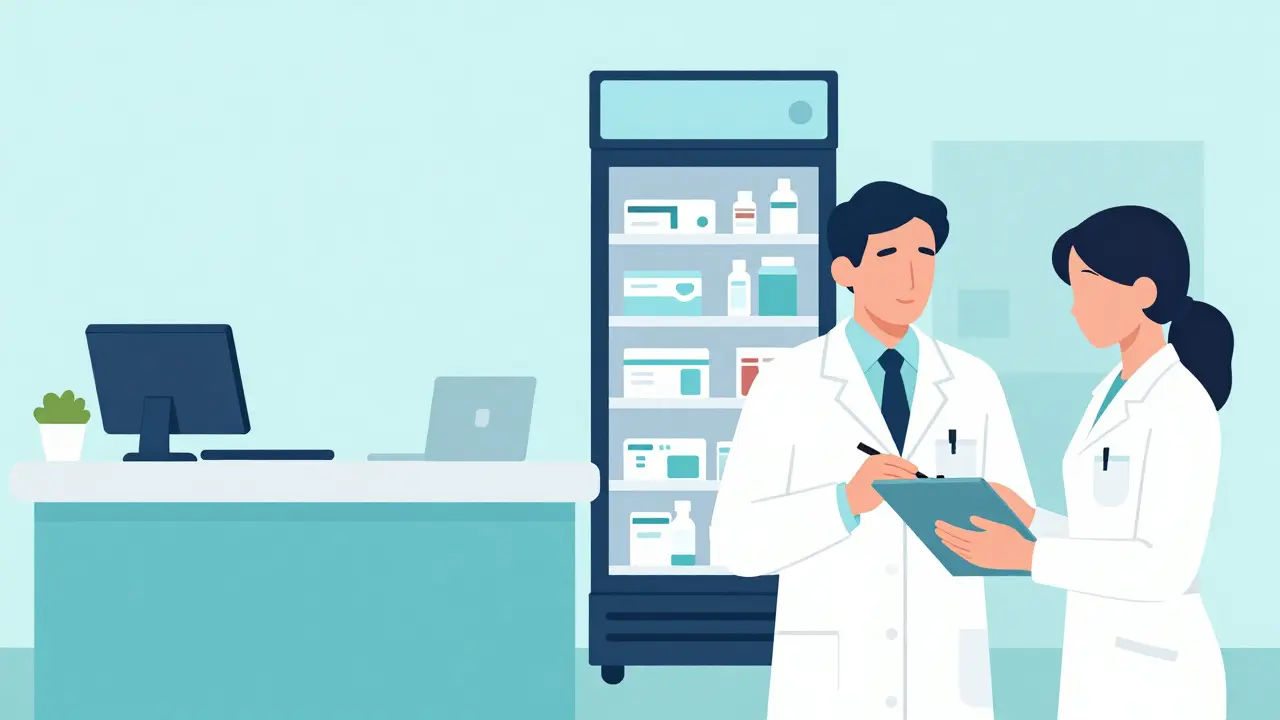
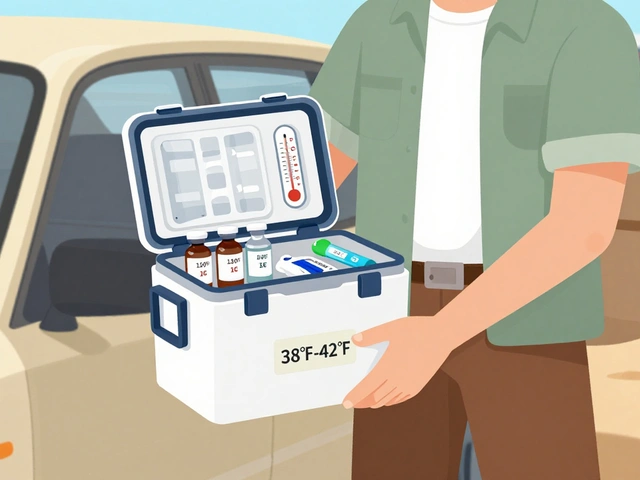
Even when a true generic version of a small-molecule specialty drug exists, manufacturers often mandate that it stay within the specialty channel. This creates a distribution mandate. If the manufacturer decides a drug needs a specialty pharmacy, that's where it stays, regardless of whether it's branded or generic. This is critical because these drugs often require Temperature-Controlled Storage pharmaceutical storage environments typically maintained between 2-8°C to ensure the stability of refrigerated biologics , something your local retail pharmacy might not be equipped to handle at scale.
The Provider's Workflow: More Than Just a Transaction
If you think dispensing a generic specialty drug is just about shipping a box, you're missing the bulk of the work. The workflow for a specialty provider is a grueling marathon of coordination. It starts with prescription intake and verification, but then it hits the wall of prior authorization. Even for generic versions, insurance companies often demand a mountain of paperwork to prove the drug is necessary.
Providers must also manage Risk Evaluation and Mitigation Strategies (REMS) FDA-mandated safety programs designed to ensure the benefits of a drug outweigh its risks by requiring specific knowledge and certifications . These aren't optional guidelines; they are legal requirements to prevent catastrophic patient outcomes. The provider's role here is to ensure the patient is educated and the clinic is certified to handle the drug. This level of oversight is required whether the patient is on a $10,000-a-month brand drug or a more affordable generic version.
| Feature | Traditional Retail Pharmacy | Specialty Pharmacy |
|---|---|---|
| Average Turnaround | ~1.2 Days | ~7.2 Days |
| Patient Onboarding | Minimal/Fast | Intensive (12-15 data points) |
| Handling | Room temperature/Standard | Strict Cold Chain (2-8°C) |
| Clinical Support | Brief consultation | Nurse & Care Coordinator teams |
Why Clinical Expertise Outweighs Product Cost
There's a common misconception that as a drug becomes generic, the need for a high-touch pharmacy disappears. In reality, the complexity of the disease usually dictates the level of care, not the cost of the pill. For example, a patient switching to a biosimilar for oncology still needs a nurse to monitor for adverse reactions and a pharmacist to check for dangerous drug interactions.
Specialty providers offer a "wrap-around" service. This includes calling patients to remind them of refill dates, training them on how to use an auto-injector, and coordinating the necessary lab tests to ensure the drug is actually working. When a patient transitions from a brand to a generic, they often prefer staying with the same specialty pharmacy because that team already knows their medical history. It’s about the relationship and the specialized knowledge of the disease, not the brand name on the label.
The Logistics of Delivery and Administration
Unlike retail pharmacies where you drive to a store, specialty pharmacies are almost entirely delivery-focused. This applies to both branded and generic drugs. However, the way these drugs reach the patient is evolving. We're seeing a rise in "white bagging" and "brown bagging." This is where a specialty pharmacy ships the medication directly to a doctor's office or hospital for administration. Currently, this accounts for about 27% of specialty volume.
This logistics-heavy model is why turnaround times can be frustrating. While a retail drug takes about a day to process, a specialty order averages over a week. This delay is often due to the complex insurance coordination and the precision required in shipping temperature-sensitive biologics. For providers, the challenge is balancing this rigorous safety protocol with the patient's need for timely access to medication.
Challenges and Future Shifts
The industry is facing a tug-of-war. On one side, health systems want to bring specialty dispensing in-house to better control drug interactions and patient outcomes. On the other side, massive players like OptumRx and CVS Specialty are consolidating the market to leverage their scale.
The introduction of new CMS rules requiring Medicare Part D plans to cover all FDA-approved biosimilars is going to flood the system with more generic specialty drugs. Providers are now scrambling to upgrade their technology. Many are implementing "Real-Time Prescription Benefit" tools to cut down the days spent waiting on prior authorizations. The goal is to move from a manual, paperwork-heavy process to a streamlined digital workflow that can handle a predicted 40% increase in biosimilar volume by 2026.
Can I get a generic specialty drug at a regular retail pharmacy?
Only if the manufacturer allows it. Many specialty drugs, even generics, are restricted to specialty pharmacies because they require strict temperature control (2-8°C) and complex patient monitoring that retail pharmacies aren't equipped to provide.
Why does it take so much longer to get a generic specialty drug than a regular generic?
The delay usually isn't the drug itself, but the process. Specialty drugs require intensive prior authorization from insurance and rigorous verification of REMS (Risk Evaluation and Mitigation Strategies) protocols. While retail drugs take about 1.2 days, specialty drugs average 7.2 days due to these safety and financial hurdles.
What is the difference between a generic and a biosimilar in specialty pharmacy?
A traditional generic is an exact chemical copy. A biosimilar is a biological product that is "highly similar" to the original biologic drug. Because biologics are made from living cells, they can't be copied exactly, which is why we use the term biosimilar instead of generic.
Will my copay be lower if I switch to a generic specialty drug?
Not always. While the drug cost may be lower, specialty pharmacies charge a dispensing fee (often $250-$500) and a percentage markup. Depending on your insurance plan and the pharmacy's contract, your out-of-pocket cost might not drop as significantly as it would with a standard retail generic.
What happens if I switch to a generic but want to keep my current specialty pharmacy?
In most cases, you can. Many patients prefer to stay with their existing specialty pharmacy because the care team (nurses and pharmacists) already understands their specific case history and therapeutic needs, which provides a smoother transition.
Next Steps for Patients and Providers
If you're a patient moving to a generic specialty drug, don't assume the process is now "simple." Start your prior authorization process at least two weeks before your current medication runs out to avoid a gap in therapy. Ask your provider if they use real-time benefit tools to speed up the insurance approval.
For providers, the focus should be on integrating care. Whether you're using a "white bagging" model or direct-to-patient shipping, the priority is maintaining the clinical relationship. As biosimilar volume grows, the winners will be the pharmacies that prioritize high-touch patient support over simple logistics.



The preoccupation with "cost" in this discourse is utterly pedestrian. One must realize that the transition to biosimilars is not merely a fiscal shift but a reflection of our fragmented approach to biological stewardship. We cling to the brand name as a security blanket, failing to perceive that the actual structural integrity of the healthcare delivery system is what's truly decaying.
Exactly. The vertical integration of PBMs and specialty pharmacies is a total cash grab. The "wrap-around" services are just fluff to justify a higher markup on generics. It's all about capture and retention in a closed-loop ecosystem. Absolute madness.
They just want to keep us in these "specialty" cages! Why can't the local shop have the fridge? They hide the drugs behind a wall of paperwork so they can track every single move we make with these potions. It's a giant trap to keep the money flowing to the big bosses!
It's worth noting that for many patients, the real hurdle isn't the drug itself but the navigating of the prior authorization process. I've seen cases where the clinical necessity was clear, yet the administrative red tape caused a two-week gap in therapy. This is why the move toward real-time benefit tools is so critical for improving patient adherence and overall outcomes.
Wow, I never knew it took that long to get these meds! 😮 I hope the new digital tools actually work to make it faster for everyone :)
The distinction between a traditional generic and a biosimilar is a frequent point of confusion for patients. Providing clear, educational materials during the onboarding process is essential to ensure that patients do not feel their quality of care is being compromised by a switch to a more affordable alternative.
Omg this is so importent!! People really dont realize how hard it is to deal with insuranse and the paperwork. It is literally a nightmare trying to get things approved on time. We need more support for the patients who are just trying to stay alive! 😭
I feel so much sympthy for the patients struggling with this. The complexity of biologics is truly overwhelming, and it's heartbraking that the cost doesn't always drop when the drug goes generic. It is a very cruel system that makes us wait seven days for lifesaving medicine.
That whole white bagging thing sounds like a total circus. Imagine the chaos of coordinating all those shipments to a doctor's office. Still, it's better than fighting with a pharmacy for ten years over a cold-chain failure.
It is truly a monumental tragedy that the administrative burdens of our current healthcare system place such an arduous strain upon the vulnerable. We must strive for a more inclusive approach where the dignity of the patient is prioritized over the rigid mandates of insurance corporations. Let us hope for a future where the harmony of care outweighs the discord of bureaucracy!