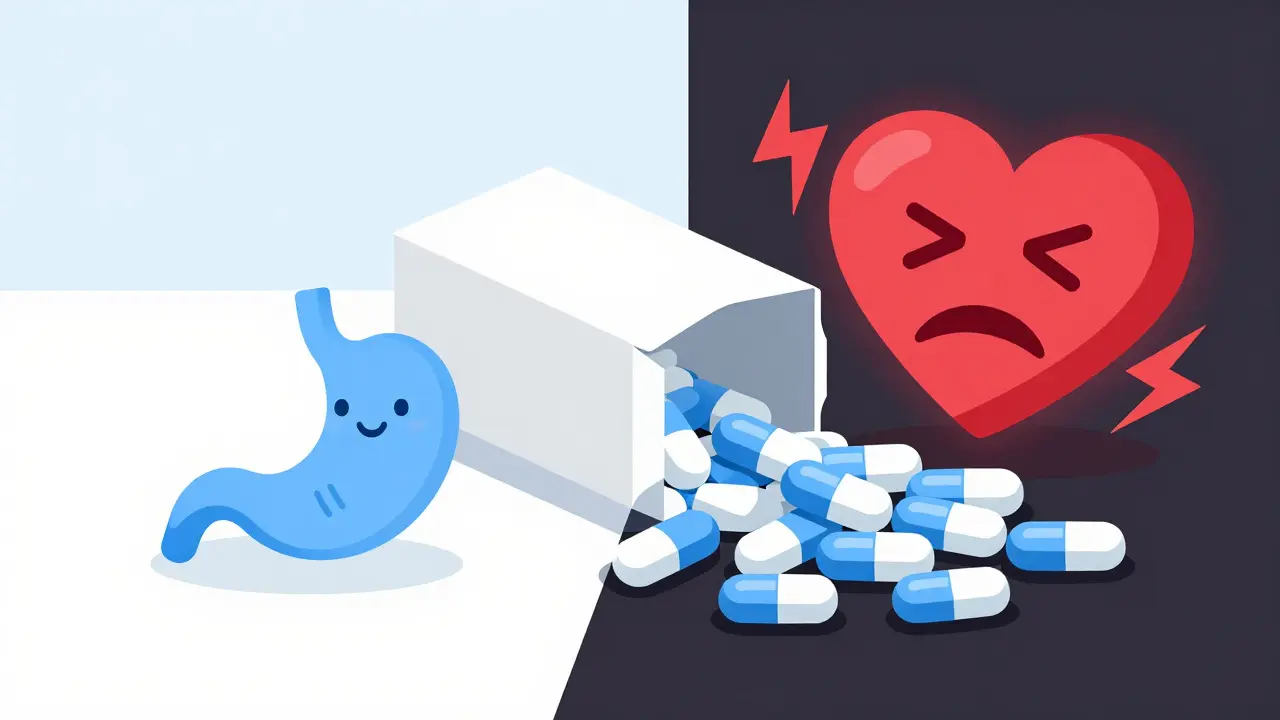
Imagine reaching for a box of Imodium, the familiar over-the-counter medicine you’ve trusted for decades to stop diarrhea. Now imagine that same box becoming a gateway to life-threatening heart failure. This isn’t a hypothetical scenario; it’s a growing public health crisis involving loperamide abuse. While loperamide is safe when used as directed, taking massive doses to mimic opioids or manage withdrawal symptoms has led to severe cardiac events and deaths across the United States.
You might think that because loperamide is available without a prescription, it must be harmless. But the reality is starkly different. Since 2010, abuse rates have skyrocketed, closely tracking the opioid epidemic. People are consuming doses up to 50-100 times higher than recommended, turning a simple gut medication into a dangerous, unregulated substitute for heroin or prescription painkillers. Understanding the risks, recognizing the warning signs, and knowing how to respond can save lives.
The Silent Shift: From Gut Relief to Opioid Substitute
To understand why loperamide is being abused, we need to look at how it works in your body. Loperamide is an opioid receptor agonist. At normal therapeutic doses (usually 4 mg initially, then 2 mg after each loose stool, maxing out at 8 mg per day), it stays in your gastrointestinal tract. It slows down intestinal movement, giving your body time to absorb water and solidify stool. Crucially, a protein called P-glycoprotein pumps any excess loperamide back out of your brain, preventing it from crossing the blood-brain barrier.
However, when someone takes supratherapeutic doses-often between 100 mg and 400 mg daily-they overwhelm this protective pump. The drug floods the central nervous system, binding to opioid receptors in the brain. For individuals struggling with opioid use disorder, this provides a cheap, accessible way to blunt withdrawal symptoms like anxiety, restlessness, and physical pain. Unlike methadone or buprenorphine, which require medical supervision and prescriptions, loperamide is sitting on shelves at every pharmacy corner store. This accessibility creates a dangerous loophole in addiction management.
Cardiac Toxicity: The Heart-Stopping Danger
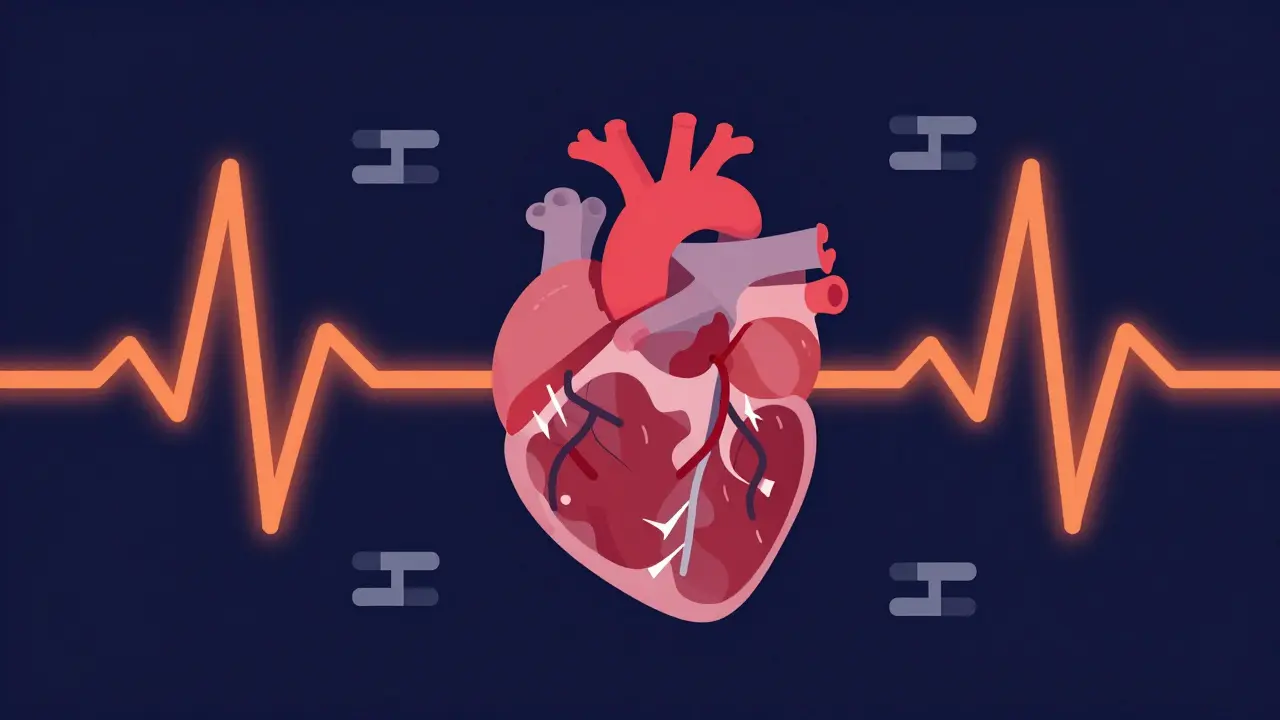
The most immediate and lethal risk of loperamide abuse is not addiction itself, but acute cardiac toxicity. When loperamide levels spike in the blood, it doesn’t just affect the brain; it interferes with the electrical signals that control your heartbeat. Specifically, high concentrations inhibit hERG potassium channels and cardiac sodium channels. Think of these channels as the gatekeepers of your heart’s rhythm. When they’re blocked, the electrical impulses slow down or become erratic.
This disruption leads to two critical changes visible on an electrocardiogram (ECG): QT interval prolongation and QRS widening. A prolonged QT interval means the heart takes longer to recharge between beats. This sets the stage for Torsades de Pointes, a specific type of ventricular tachycardia where the heart quivers instead of pumping effectively. Without immediate intervention, this can degenerate into ventricular fibrillation and sudden cardiac arrest. The FDA has documented numerous cases where patients presented with "unexplained" cardiac events, only for clinicians to discover massive loperamide ingestion upon further questioning.
| Feature | Therapeutic Use | Abusive Use |
|---|---|---|
| Daily Dosage | Max 8 mg (OTC) | 100-400+ mg |
| Primary Effect | Slows gut motility | CNS opioid effects + Cardiac toxicity |
| Blood-Brain Barrier | Blocked by P-glycoprotein | Saturated/Overwhelmed |
| Cardiac Risk | Negligible | High (QT prolongation, Arrhythmia) |
| Purpose | Treat diarrhea | Self-manage opioid withdrawal |
Warning Signs You Should Never Ignore
If you suspect someone is abusing loperamide, look beyond typical drug-seeking behavior. The signs often manifest physically before behavioral patterns become obvious. Because abusers may hide their usage, recognizing physiological red flags is crucial for early intervention.
- Cardiac Symptoms: Palpitations, chest pain, dizziness, fainting (syncope), or unexplained shortness of breath. These are not side effects of normal diarrhea treatment; they indicate potential heart strain.
- Gastrointestinal Distress: Severe constipation, nausea, vomiting, or even paralytic ileus (where the intestine stops moving entirely). This happens because the drug is over-slowing the gut.
- Neurological Changes: Confusion, extreme sedation, slurred speech, or pinpoint pupils. These mimic opioid intoxication and suggest the drug has crossed into the brain.
- Purchasing Patterns: Buying multiple boxes of loperamide frequently, seeking out larger pack sizes, or purchasing online to avoid quantity limits imposed by retailers.
Healthcare providers play a vital role here. If a patient presents with cardiac issues and has a history of opioid use disorder, loperamide abuse should be high on the differential diagnosis list. Standard toxicology screens often miss loperamide, so doctors must rely on patient history and ECG findings. Early detection can mean the difference between a manageable hospital stay and a fatal outcome.
The Regulatory Response and Packaging Changes
In response to rising mortality rates, regulatory bodies and industry groups have taken action. In 2016, the FDA issued a Drug Safety Communication highlighting the cardiac risks associated with high-dose loperamide. They mandated stronger warnings on labels, explicitly stating that exceeding the recommended dose can cause serious heart problems.
More significantly, the Consumer Healthcare Products Association (CHPA) implemented voluntary packaging restrictions in 2019. Single-dose blister packs were introduced for products containing more than 45 mg of loperamide. This change was designed to make it harder for abusers to quickly access large quantities of pills without opening individual wrappers. Sales data indicates a 12% drop in unit sales following these interventions, suggesting that friction in access does deter some misuse. However, abusers have adapted, shifting toward online purchases or buying bulk generic versions where such packaging isn't always enforced.
Treatment and Medical Management
There is no specific antidote for loperamide toxicity. Treatment focuses on supportive care and managing complications. If loperamide overdose is suspected, immediate discontinuation of the drug is essential. Patients require continuous cardiac monitoring to watch for arrhythmias. In cases of Torsades de Pointes, magnesium sulfate is often administered to stabilize the heart’s electrical activity.
Naloxone, commonly used to reverse opioid overdoses, may help reduce some central nervous system effects like respiratory depression or sedation. However, it does nothing to fix the cardiac channel blockade. This means a patient might wake up alert after receiving naloxone but still face imminent risk of cardiac arrest due to prolonged QT intervals. Therefore, medical observation must continue well beyond the reversal of opioid-like symptoms.
Prevention and Safer Alternatives
For those struggling with opioid withdrawal, loperamide is a dangerous dead end. It offers temporary relief at the cost of long-term health and survival. Evidence-based treatments like methadone and buprenorphine are far safer and more effective. These medications are regulated, dosed precisely, and monitored by healthcare professionals who can manage side effects and support recovery.
Public education remains key. We need to shift the narrative around over-the-counter medications. Just because you don’t need a prescription doesn’t mean a drug is free from risk. Pharmacists and community health workers are on the front lines of this battle. They can spot suspicious purchasing behaviors and intervene with resources for addiction treatment. If you or someone you know is using loperamide to manage withdrawal, please seek professional help immediately. The heart risks are real, immediate, and potentially irreversible.
Is loperamide addictive?
Physically, loperamide is not considered highly addictive in the traditional sense because it produces minimal euphoria compared to other opioids. However, psychological dependence can develop in individuals using it to self-medicate opioid withdrawal symptoms. The danger lies less in classic addiction and more in the compulsive need to consume lethal doses to maintain a baseline state of comfort, leading to severe physical harm.
How much loperamide is too much?
The maximum recommended daily dose for over-the-counter use is 8 mg. Any amount significantly above this, particularly doses exceeding 40 mg per day, enters the danger zone for cardiac toxicity. Abusers often take 100 mg to 400 mg daily, which drastically increases the risk of life-threatening arrhythmias like Torsades de Pointes.
Can loperamide kill you?
Yes. High doses of loperamide can cause fatal cardiac events, including ventricular fibrillation and cardiac arrest. The FDA has reported numerous deaths linked to loperamide abuse since 2010. The mechanism involves the inhibition of heart ion channels, leading to irregular heartbeats that stop the heart from pumping blood effectively.
Why do people abuse loperamide?
People primarily abuse loperamide to self-manage symptoms of opioid withdrawal. Because it is an opioid agonist, high doses can cross the blood-brain barrier and bind to opioid receptors, reducing anxiety, restlessness, and physical pain associated with quitting opioids. Its over-the-counter availability makes it an attractive, albeit dangerous, alternative to prescription medications like methadone.
What are the symptoms of loperamide overdose?
Symptoms include palpitations, chest pain, fainting, severe constipation, nausea, vomiting, confusion, and extreme drowsiness. In severe cases, it can lead to seizures or cardiac arrest. If you experience heart-related symptoms after taking loperamide, seek emergency medical attention immediately.
Does naloxone work for loperamide overdose?
Naloxone may reverse some central nervous system effects like sedation or respiratory depression caused by loperamide's opioid activity. However, it does not treat the cardiac toxicity (heart rhythm disturbances) caused by high doses. Patients still require intensive cardiac monitoring and treatment even if naloxone is administered.