Iron Absorption & Timing Optimizer
Select your options to see results
You take your iron supplement is a mineral essential for blood health that many people struggle to absorb effectively from diet alone every morning. You feel like you’re doing everything right. But if you’re drinking coffee at the same time or taking it with a calcium-rich breakfast, you might be flushing most of that money-and those nutrients-down the toilet. The good news? There’s a simple, scientifically proven trick to fix this: pair your iron with Vitamin C is a water-soluble vitamin (ascorbic acid) that acts as a powerful antioxidant and enhances mineral absorption. This isn’t just wellness folklore; it’s biochemistry.
Vitamin C doesn’t just help a little bit. It can increase the absorption of plant-based iron by up to six times. At the same time, you need to be careful about what else you’re putting in your body. Certain medications and other supplements can block iron entirely if taken too close together. Getting the timing right is the difference between feeling energized and staying stuck in fatigue.
Key Takeaways
- Pair them up: Consume 100-200mg of Vitamin C simultaneously with iron-rich meals or supplements to maximize absorption.
- Avoid inhibitors: Keep coffee, tea, dairy, and antacids at least two hours away from your iron intake.
- Medication spacing: Separate thyroid medication and certain antibiotics from iron by 2-4 hours to prevent interference.
- Plant vs. Animal: Vitamin C drastically boosts non-heme (plant) iron but has minimal effect on heme (animal) iron.
- Watch for side effects: High doses of Vitamin C combined with iron may cause stomach upset in some individuals.
The Biochemistry Behind the Boost
To understand why Vitamin C is so critical, we have to look at how your gut handles iron. Most of the iron in our diets comes from plants-beans, spinach, fortified cereals, and lentils. This is called non-heme iron is the form of iron found in plant foods and fortified products, which is poorly absorbed compared to animal sources. In its natural state, non-heme iron exists as ferric iron (Fe³⁺), which is insoluble and hard for your body to grab onto. Your intestines simply let most of it pass through.
Vitamin C changes the game by acting as an electron donor. Inside your duodenum (the first part of your small intestine), Vitamin C reduces that stubborn ferric iron into ferrous iron (Fe²⁺). Ferrous iron is soluble and easily transported into your bloodstream via a protein called DMT-1. Research from the SPring-8 synchrotron facility in Japan revealed that Vitamin C binds to specific amino acids on the enzyme system responsible for this transfer, making the process highly efficient.
The result? Without Vitamin C, your body absorbs only 2% to 20% of the iron from plant sources. With adequate Vitamin C, that number can jump to 30% or even 40%. A 2022 meta-analysis published in ACS Omega confirmed that this effect is dose-dependent. You don’t need megadoses, but you do need enough to trigger the reaction. The sweet spot is generally considered to be 100mg to 200mg per meal.
How Much Vitamin C Do You Actually Need?
You don’t need to drink a gallon of orange juice to get the benefits. In fact, overdoing it can lead to digestive discomfort. Here is a practical breakdown of how much Vitamin C you need to see significant improvements in iron absorption:
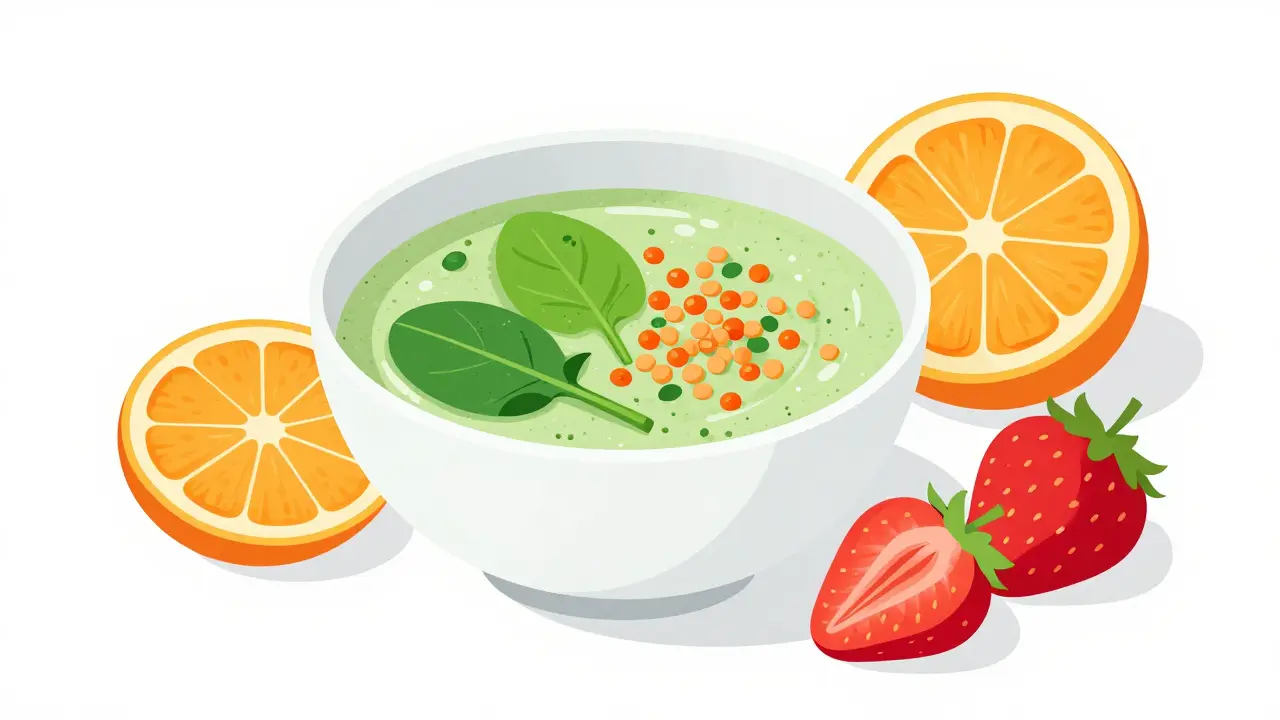
- 25mg: Increases absorption by approximately 50%. Found in about half a cup of strawberries.
- 100mg: Doubles absorption (100% increase). This is the WHO recommended minimum for combating deficiency. Found in one medium orange or half a cup of red bell pepper.
- 200mg: Can increase absorption by 150-200%. Found in one cup of kiwi fruit or a standard multivitamin dose.
For most people, aiming for that 100mg mark with their main iron-rich meal is sufficient. If you are taking an iron supplement, check the label. Many modern formulations already include Vitamin C for this exact reason. If yours doesn’t, grab a glass of orange juice or eat a few slices of citrus fruit alongside it.
The Villains: What Blocks Iron Absorption?
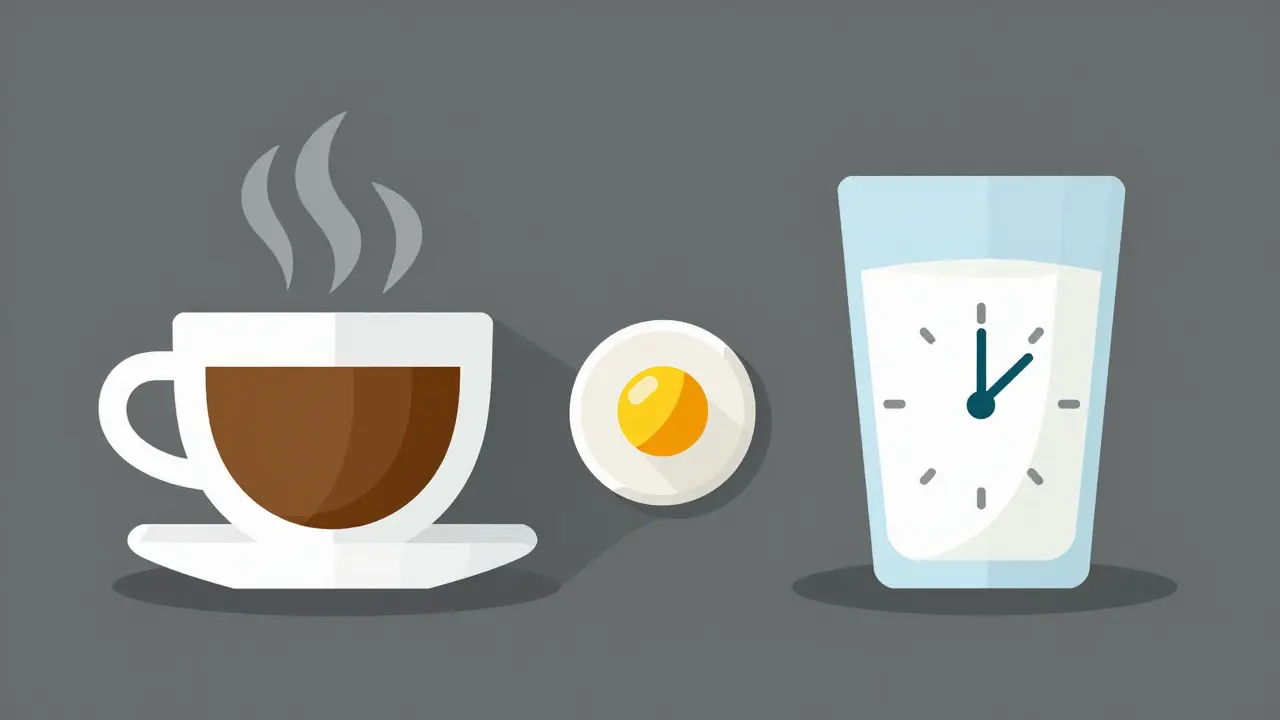
If Vitamin C is the hero, there are several common dietary components that act as villains. These inhibitors bind to iron in your gut, forming compounds that your body cannot absorb. Even if you load up on Vitamin C, these blockers can still interfere if consumed at the same time.
| Inhibitor Source | Primary Compound | Impact on Absorption | Recommended Action |
|---|---|---|---|
| Coffee & Tea | Polyphenols/Tannins | Reduces absorption by 50-65% | Wait 2 hours before or after iron intake |
| Dairy Products | Calcium | Reduces absorption by 50-60% | Separate by 2-4 hours |
| Whole Grains/Legumes | Phytates | Reduces absorption by 30-50% | Sprout, ferment, or soak grains; pair with high Vit C |
| Antacids | Aluminum/Magnesium | Reduces absorption by 70-80% | Separate by at least 4 hours |
Notice the pattern? Calcium and polyphenols are potent blockers. If you take your iron pill with a glass of milk and a cup of coffee, you are essentially neutralizing the supplement. Vitamin C can counteract some of these effects-100mg of Vitamin C can overcome the inhibitory power of moderate amounts of polyphenols-but it’s not magic. It’s far better to separate these items entirely.
Drug Interactions: Timing Is Everything
This is where things get tricky. Many prescription medications interact with iron, either by blocking its absorption or by having their own effectiveness reduced by iron. Ignoring these interactions can lead to treatment failure for serious conditions.
Thyroid Medication
If you take levothyroxine is a synthetic thyroid hormone used to treat hypothyroidism that requires an empty stomach for optimal absorption, you must be vigilant. Iron binds to levothyroxine in the gut, preventing the thyroid medication from entering your bloodstream. Standard medical advice is to take your thyroid medication on an empty stomach and wait at least four hours before taking any iron supplements. Some studies suggest a two-hour window may suffice for some, but four hours is the safer bet to ensure consistent thyroid levels.
Antibiotics
Certain classes of antibiotics, particularly tetracyclines (like doxycycline) and fluoroquinolones (like ciprofloxacin), chelate with iron. This means they bind together so tightly that neither the antibiotic nor the iron gets absorbed properly. This can lead to ineffective infection treatment and persistent anemia. Always separate these antibiotics from iron supplements by at least two to four hours. Check with your pharmacist, as guidelines can vary slightly by specific drug.
Antacids and PPIs
Iron requires an acidic environment in the stomach to dissolve and become available for absorption. Antacids, H2 blockers, and proton pump inhibitors (PPIs) raise stomach pH, making it less acidic. This can reduce iron absorption by up to 80%. If you have chronic acid reflux and are also anemic, talk to your doctor. You may need to adjust the timing of your medications or switch to a different form of iron that is less dependent on stomach acid, such as iron bisglycinate.
Practical Strategies for Daily Life
Knowing the science is one thing; living it is another. Here is how to integrate these principles into your daily routine without turning mealtime into a chemistry lab.
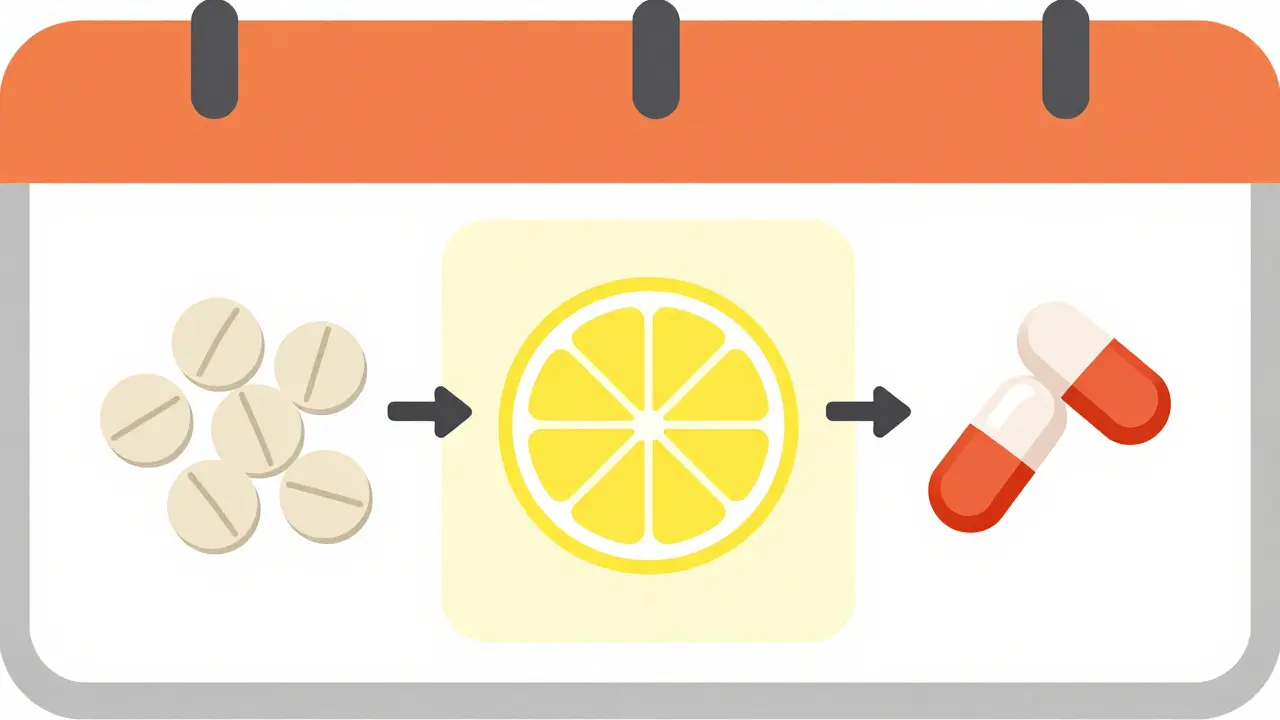
- The Morning Rule: If you take thyroid meds, take them first thing with water. Wait until lunch or dinner to take your iron. Pair your lunch iron with a salad containing tomatoes, peppers, or citrus dressing.
- The Coffee Break: Love your morning latte? Fine. Just don’t take your iron then. Save your iron supplement for a later meal when you aren’t consuming caffeine or dairy.
- Smart Snacking: Keep Vitamin C-rich snacks handy. An orange, a handful of strawberries, or bell pepper strips with hummus make excellent companions to an iron-rich meal like lentil soup or fortified cereal.
- Read Labels: Many multivitamins contain both iron and calcium. This is a poor formulation because the calcium blocks the iron. Look for standalone iron supplements or those explicitly paired with Vitamin C and free of calcium.
Remember, consistency matters more than perfection. If you forget to pair your iron with Vitamin C once, don’t panic. But making it a habit will significantly improve your long-term iron status.
Special Considerations for Different Groups
Your needs might change depending on your life stage or diet.
Vegans and Vegetarians: Since you don’t consume heme iron (from meat), you rely entirely on non-heme iron. This makes Vitamin C pairing non-negotiable. Aim for higher iron intakes (1.8 times that of omnivores) according to RDA guidelines, and always pair plant proteins with Vitamin C sources. For example, serve chickpea curry with a squeeze of lime, or add strawberries to your oatmeal.
Pregnant Women: Iron demands skyrocket during pregnancy. The American Society of Hematology recommends Vitamin C pairing as a first-line intervention for managing iron deficiency in pregnancy. However, pregnant women are also prone to heartburn, leading to increased antacid use. Be mindful of separating antacids from prenatal vitamins. Consult your OB-GYN before adding extra supplements.
The Elderly: Iron deficiency affects 17% of older adults, yet awareness of Vitamin C pairing is lowest in this group (only 43%). Older adults often take multiple medications, increasing the risk of drug-nutrient interactions. Review all medications with a pharmacist to create a safe schedule for iron supplementation.
Can I take Vitamin C and iron at different times of the day?
No, they should be taken simultaneously. Studies show that the enhancing effect of Vitamin C drops by 50% if it is taken more than 30 minutes before or after the iron-containing meal or supplement. The chemical reduction of iron happens in the gut lumen, so both substances need to be present at the same time.
Does Vitamin C help with iron from meat?
Not significantly. Meat contains heme iron, which is already highly bioavailable (15-35% absorption rate). Vitamin C primarily boosts non-heme iron from plants. While eating Vitamin C with meat won’t hurt, it’s not necessary for absorption purposes. Focus on Vitamin C pairing when eating beans, grains, or leafy greens.
Why does my iron supplement give me stomach pain?
Iron supplements, especially ferrous sulfate, can irritate the stomach lining. Taking them with food can reduce nausea but may also lower absorption. Adding Vitamin C can sometimes help mitigate this by improving efficiency, allowing for lower doses. If pain persists, ask your doctor about gentler forms like iron bisglycinate or polysaccharide iron complex.
How long should I wait after taking iron before drinking coffee?
You should wait at least two hours. Polyphenols in coffee and tea bind strongly to iron. Even a short overlap can significantly reduce the amount of iron your body absorbs. Make your coffee break a distinct event separate from your iron intake.
Is it safe to take 200mg of Vitamin C daily?
Yes, for most adults. The tolerable upper intake level (UL) for Vitamin C is 2,000mg per day. 200mg is well within safe limits and is actually recommended for optimizing iron absorption. However, very high doses (over 500mg) can cause diarrhea or cramping in sensitive individuals.




hey man this is actually super helpful stuff i always just grabbed whatever pill was on sale and hoped for the best but now i get why my energy levels were all over the place gonna try taking it with some oranges instead of coffee tomorrow morning thanks for sharing this
The biochemical mechanism described here is not merely a suggestion but a physiological necessity for those relying on non-heme iron sources. It is frankly alarming how many individuals continue to ingest calcium-rich dairy products concurrently with their supplements, effectively neutralizing the therapeutic intent. One must understand that tannins in tea and polyphenols in coffee are potent chelators that bind iron into insoluble complexes. To ignore these interactions is to engage in self-sabotage. Furthermore, the distinction between heme and non-heme iron absorption rates is critical; vegetarians and vegans require significantly higher intake due to lower bioavailability. Do not treat your body as a garbage disposal for conflicting nutrients.
waste of time reading this basic info westerners need to learn this from scratch we have known about food combinations for centuries ayurveda explains this better than any random blog post
One might ponder whether the reductionist approach to nutrition-boiling complex dietary synergies down to mere 'tricks' and 'hacks'-reflects a broader societal decay in our understanding of holistic health. The author presents Vitamin C as a panacea, yet fails to address the existential dread of modern pharmaceutical dependency. Is it not ironic that we seek to optimize mineral absorption while simultaneously poisoning ourselves with environmental toxins? The dichotomy between natural enhancement and synthetic supplementation remains a philosophical quagmire.
i mean its fine but like honestly if u cant figure out that coffee blocks iron ur kinda dumb lol also why does everyone think they need supplements cant they just eat meat or something its so annoying seeing all these people trying to hack their biology when they should just fix their diet
Oh, brilliant. Another article telling us to micromanage our breakfast like we're running a chemical plant. Because clearly, the problem with modern fatigue isn't lack of sleep or stress, it's that I didn't wait exactly two hours after my latte before swallowing a pill. Groundbreaking stuff. Truly.
It is a moral failing of our society that we rely on such artificial interventions to maintain basic vitality! The human body is designed to thrive on whole foods, not isolated compounds extracted through industrial processes. To take an iron supplement without respecting the sacred timing dictated by nature is an affront to our biological heritage. We must return to simplicity, to the earth, to the truth that lies in unprocessed grains and fresh fruits, rather than chasing these fleeting biochemical optimizations that leave our souls empty!
This information is incredibly valuable for maintaining optimal health standards. It is essential to note that consistency in timing can significantly impact long-term efficacy. Many patients overlook the importance of separating thyroid medications from iron supplements, which can lead to suboptimal treatment outcomes. Please ensure you consult with your healthcare provider before making significant changes to your regimen. Safety first.
OMG yes!! 🍊✨ This is literally everything I needed to know because my ferritin has been so low lately 😭 I was taking my prenatal with milk every day no wonder I felt like crap 💀 Thanks for the tip on the kiwi fruit 🥝 game changer frfr 👏👏
Hey there, just wanted to say this is a really nice breakdown. I’ve been struggling with anemia for years and never realized my morning tea was working against me. Going to switch to black coffee at lunch instead. Hope this helps everyone else too!
Listen up you idiots stop drinking milk with your pills it’s common sense in India we don’t make this mistake so maybe educate yourselves before complaining about side effects
What an absolutely fantastic resource! :) It is truly inspiring to see such clear guidance on optimizing nutrient absorption. I am thrilled to share this with my community because everyone deserves to feel their best! Let’s all commit to pairing our iron with Vitamin C today! You can do it! :)
Your ignorance is palpable. Read the table. Coffee reduces absorption by 65%. Stop whining.