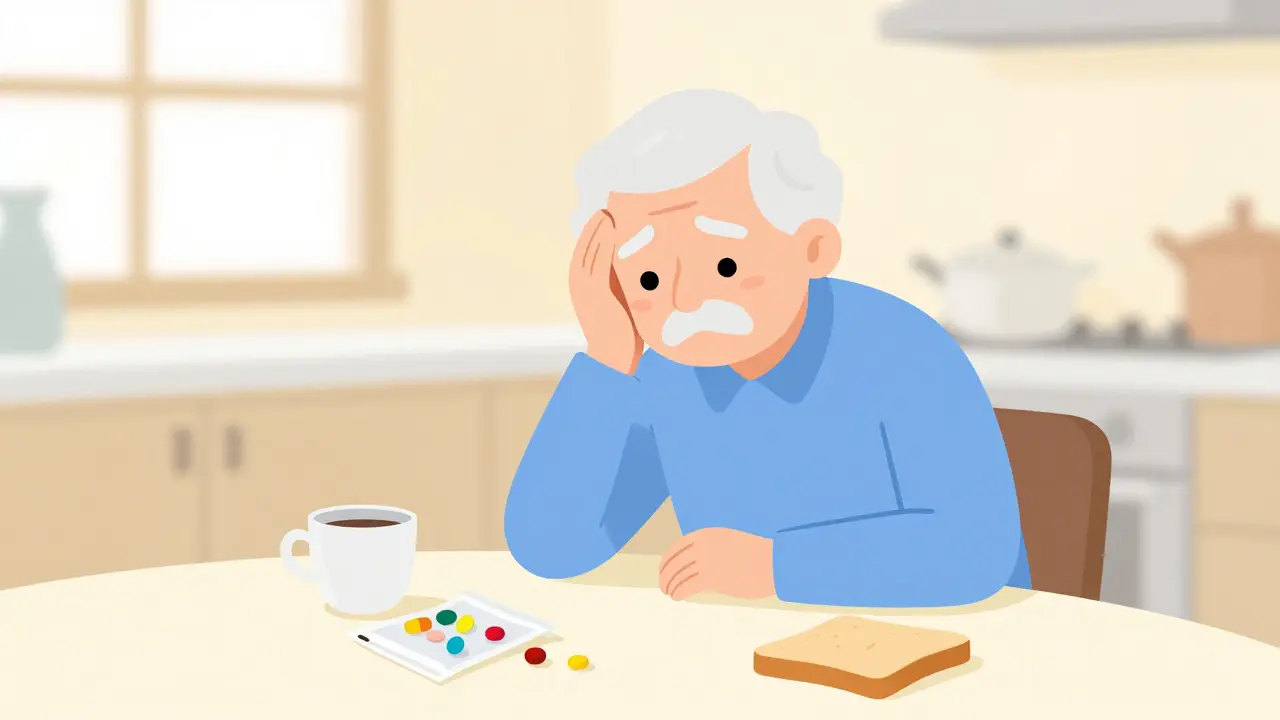
Imagine waking up with a small plastic bag containing six different pills for breakfast, three more at lunch, and another handful before bed. For millions of older adults, this is not an exaggeration-it is their daily routine. This phenomenon, known as polypharmacy, defined medically as the regular use of five or more medications simultaneously, has become one of the most pressing challenges in modern geriatric care. It is not just about counting pills; it is about managing a complex web of interactions that can turn life-saving treatments into dangerous liabilities.
The stakes are incredibly high. Research indicates that inappropriate polypharmacy affects approximately 40% of older adults globally. These medication issues contribute to roughly 10% of all hospital admissions for patients over 65. In the United States alone, the associated healthcare costs exceed $30 billion annually. The problem is growing faster than our ability to manage it, driven by aging populations and fragmented healthcare systems where multiple specialists prescribe without seeing the full picture.
Understanding the Hidden Dangers of Polypharmacy
Many people assume that if a doctor prescribes it, it must be safe. However, the human body changes significantly as we age, altering how drugs are processed. By the time someone reaches their eighties, liver metabolism can slow down by 30-50%, and kidney function declines by about 1% per year after age 40. This means medications stay in the system longer and at higher concentrations, increasing the risk of toxicity.
The consequences of unmanaged polypharmacy are severe and often misunderstood:
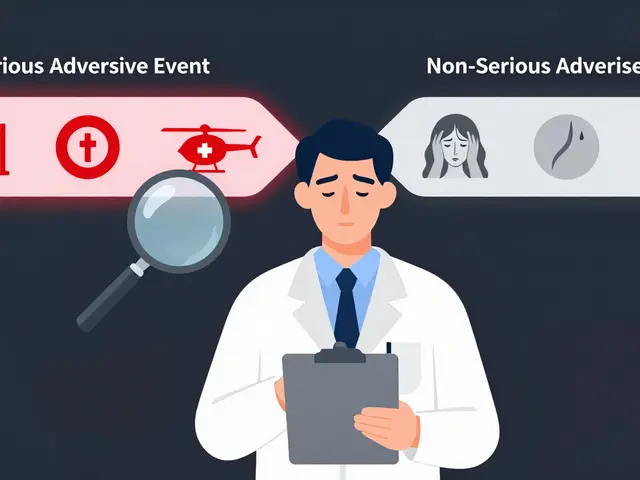
- Falls and Fractures: Adverse drug reactions account for 35% of emergency department visits among seniors due to falls. Benzodiazepines, commonly prescribed for sleep or anxiety, increase fall risk by 50%.
- Cognitive Decline: Anticholinergic medications, found in many allergy and bladder control drugs, are correlated with a 1.5-fold increased risk of dementia over seven years.
- Gastrointestinal Bleeding: Non-steroidal anti-inflammatory drugs (NSAIDs) like ibuprofen carry a 2.5-fold higher risk of GI bleeding in older adults.
- Delirium and Confusion: Complex regimens lead to nonadherence and acute confusion, especially during transitions of care like hospital discharge.
Dr. Irena Tirosh, a geriatric medicine specialist, notes that adverse events are "all too real" during care transitions. When a patient moves from a hospital to home, medication reconciliation failures account for 50% of post-discharge complications. The system often fails to catch these errors until they cause harm.
Identifying High-Risk Medications: The Beers Criteria
To combat this, medical professionals rely on evidence-based guidelines. The gold standard is the Beers Criteria, developed by the American Geriatrics Society. Updated regularly, the latest 2023 version identifies specific medications that pose heightened risks for adults over 65.
The criteria highlight several major classes of drugs that require extreme caution or avoidance:
| Medication Class | Common Uses | Risks in Older Adults | Safer Alternatives |
|---|---|---|---|
| Benzodiazepines | Anxiety, Insomnia | 50% increased fall risk, cognitive impairment | Cognitive Behavioral Therapy (CBT), Melatonin |
| NSAIDs | Pain, Inflammation | GI bleeding, kidney damage, hypertension | Acetaminophen, Topical analgesics |
| Anticholinergics | Allergies, Bladder control | Dementia risk, dry mouth, constipation | Second-generation antihistamines, Lifestyle changes |
| Opioids | Severe Pain | 300% increased fall risk, respiratory depression | Physical therapy, Non-opioid pain relievers |
| Proton Pump Inhibitors (PPIs) | Acid Reflux | 26% increased fracture risk, nutrient malabsorption | H2 Blockers, Dietary modifications |
It is crucial to understand that "inappropriate" does not always mean "never take." It means the risks likely outweigh the benefits for an older adult. A 2020 Mayo Clinic Proceedings study emphasized that polypharmacy is a complex phenomenon where accumulation leads to drug therapy problems. The goal is not necessarily to have zero medications, but to have the right ones.
The Power of Deprescribing
If adding medications is the default response to new symptoms, deprescribing, the systematic process of discontinuing medications when potential harms outweigh benefits, is the necessary corrective action. This is not simply stopping drugs abruptly; it is a carefully monitored tapering process.
Studies show that appropriate deprescribing can reduce adverse drug events by 22% and hospital admissions by 17%. For example, discontinuing antipsychotics in dementia patients appropriately can reduce mortality risk by 19%. Similarly, reviewing long-term Proton Pump Inhibitor (PPI) use can prevent unnecessary bone fractures.
Why doesn't everyone deprescribe? Several barriers exist:
- Lack of Time: Standard doctor appointments are too short for comprehensive reviews.
- Fear of Rebound: Doctors worry that stopping a medication will cause symptoms to return worse than before.
- Fragmented Care: With 42% of seniors managing medications from three or more specialists, no single provider feels responsible for the entire list.
- Patient Beliefs: Many seniors believe taking more pills equals better health, fearing that reducing meds means giving up on their condition.
Successful deprescribing requires agreement between patients, families, and care teams. Education is key-patients need to understand why a medication is being stopped and what to expect during the tapering period.

Practical Strategies for Managing Medications
Managing polypharmacy is a team sport. It requires collaboration between physicians, pharmacists, nurses, and the patients themselves. Here are five evidence-based strategies to implement immediately:
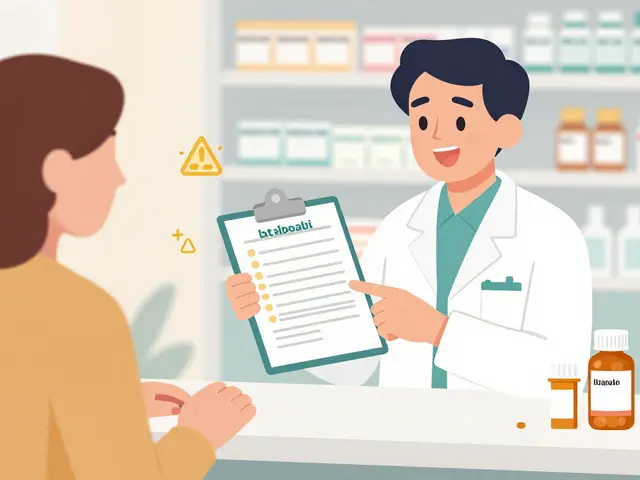
- Conduct Regular Brown Bag Reviews: Bring every single medication-including over-the-counter drugs, vitamins, and herbal supplements-to your next appointment. Put them all in a brown paper bag. Studies show this simple technique identifies an average of 2.8 unnecessary or duplicate medications per patient.
- Utilize Pharmacist-Led Management: Pharmacists are medication experts. Medicare Part D beneficiaries are entitled to annual comprehensive medication reviews. Data from 2020 shows that pharmacist-led management reduces hospital readmissions by 24% in Medicare patients. Ask your pharmacy if they offer clinical consultations.
- Use the STOPP/START Criteria: Healthcare providers should use these validated tools to identify potentially inappropriate prescriptions (STOPP) and missing indicated prescriptions (START). On average, these criteria identify 3.2 potentially inappropriate medications per older adult.
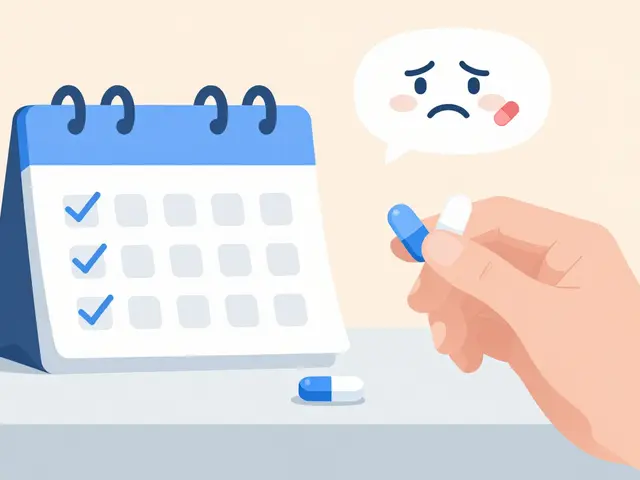
- Simplify Schedules: Complexity kills adherence. 68% of polypharmacy patients report difficulty adhering to regimens requiring medications at three or more different times daily. Work with your doctor to consolidate doses. Taking fewer pills once or twice a day is safer than taking many pills four times a day.
- Set Clear Goals of Care: Shift the focus from disease-oriented treatment to quality-of-life priorities. If a patient has limited life expectancy, aggressive blood pressure control may do more harm than good. Align medications with what matters most to the patient-mobility, clarity, comfort.
Navigating the Healthcare System
The current healthcare landscape makes polypharmacy management difficult. The U.S. Census Bureau projects that by 2030, 21% of the U.S. population will be aged 65+. Meanwhile, adults over 65 use 3.1 times more prescription medications than younger adults. The average number of prescriptions per person rose from 2.8 in 1988 to 5.8 in 2018.
Regulatory responses are emerging. The Centers for Medicare & Medicaid Services (CMS) launched the "Deprescribing for Better Outcomes" initiative in January 2023, providing funding to health systems to develop standardized protocols. Additionally, digital health innovations like the FDA-approved MedWise platform use pharmacogenomic data to predict individual medication interactions, showing a 41% reduction in adverse events in recent trials.
However, technology alone is not enough. Electronic health record alerts for drug-drug interactions currently have a 78% false alarm rate, leading to alert fatigue among clinicians. Human judgment remains essential. Interdisciplinary teams including physicians, pharmacists, and nurses achieve 32% greater medication optimization than solo practitioners.

Empowering Patients and Families
You play a critical role in your own safety. Only one-third of older adults specifically discuss healthcare decision-making priorities with their primary care physicians regarding medication management. You must bridge this gap.
Ask these questions at every visit:
- "What is this medication treating, and how will I know if it is working?"
- "Are there any non-drug alternatives we could try first?"
- "Can we stop or lower the dose of any medications I am currently taking?"
- "Do any of my medications interact with each other?"
- "Is this medication still necessary given my current health status?"
Financial burden is also a significant factor. 25% of seniors skip doses due to cost according to AARP 2022 data. Never hide this from your doctor. There are often generic alternatives or assistance programs available. Skipping doses creates unstable drug levels in your body, which can be dangerous.
Success stories abound. Programs like UCI Health's Health Assessment Program for Seniors (HAPS) identify an average of 4.2 inappropriate medications per patient during comprehensive consultations. Targeted deprescribing led to a 37% improvement in quality of life metrics. This proves that less can indeed be more.
Looking Ahead: Personalized Medicine
The future of polypharmacy management lies in personalization. We are moving away from quantity-focused definitions toward quality-focused "appropriate prescribing" metrics. The National Institute on Aging is funding longitudinal studies to establish evidence-based frameworks for older adults with multiple chronic conditions.
The emerging field of geropharmacogenomics promises to revolutionize care. By analyzing genetic profiles, doctors can predict how an individual will metabolize specific drugs. Early projections suggest this could reduce adverse drug events by 50% in genetically profiled patients. Instead of trial-and-error prescribing, we will move toward precision medicine tailored to biological aging rather than chronological age.
Until then, vigilance is your best defense. Regular reviews, open communication with your care team, and a willingness to question every pill on your regimen are the most powerful tools you have. Your health is worth the effort of managing these complexities proactively.
What is considered polypharmacy in elderly patients?
Polypharmacy is formally defined as the regular concurrent use of five or more medications. However, medical consensus emphasizes that it is not just a numerical issue but a complex phenomenon where the accumulation of medications leads to drug therapy problems, interactions, and toxicity, particularly in older adults whose bodies process drugs differently.
What are the biggest risks of taking multiple medications?
The primary risks include dangerous drug interactions, increased fall risk (accounting for 35% of ER visits in seniors), cognitive decline or dementia, gastrointestinal bleeding, delirium, and nonadherence due to complex schedules. Reduced liver and kidney function in older adults exacerbates these risks by slowing drug clearance.
What is deprescribing and is it safe?
Deprescribing is the systematic process of discontinuing or tapering medications when potential harms outweigh benefits. It is safe when done correctly under medical supervision. Studies show it can reduce adverse drug events by 22% and hospital admissions by 17%. It involves careful monitoring to manage withdrawal effects or symptom recurrence.
How can I prepare for a medication review with my doctor?
Perform a "brown bag review": bring all your medications, including over-the-counter drugs, vitamins, and supplements, in a bag to your appointment. Create a written list of all meds, dosages, and frequencies. Prepare questions about the purpose of each drug, potential side effects, and whether any can be stopped or simplified.
Which medications should seniors avoid according to the Beers Criteria?
The American Geriatrics Society Beers Criteria highlights several high-risk classes: benzodiazepines (fall risk), NSAIDs (GI bleeding/kidney risk), anticholinergics (dementia risk), opioids (fall/respiratory risk), and long-term proton pump inhibitors (fracture risk). These require careful evaluation and often have safer alternatives.
How often should elderly patients have their medications reviewed?
Medications should be reviewed at every care transition (e.g., hospital discharge) and at least annually during routine checkups. More frequent reviews are needed if new symptoms arise, new medications are added, or if the patient experiences side effects. Pharmacist-led annual reviews are recommended for Medicare beneficiaries.