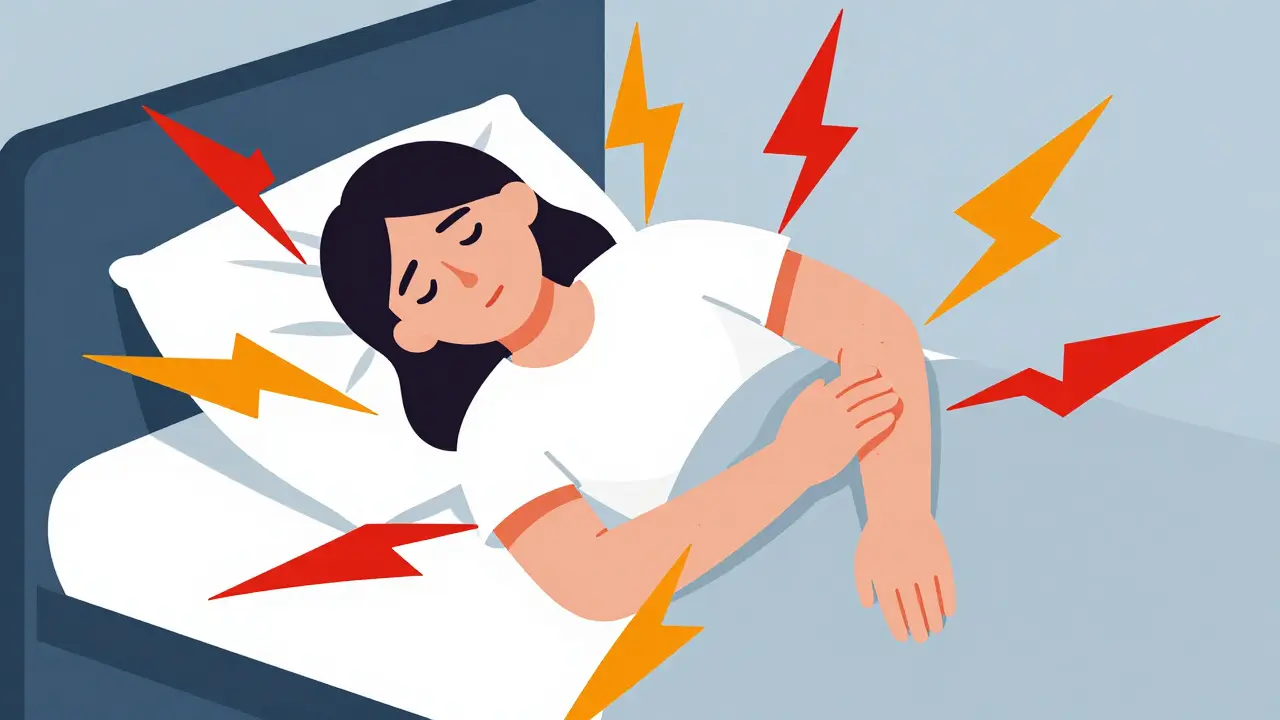
Imagine waking up every day feeling like you've been hit by a truck, but there's no bruise or broken bone to explain why. For millions of people, this isn't a bad dream-it's the daily reality of Fibromyalgia is a chronic pain disorder characterized by widespread musculoskeletal pain, fatigue, and cognitive difficulties, without a clear structural cause. It affects roughly 2-4% of people globally, and for reasons that still puzzle scientists, women make up the vast majority of cases. The real frustration? The pain isn't in one spot; it's a constant, dull ache that blankets both sides of the body, above and below the waist.
Why Your Doctor Might Suggest an Antidepressant for Pain
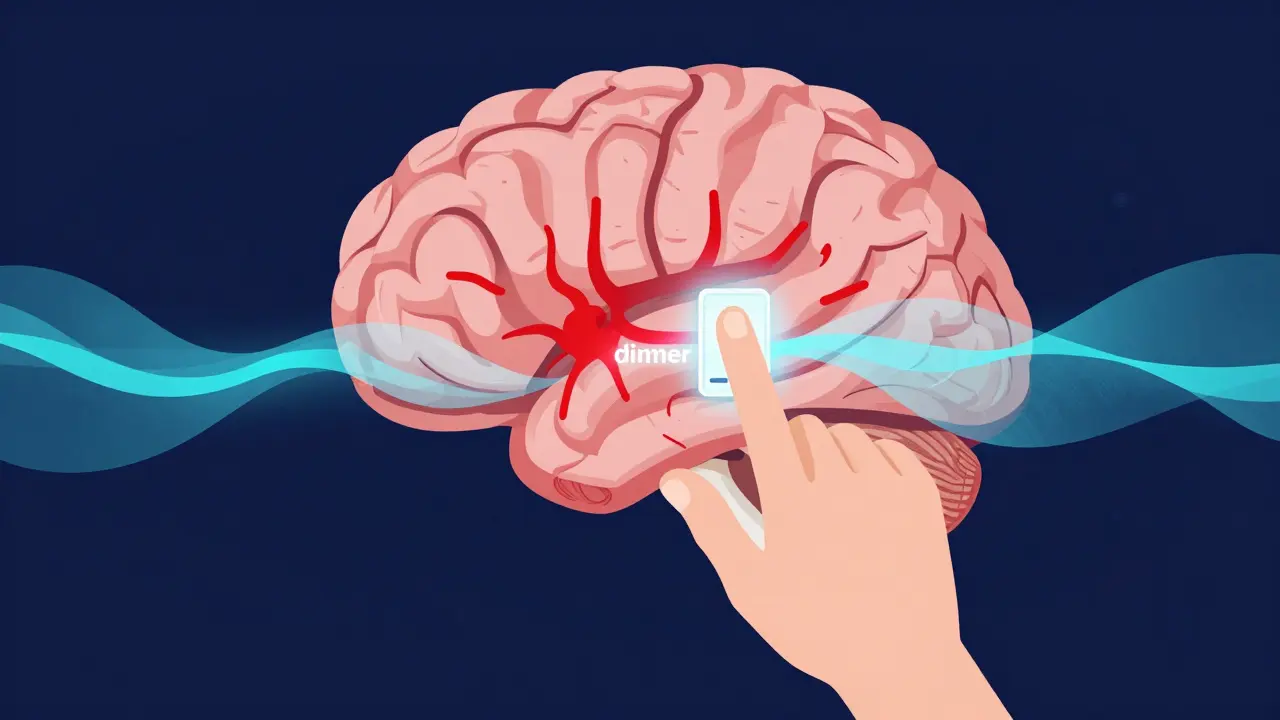
It sounds strange at first. If you aren't feeling clinically depressed, why on earth would a doctor prescribe an antidepressant? Here is the secret: these medications don't just change your mood; they change how your brain processes pain. In people with fibromyalgia, the central nervous system essentially "turns up the volume" on pain signals. This is called central sensitization. Antidepressants are used here to modulate neurotransmitters-specifically serotonin and norepinephrine-which act like a dimmer switch for those overactive pain signals in your spinal cord and brain.
The goal isn't to "cure" the condition, as there is no known cure, but to lower the pain intensity enough so you can actually get some sleep and move your body. When you're not fighting a constant battle with pain, those common "fibro fog" symptoms and mood swings often become much easier to manage.
The Main Players: Which Medications Actually Work?
Not all antidepressants are created equal. Depending on whether you struggle more with insomnia or daytime fatigue, your doctor will likely choose from a few specific classes. SNRIs (Serotonin-Norepinephrine Reuptake Inhibitors) and TCAs (Tricyclic Antidepressants) are the heavy hitters in this space.
TCAs: The Sleep Specialists
Medications like amitriptyline and nortriptyline are often the first choice for people who can't stay asleep. They are typically taken in very low doses at bedtime. While they are great for sleep architecture, they are notorious for causing a "cotton-mouth" feeling and morning grogginess.
SNRIs: The Daily Stabilizers
Drugs like
Duloxetine (Cymbalta) and
Milnacipran (Savella) are FDA-approved specifically for fibromyalgia. They tend to be better for those who need more energy during the day. Interestingly, milnacipran is often prescribed at doses much higher for pain than it would be for treating depression.
| Medication | Class | Primary Benefit | Common Side Effect | Typical Starting Dose |
|---|---|---|---|---|
| Amitriptyline | TCA | Deep sleep & pain reduction | Dry mouth, drowsiness | 5-10 mg |
| Duloxetine | SNRI | Widespread pain & mood | Nausea, sweating | 30-60 mg |
| Milnacipran | SNRI | Pain & daytime energy | Headache, constipation | 12.5-25 mg |
Managing Expectations: The "Waiting Game"
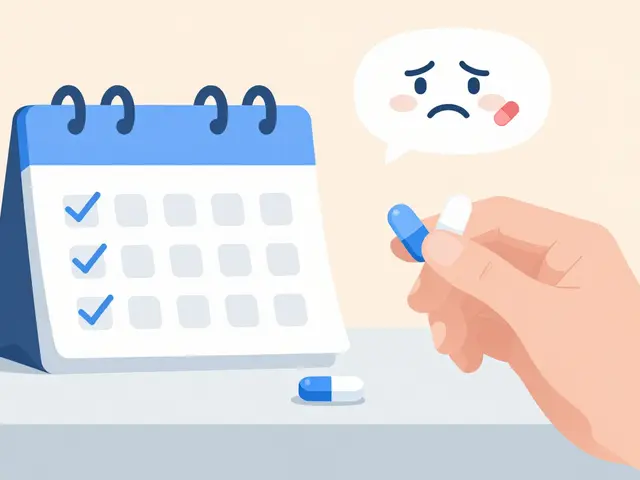
If you start one of these medications today, don't expect to wake up pain-free tomorrow. One of the biggest hurdles for patients is the latency period. These drugs don't work like ibuprofen; they have to physically rewire how your nerves communicate. It usually takes 4 to 6 weeks before you feel a meaningful difference, and sometimes up to 12 weeks to reach the full effect.
You should also know that these aren't magic bullets. Research shows that about 50% of people see a moderate improvement (defined as a 30% reduction in pain). Only about 10-20% of patients see their pain cut in half. Because the response is so individual, you might have to try one or two different types before finding the one that clicks with your chemistry.
The Balancing Act: Side Effects and Titration
The trick to making these meds work without wanting to quit is "low and slow." This is where titration comes in. Instead of jumping into a full dose, doctors often use the "3-3-3 rule"-starting with a tiny amount (like 3mg of amitriptyline) and increasing it slightly every few days. This gives your body time to adjust and reduces the chance of severe nausea or dizziness.
Many people find that taking their medication with a small snack helps settle the stomach. If you experience a brutal dry mouth or intense drowsiness, talk to your provider about adjusting the timing or the dose. Remember, the dose for pain is often much lower than the dose used for clinical depression, so you don't necessarily need a "psychiatric dose" to get the pain relief.

Beyond the Pill: The Multimodal Approach
Here is the truth: medication alone rarely solves fibromyalgia. The most successful patients use a multimodal approach. This means the antidepressant acts as the "floor"-it lowers the baseline pain and improves sleep-which then gives you the energy to do the things that actually provide long-term relief.
- Gentle Movement: Low-impact exercise like swimming or walking is consistently ranked as the most effective intervention.
- Stress Management: Since the brain is amplifying pain, calming the nervous system through mindfulness or therapy can actually lower the pain volume.
- Sleep Hygiene: Pairing a TCA with a strict bedtime routine can break the cycle of "pain causing insomnia, and insomnia causing more pain."
Think of the medication as a tool that opens the door, but the movement and lifestyle changes are what actually help you walk through it.
Will taking an antidepressant make me feel "zombie-like" or emotionally flat?
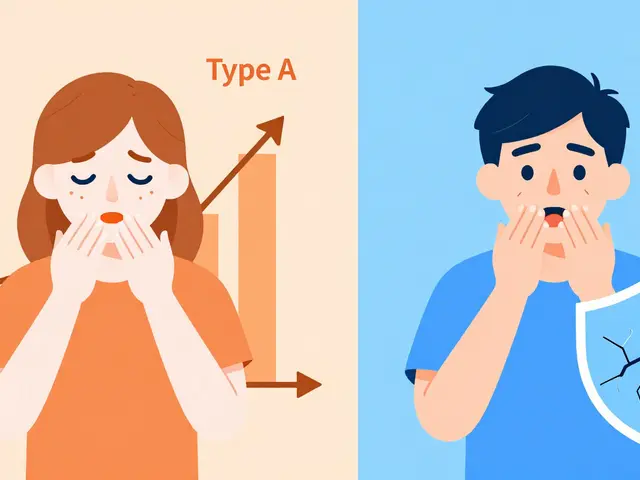
Some people report feeling emotionally blunt, especially with SNRIs like duloxetine. However, because the doses used for fibromyalgia pain are often different from those used for major depression, this effect varies. If you feel "flat," it's a sign the dose or the specific medication needs to be adjusted by your doctor.
I'm not depressed. Why am I taking a "depression drug"?
It's a common misunderstanding. These drugs are called antidepressants because of one of their uses, but their primary function in fibromyalgia is to regulate the chemicals (serotonin and norepinephrine) that block pain signals from reaching the brain. You are treating the nervous system's communication error, not necessarily a mood disorder.
What should I do if the side effects are too much?
Don't just stop taking the medication abruptly, as this can cause withdrawal symptoms. Instead, contact your doctor to discuss a slower titration schedule or a switch to a different class of medication. Many patients find that side effects like dry mouth or mild nausea fade after the first two weeks.
How long do I have to stay on these medications?
This varies by person. Some use them as a short-term bridge to get through a severe flare-up and start an exercise program, while others maintain a low dose for years to keep their pain levels manageable. A doctor will usually evaluate your response every 4-6 weeks to decide the long-term plan.
Are there safer alternatives if I can't tolerate antidepressants?
Yes. Anticonvulsants like pregabalin are also FDA-approved for fibromyalgia and work differently by calming overactive nerves. Additionally, non-drug therapies like cognitive behavioral therapy (CBT) and aquatic exercise are highly recommended first-line treatments.
Next Steps for Relief
If you're feeling overwhelmed by widespread pain, start by keeping a simple log of your symptoms for two weeks. Note when the pain is worst and how your sleep is affected. When you meet with your provider, bring this log and ask specifically about the different classes of antidepressants-TCAs if you can't sleep, or SNRIs if you're struggling with daytime fatigue. Be patient with the process, start with the lowest possible dose, and remember that the goal is progress, not perfection.





I really appreciate the breakdown of how these meds work. It's so hard when people think you're just 'sad' and don't get that the pain is a neurological glitch. Hang in there everyone.
probly just a way to keep us numb to the actual horrors of exisitence. why treat pain when you can just ignore it and pretend everythin is fine while your soul rots
Exactly!! Big Pharma just wants us hooked on these 'mood stabilizers' so we don't notice the real toxins they're pumping into the water supply. These 'FDA-approved' drugs are just tools for mass compliance and brain fog!
You're spot on. The whole 'central sensitization' thing is just a convenient label to hide the fact that they don't know why we're sick. It's all about the subscription model-keep the patient slightly better but never cured.
Oh wow, a 'multimodal approach'. How absolutely revolutionary! I'm sure walking in a pool is exactly what I needed while my body feels like it's being electrocuted 24/7. Simply groundbreaking stuff.
Actually, the thing about TCAs is that they aren't just for sleep; they're fundamentally different in how they block sodium channels. Most people miss that part, but it's why the dosage is so low compared to depression treatment. Just a friendly tip!
Too many words.
One must wonder if the spiritual void in our modern society is the true root of this... 'widespread pain'... Perhaps if we focused more on our chakras and less on chemically altering our neurotransmitters, the body would heal itself naturally!!!
Glad this is out there. Hope it helps people feel better! ☀️🙏
Listen, I've been through the ringer with these meds and let me tell you, the 'cotton-mouth' is an absolute nightmare! Like, I'm basically a human desert for three days a week! It's a total tragedy that we have to deal with this while just trying to stand up from a chair! Truly an epic struggle for the ages!
Keep pushing through the titration phase, everyone. It's a slow road but the light at the end is worth the wait.
It is truly encouraging to see a comprehensive guide like this. I am confident that with patience and the right medical guidance, many of you will find the relief you deserve. Stay positive!