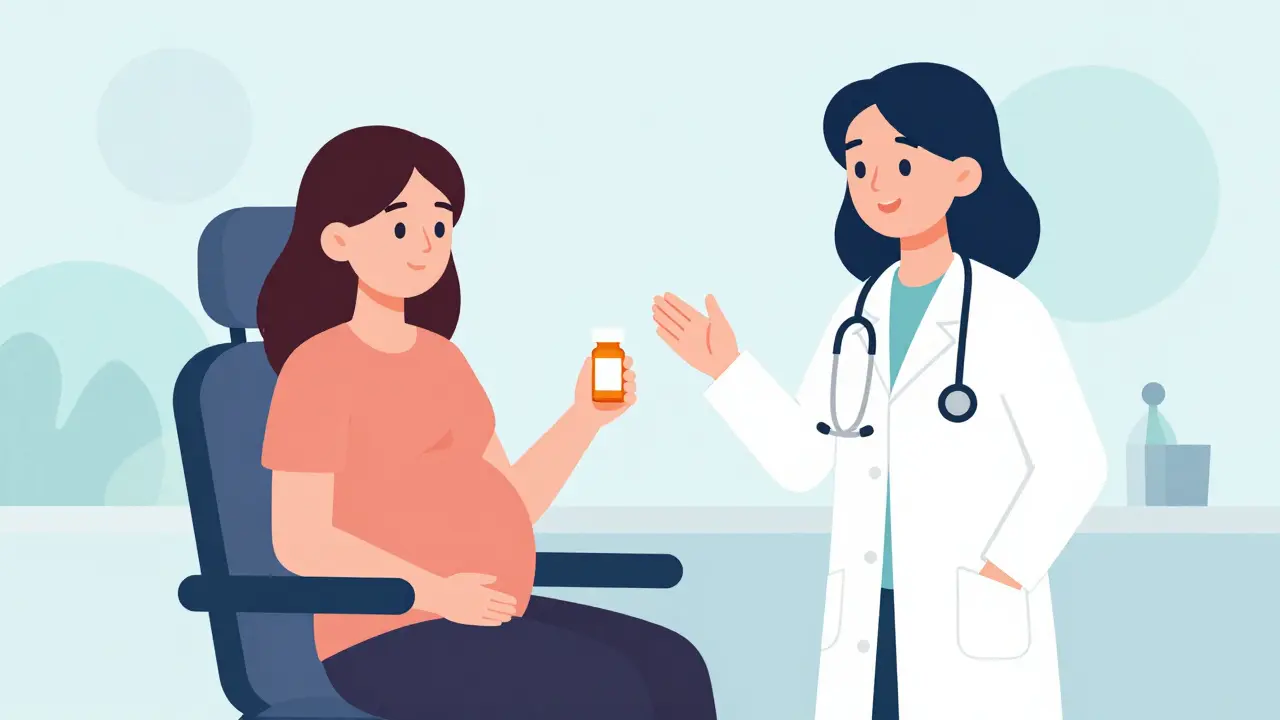
Pregnancy Antibiotic Safety Checker
Getting sick during pregnancy is stressful enough. But when your doctor prescribes an antibiotic, a new wave of anxiety often hits. Is this medicine safe for the baby? Will it cause birth defects? These are valid fears, rooted in history but often exaggerated by internet myths. The reality is that untreated bacterial infections pose a far greater risk to both you and your developing fetus than most approved antibiotics.
According to the Centers for Disease Control and Prevention (CDC), roughly 15-20% of pregnant people receive antibiotic prescriptions during their pregnancy. This makes understanding which drugs are safe, what side effects to expect, and how to manage them a critical part of prenatal care. This guide breaks down the evidence behind common pregnancy-safe antibiotics, highlights those you should avoid, and provides a clear framework for discussing these medications with your healthcare provider.
The Shift in How We Classify Drug Safety
To understand current guidelines, you first need to know that the old FDA letter categories (A, B, C, D, X) are gone. In 2015, the FDA replaced them with the Pregnancy and Lactation Labeling Rule (PLLR). Instead of a simple letter grade, drug labels now provide detailed narrative summaries of risks based on human data, animal studies, and pregnancy registries.
This change happened because the old system was too simplistic. It didn’t account for dosage, timing in pregnancy, or the severity of the infection being treated. Today, organizations like the American College of Obstetricians and Gynecologists (ACOG) and the CDC rely on extensive clinical data rather than broad labels. The goal is evidence-based decision-making: treating the mother’s infection effectively while minimizing any potential risk to the fetus.
Antibiotics Generally Considered Safe
Not all antibiotics are created equal when it comes to pregnancy. Some have decades of safety data showing no increased risk of birth defects. Here are the most commonly prescribed classes:
| Antibiotic Class | Common Examples | Primary Uses in Pregnancy | Safety Notes |
|---|---|---|---|
| Penicillins | Amoxicillin, Ampicillin | UTIs, Strep throat, Skin infections | Extensive safety data; cross placenta but no teratogenic risk found. |
| Cephalosporins | Cephalexin (Keflex) | Alternative for penicillin allergies | Safe in all trimesters; avoid ceftriaxone near delivery due to bilirubin concerns. |
| Clindamycin | Cleocin | Dental infections, Bacterial vaginosis | Safe profile; achieves 30-40% fetal concentration but no consistent harm reported. |
| Azithromycin | Zithromax | Chlamydia, Respiratory infections | Preferred macrolide; large studies show no increased risk of adverse outcomes. |
Penicillins, such as amoxicillin, are often the first line of defense. A massive 2018 study published in JAMA Internal Medicine analyzed over 134,000 pregnancies and found no increased risk of major congenital malformations associated with beta-lactam antibiotics (which include penicillins and cephalosporins). While these drugs do cross the placenta-reaching about 50% of maternal blood levels in the fetus-they have not been linked to developmental issues.
Azithromycin has become the go-to macrolide for pregnant patients. Unlike older macrolides, recent data from Obstetrics & Gynecology (2020) covering nearly 46,000 pregnancies showed no spike in negative outcomes. However, caution remains for other macrolides like erythromycin, which we’ll discuss next.
Antibiotics with Specific Trimester Warnings
Some antibiotics are safe at certain times but risky at others. Timing is everything here.
Nitrofurantoin (Macrobid) is a standard treatment for urinary tract infections (UTIs). UTIs are incredibly common in pregnancy, affecting up to 10% of women. Nitrofurantoin is generally avoided in the first trimester due to a small but noted increase in the risk of cleft lip/palate (a 2.4% absolute risk increase observed in some studies). It is also typically avoided near term (after 37 weeks) because it can cause hemolytic anemia in the newborn. However, for the second and third trimesters, it remains a preferred choice because it concentrates well in the urine and doesn’t transfer heavily to the fetus.
Metronidazole (Flagyl) is used for bacterial vaginosis and trichomoniasis. Historically, doctors avoided it in the first trimester due to theoretical mutagenicity seen in rodent studies at doses 50-100 times higher than human therapeutic levels. Current guidance from Brigham and Women’s Hospital suggests it is likely safe throughout pregnancy, especially topical forms, but many providers still prefer to wait until the second trimester for oral use unless the infection is severe. Untreated bacterial vaginosis carries a higher risk of preterm birth than the potential risk of the medication.
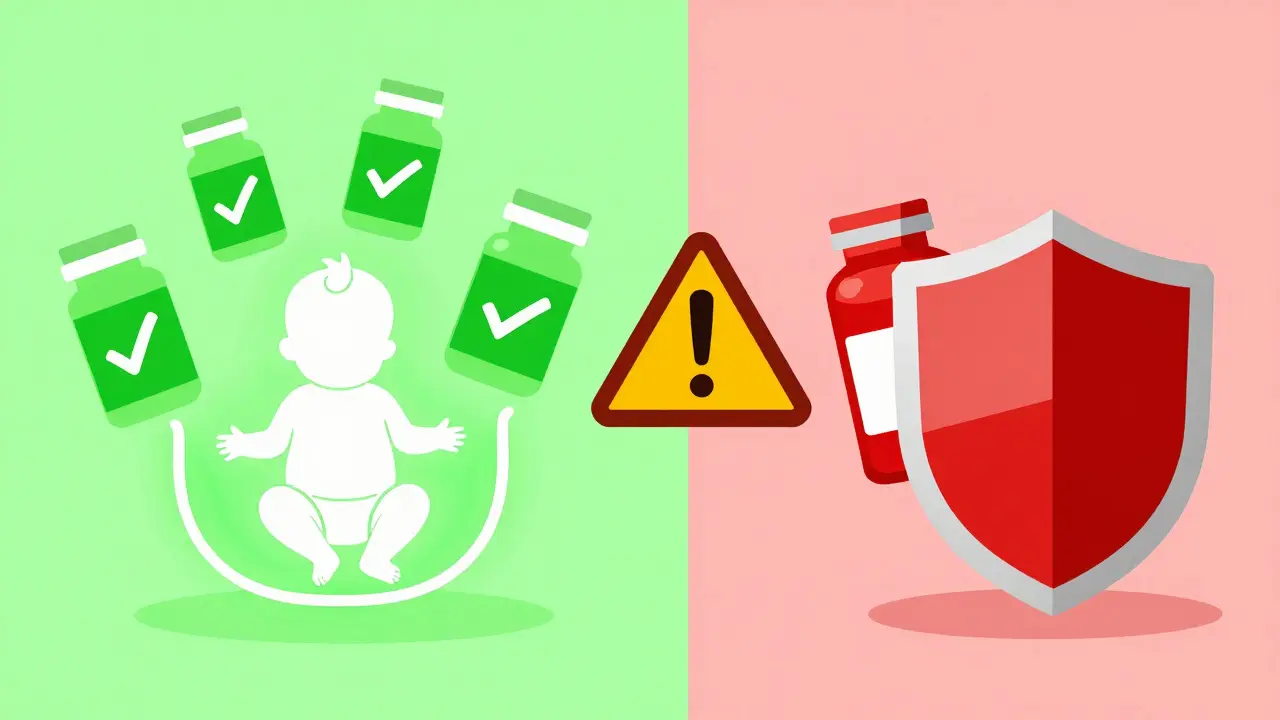
Antibiotics to Avoid During Pregnancy
Knowing what not to take is just as important as knowing what is safe. Certain classes of antibiotics have known risks that outweigh their benefits for routine infections.
- Tetracyclines (Doxycycline): These are strictly contraindicated after the fifth week of gestation. They bind to calcium in developing bones and teeth, causing permanent yellow-gray-brown tooth discoloration and inhibiting bone growth. If you are prescribed doxycycline for acne or Lyme disease, inform your doctor immediately if there is any chance you are pregnant.
- Sulfonamides (Bactrim/Septra): These carry a Category C rating overall. In the first trimester, they are associated with a 2.6-fold increased risk of neural tube defects. Near term, they can displace bilirubin, increasing the risk of kernicterus (brain damage from jaundice) in the newborn. They may be used in the second trimester if no safer alternatives exist.
- Aminoglycosides (Gentamicin): Reserved for serious, life-threatening infections only. They carry a risk of fetal ototoxicity (hearing loss). If used, strict blood level monitoring is required to keep peak levels below 8-10 mcg/mL and troughs below 1 mcg/mL.
- Erythromycin Estolate: Specifically linked to liver toxicity in pregnant women. Other forms of erythromycin are safer, but azithromycin is generally preferred.
Managing Common Side Effects
Even safe antibiotics come with side effects. For pregnant women, who may already deal with nausea and fatigue, managing these symptoms is crucial for adherence.
Gastrointestinal Distress: Nausea affects 15-20% of patients taking amoxicillin. Diarrhea ranges from 5-25% depending on the drug. To mitigate this:
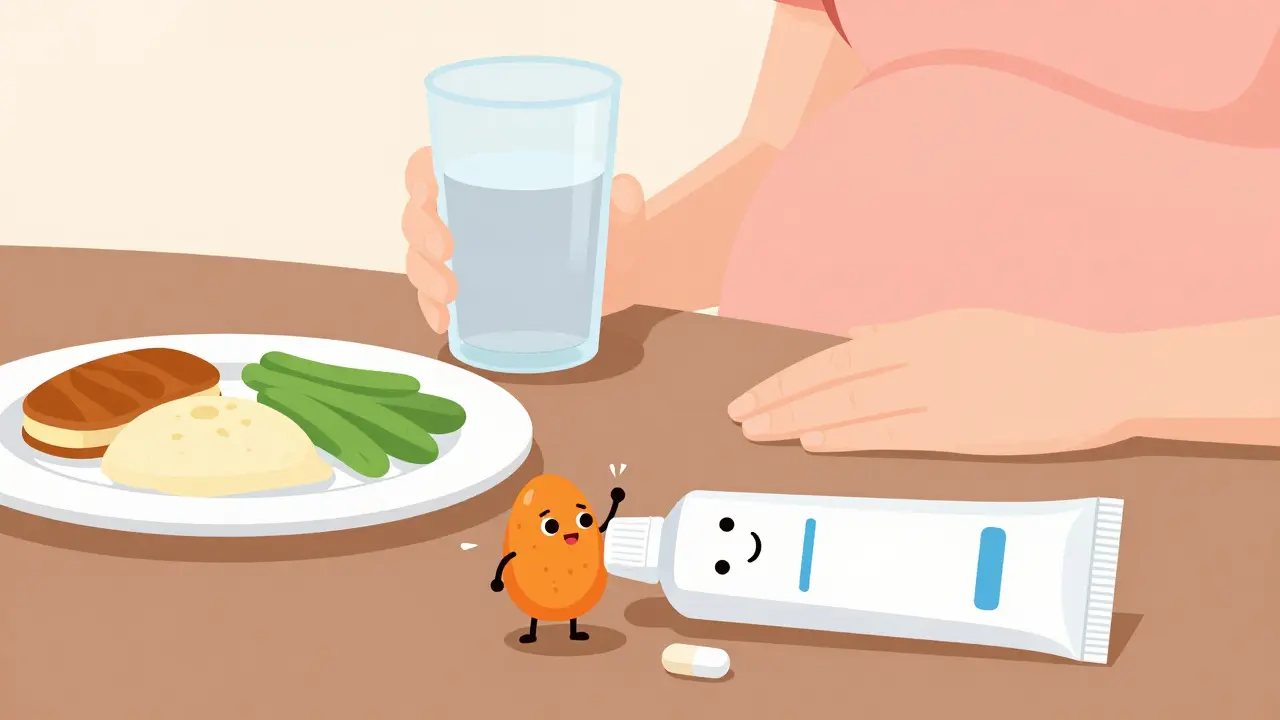
- Take penicillins with food to reduce stomach upset.
- Stay hydrated. Dehydration worsens pregnancy nausea.
- If diarrhea persists beyond 48 hours after finishing the course, contact your doctor. This could signal a Clostridioides difficile infection, which requires specific treatment.
Vaginal Yeast Infections: Antibiotics kill good bacteria along with bad ones, leading to yeast infections. If you develop itching or discharge, don’t panic. Over-the-counter antifungal treatments are generally considered safe during pregnancy, but always check with your provider before using anything new.
Patient Counseling: What to Discuss With Your Doctor
Effective communication between patient and provider reduces unnecessary discontinuation of antibiotics by 37%, according to a 2021 study in the Journal of Perinatal Medicine. Here is a checklist for your next appointment:
- Confirm the Diagnosis: Ask, "Is this definitely a bacterial infection?" Antibiotics do not work for viruses like colds or flu. Unnecessary prescribing contributes to antimicrobial resistance and exposes you to side effects for no benefit.
- Review Allergy History: Up to 90% of people who believe they are allergic to penicillin can actually tolerate it. If you have a true allergy, ensure your doctor knows the specifics (rash vs. anaphylaxis). This opens up safer options like penicillins instead of broader-spectrum alternatives.
- Discuss Timing: Ask, "Is this drug safe for my current trimester?" For example, nitrofurantoin is great in month four but risky in month one or nine.
- Plan for Side Effects: Ask, "What should I do if I get nauseous?" Having a plan helps you finish the full course, which is vital to prevent the infection from returning stronger.
- Understand the Risk of Non-Treatment: Remember that untreated pyelonephritis (kidney infection) increases preterm birth risk by 50-70%. Treating the infection is often the safest choice for the baby.
The Future of Antibiotic Safety Data
We still have gaps in our knowledge. Fewer than 30% of antibiotics prescribed during pregnancy have sufficient human data to definitively rule out rare risks. This is changing. The FDA issued guidance in 2023 encouraging pharmaceutical companies to include pregnant individuals in clinical trials. Additionally, the Eunice Kennedy Shriver National Institute of Child Health and Human Development (NICHD) launched the AMRIP initiative in 2024, funding a study of 15,000 pregnancies to track long-term outcomes of antibiotic exposure.
Until then, clinicians rely on existing registries and large cohort studies. The consensus among experts like Dr. Yvonne Butler Tobah at Mayo Clinic is clear: when an antibiotic is necessary, prescribe the safest medicine in the lowest effective dose. Don’t let fear of medication stop you from treating a serious infection. Work with your provider to choose the right tool for the job.
Is Amoxicillin safe during all trimesters of pregnancy?
Yes. Amoxicillin is widely considered safe throughout all three trimesters. Large-scale studies involving over 134,000 pregnancies have shown no increased risk of major birth defects. It is a first-line treatment for many common infections like strep throat and urinary tract infections.
Can I take Doxycycline if I am pregnant?
No. Doxycycline and other tetracyclines are contraindicated after the fifth week of pregnancy. They can cause permanent discoloration of the baby's teeth and inhibit bone growth. If you are prescribed this medication, consult your doctor immediately if you suspect you might be pregnant.
Why is Nitrofurantoin avoided in the first trimester?
Some studies suggest a small increased risk of cleft lip or palate when Nitrofurantoin is used in the first trimester. However, it is often the preferred treatment for uncomplicated UTIs in the second and third trimesters because it does not transfer significantly to the fetus and is highly effective against common UTI bacteria.
What should I do if I have a penicillin allergy?
Inform your doctor immediately. Many people who think they are allergic to penicillin are not truly allergic. If you have a confirmed severe allergy, your provider may prescribe alternatives like Clindamycin or Azithromycin, which have strong safety profiles in pregnancy.
Does taking antibiotics increase the risk of preterm birth?
Appropriate antibiotic use actually reduces the risk of preterm birth when treating conditions like bacterial vaginosis. Research shows that treating these infections can lower preterm birth risk by 17% in high-risk populations. The danger lies in leaving bacterial infections untreated, not in taking the prescribed medication.




they want you to think its safe but the data is always skewed by pharma funding. untreated infection risk? sure. but what about the long term neurodevelopmental impacts they dont track because the study ends when the baby is born. big pharma doesnt care about your child in 10 years.
Oh, please. The FDA guidelines are meticulously crafted to protect maternal and fetal health based on rigorous clinical trials! It is absolutely imperative that one adheres to these evidence-based protocols rather than listening to fringe conspiracy theories. Ignoring medical advice is not only dangerous but also morally reprehensible to the developing life within you! One must respect the scientific consensus!!
rigorous trials? on pregnant women? no. mostly animal studies and observational data with huge confounders. they just guess and hope for the best while collecting money.
As a pharmacist, I can confirm that the PLLR update was a significant improvement over the old letter categories. The narrative summaries allow for nuanced risk assessment based on trimester and dosage. For example, nitrofurantoin's avoidance in the first trimester is due to specific teratogenic signals in epidemiological data, not just theoretical risk. Patients should discuss their specific history with their provider rather than relying on internet anecdotes.
This is such a relief to read! I was so scared when I got a UTI at 20 weeks. My doctor prescribed Macrobid and told me it was the standard of care for second-trimester infections. Knowing that it concentrates in the urine and doesn't transfer heavily to the baby helped me relax enough to actually take the meds. Thanks for breaking this down!
The epistemological shift from categorical labeling to narrative risk assessment represents a maturation of pharmacovigilance paradigms. However, the reliance on post-marketing surveillance data introduces inherent biases. We must critically evaluate the power of these cohort studies. The 134,000 pregnancy dataset cited is robust, yet we must consider the heterogeneity of the sample population. Is the generalizability of these findings across diverse genetic backgrounds adequately addressed? The interplay between host genetics and drug metabolism enzymes like CYP450 variants could significantly alter fetal exposure levels, potentially masking adverse outcomes in aggregate data. We need more stratified analyses.
Indeed, the ontological status of 'safety' in pharmacology is often conflated with statistical non-significance of harm. This is a category error. The absence of evidence for teratogenicity is not evidence of absence, particularly for rare events. The precautionary principle should guide our ethical framework here. Yet, the utilitarian calculus of treating pyelonephritis outweighs the probabilistic risk of antibiotic exposure. It is a dialectic tension between immediate physiological threat and potential developmental anomaly. We must navigate this with philosophical rigor, acknowledging the limits of our empirical knowledge while acting on the most probable outcomes derived from current meta-analyses.
omg thank u so much for posting this!! i was freaking out bc my doc gave me amoxicillin for a sinus infection and i kept googling it and seeing scary stuff. reading that it has decades of safety data makes me feel soo much better. im gonna take it with food like u said to help with the nausea. ur a lifesaver!!!
I appreciate the clarity here. It's important to remember that everyone's medical journey is unique. If anyone is unsure about an allergy claim, getting tested can really open up safer options like penicillins instead of broader-spectrum drugs. It's about having an open dialogue with your healthcare team to find what works best for you and your baby.
Great summary.