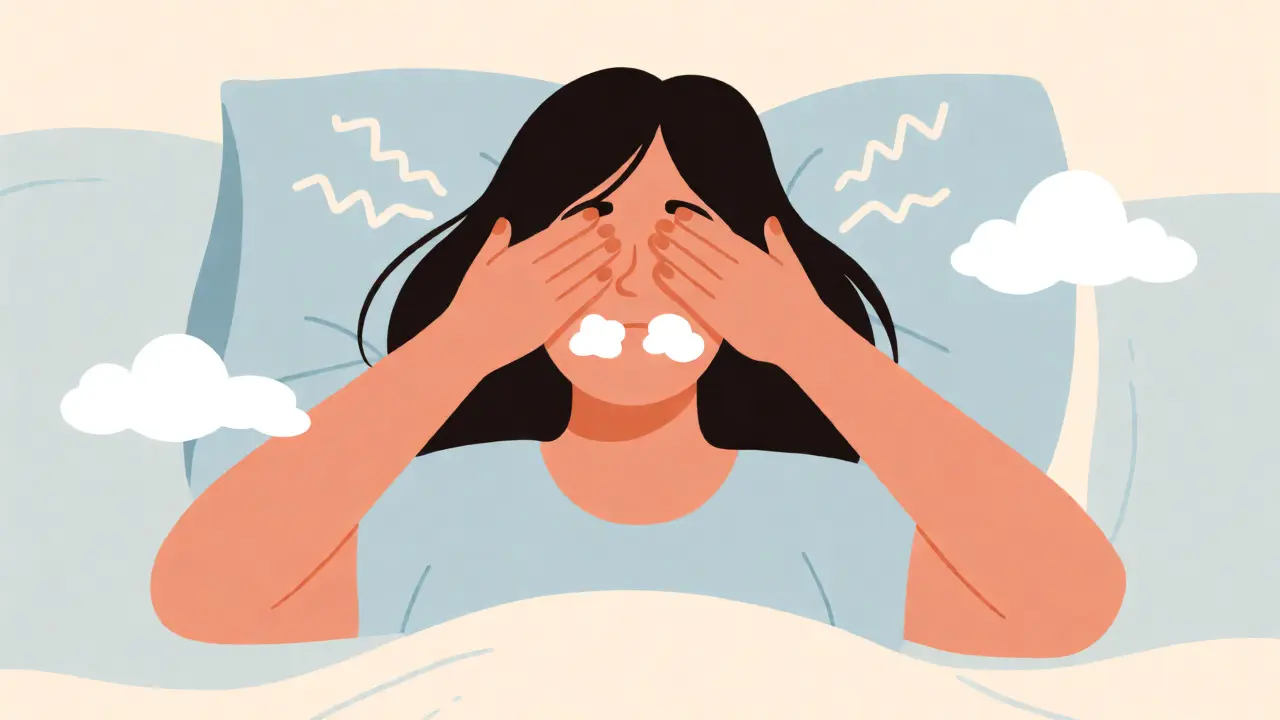
You wake up with sand in your eyes. Not actual sand, but that gritty, burning sensation that makes blinking painful. You reach for water to swallow a piece of toast, but your mouth feels like cotton wool. You blame it on age, allergies, or maybe just not drinking enough water. But what if it’s neither? What if your immune system has turned against the very glands designed to keep you moist?
This is Sjögren’s Syndrome, a chronic autoimmune disorder where the body mistakenly attacks its own moisture-producing glands. First described by Swedish ophthalmologist Henrik Sjögren in 1933, this condition affects roughly 4 million Americans, with about 90% of cases occurring in women, typically diagnosed between ages 45 and 55. It’s often called the "great imitator" because its symptoms mimic so many other conditions, leading to an average diagnostic delay of 2.8 years. If you’re tired of being dismissed as "just dehydrated," understanding this disease could change everything.
More Than Just Dryness: The Systemic Reality
Most people hear "dry eyes and dry mouth" and think it’s a minor inconvenience. Think again. While xerophthalmia (dry eyes) and xerostomia (dry mouth) are the hallmark signs, Sjögren’s is a systemic disease. It doesn’t stay confined to your face. According to Johns Hopkins experts, it can damage internal organs, cause extreme fatigue, and trigger joint pain. In fact, about 70% of patients report fatigue so severe it doesn’t resolve with rest. This isn’t just about needing more eye drops; it’s about your quality of life plummeting.
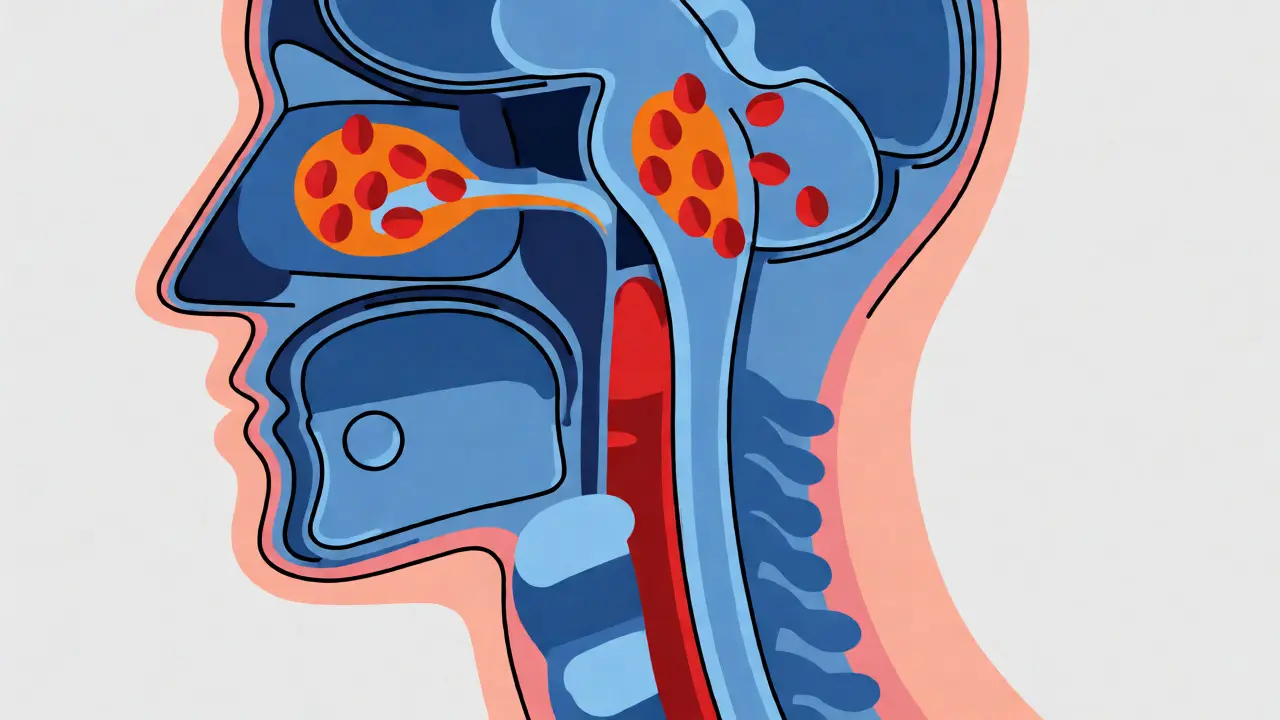
The disease comes in two flavors. Primary Sjögren’s occurs alone, while Secondary Sjögren’s shows up alongside other autoimmune disorders like rheumatoid arthritis or lupus. About 30-50% of cases fall into this secondary category. Regardless of type, the mechanism is the same: your white blood cells infiltrate the lacrimal (tear) and salivary glands, causing inflammation that destroys their ability to produce fluid. Over time, this damage becomes permanent, which is why early detection matters so much.
Recognizing the Red Flags Beyond Dryness
If you only look for dryness, you’ll miss half the picture. The American College of Rheumatology highlights several critical symptoms that often go unconnected to Sjögren’s:
- Joint Pain: 30-50% of patients experience muscle and joint pain. Unlike rheumatoid arthritis, this pain is usually less destructive to joint structure but still debilitating.
- Brain Fog: Cognitive difficulties, including trouble finding words or concentrating, affect many patients. One patient noted colleagues thought they were incompetent during meetings, when really they were battling fatigue-induced brain fog.
- Skin Issues: Up to 20% develop dry, itchy skin or specific rashes on hands and feet.
- Nerve Problems: 10-15% suffer from numbness or tingling in extremities due to neuropathic involvement.
- Lung Involvement: A persistent dry cough affects about 25% of patients, signaling pulmonary issues.
Vaginal dryness also impacts approximately 50% of female patients, significantly affecting intimacy and social confidence. Yet, it’s rarely discussed openly, leaving many feeling isolated. The variability is staggering-some days you feel fine, other days simple tasks like eating a sandwich become a chore requiring multiple glasses of water.
Why Diagnosis Takes So Long
Here’s the frustrating truth: most doctors don’t think of Sjögren’s first. A Reddit user shared visiting four different doctors over three years-one blamed allergies, another acid reflux, and a dentist suggested better hydration. MedlinePlus reports that 68% of patients see three or more physicians before getting an accurate diagnosis.
To diagnose Sjögren’s, specialists need objective proof, not just complaints. The criteria set by the American College of Rheumatology and European League Against Rheumatism require a combination of factors:
| Test | What It Measures | Positive Result Threshold |
|---|---|---|
| Schirmer’s Test | Tear production using filter paper strips | < 5mm wetting in 5 minutes |
| Salivary Flow Rate | Unstimulated saliva output | < 1.5mL in 15 minutes |
| Autoantibody Blood Test | Presence of anti-SSA/Ro and anti-SSB/La antibodies | Present in 60-70% of cases |
| Labial Salivary Gland Biopsy | Lymphocytic infiltration in minor salivary glands | Focal lymphocytic sialadenitis with focus score ≥1 |
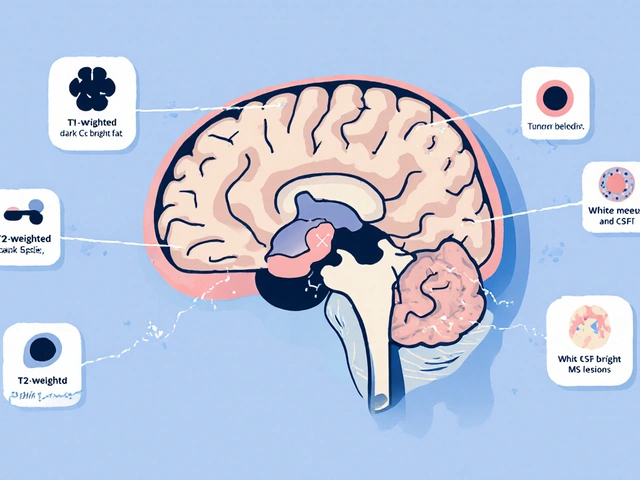
Recent advances include salivary gland ultrasound, which boasts 85% sensitivity and 92% specificity, offering a non-invasive alternative to biopsy. If your doctor dismisses your symptoms without running these tests, ask for a referral to a rheumatologist.
Managing the Invisible Symptoms
There’s no cure yet, but management strategies have improved. Treatment focuses on relieving symptoms and preventing complications. For dry eyes, preservative-free artificial tears used 8-10 times daily are standard. For dry mouth, prescription medications like pilocarpine (5mg three times daily) or cevimeline stimulate saliva production. Clinical studies show 60-70% of patients see moderate improvement with these drugs.
Dental care becomes critical. With saliva gone, your teeth lose their natural protection against bacteria. Patients face a 5-10 times higher risk of cavities. Most dentists recommend check-ups every 3-4 months instead of the usual six. Fluoride treatments and high-fluoride toothpaste become non-negotiable.
Systemic symptoms might require hydroxychloroquine, prescribed for 40-50% of patients with joint pain, though only 30-40% find significant relief. Lifestyle tweaks help too: using humidifiers at home (keeping humidity at 40-60%), avoiding dry foods, and staying hydrated. Many patients turn to complementary therapies like omega-3 supplements, which 52% use to combat inflammation.

The Serious Risks: Lymphoma and Organ Damage
While 90% of patients have a normal life expectancy, Sjögren’s carries a serious long-term risk: non-Hodgkin lymphoma. Your lifetime risk jumps to 4-5%, compared to 0.5% in the general population. This happens because the constant immune activation can lead to abnormal cell growth in the salivary glands or other tissues.
Regular monitoring is essential. Swelling in the salivary glands, especially if it’s one-sided and persistent, needs immediate evaluation. Research published in the Journal of Autoimmunity suggests that with proper management, quality of life remains 30-40% lower than age-matched controls, largely due to fatigue and pain. Acknowledging this mental health toll is vital-42% of patients report depression symptoms, far above the general population’s 8.4% rate.
Hope on the Horizon: New Treatments
Science is catching up. In June 2023, the FDA approved Efgartigimod (Vyvgart Hytrulo), the first new treatment in 20 years. Phase 3 trials showed a 35% improvement in dry mouth symptoms compared to placebo. Meanwhile, the NIH launched the Sjögren’s Precision Medicine Network to tailor treatments based on biomarker profiles. Dr. R. Hal Scofield identified a T-cell receptor signature present in 78% of primary Sjögren’s patients, potentially revolutionizing early diagnosis.
These developments signal a shift from merely treating symptoms to targeting the disease’s root causes. If you’ve been struggling with invisible symptoms, know that recognition is growing. Awareness campaigns have increased diagnosis rates by 15% annually over the past five years. Don’t let the wait discourage you; advocate for yourself, seek a specialist, and explore the emerging therapies that offer real hope.
Can Sjögren’s Syndrome be cured?
Currently, there is no cure for Sjögren’s Syndrome. Treatment focuses on managing symptoms, such as using artificial tears for dry eyes and saliva substitutes or prescription medications for dry mouth. Ongoing research aims to develop therapies that target the underlying autoimmune mechanisms, but today's goal is to maintain quality of life and prevent complications like dental decay or organ damage.
Who is most likely to get Sjögren’s Syndrome?
Sjögren’s primarily affects women, accounting for about 90% of all cases. The typical age of diagnosis is between 45 and 55 years old, though it can occur at any age, including in children (though rare). People with other autoimmune diseases, such as rheumatoid arthritis or lupus, are at higher risk for developing secondary Sjögren’s.
Does Sjögren’s Syndrome shorten life expectancy?
For most patients, Sjögren’s does not significantly shorten life expectancy. Approximately 90% of patients live a normal lifespan. However, the condition increases the risk of developing non-Hodgkin lymphoma (4-5% lifetime risk vs. 0.5% in the general population) and can severely impact quality of life due to chronic fatigue and pain. Regular medical monitoring is crucial to manage these risks.
How is Sjögren’s Syndrome diagnosed?
Diagnosis involves a combination of symptom assessment and objective tests. Key methods include the Schirmer’s test to measure tear production, salivary flow rate tests, blood tests for autoantibodies (anti-SSA/Ro and anti-SSB/La), and sometimes a lip biopsy of minor salivary glands. Ultrasound of the salivary glands is also becoming a valuable diagnostic tool.
Can stress make Sjögren’s worse?
Yes, stress can exacerbate symptoms. While stress doesn't cause Sjögren’s, it can trigger flares or worsen existing symptoms like fatigue and pain. Managing stress through relaxation techniques, adequate sleep, and gentle exercise can help reduce the severity of symptom cycles.



It’s frustrating how often this gets dismissed as just aging or dehydration. I’ve seen friends struggle with the fatigue and joint pain for years before anyone connected it to Sjögren’s. The systemic nature of it is really underrated in public discourse.
Finally someone admits that modern medicine is a joke when it comes to autoimmune stuff. They sit on their hands while patients rot because some doctor didn't want to order a simple blood test. It's incompetence masked as caution, pure and simple. If you don't fight for yourself, you get nothing from these institutions. Wake up people, they are not looking out for your best interests.
Oh, the joy of being told you're just "tired" when your immune system is literally eating itself. But hey, at least we know now, right?
The diagnostic delay is tragic, but awareness is growing, even if it feels like crawling through molasses sometimes. Keep pushing, folks.
You mention the 2.8 year delay but fail to address why rheumatologists are gatekeeping so hard. Is it insurance denial or genuine ignorance? Because if it's the latter, we need better medical school curricula immediately. The biopsy criteria seem archaic compared to ultrasound sensitivity rates cited. Why aren't more clinics adopting the non-invasive route first?
I appreciate the breakdown of secondary vs primary cases. So many people don't realize they can have RA and Sjögren's simultaneously. It helps to validate that the dryness isn't just a side effect of meds, but part of the disease process itself. That distinction matters for treatment plans.
From an immunological perspective, the infiltration of lymphocytes into exocrine glands is fascinating yet devastating. The pathophysiology involves complex cytokine dysregulation, particularly involving B-cell hyperactivity which explains the elevated risk of lymphoproliferative disorders. While Efgartigimod represents a significant leap in FcRn blockade therapy, the heterogeneity of patient responses suggests that personalized biomarker profiling will be essential for future therapeutic success. We are moving away from one-size-fits-all approaches toward precision medicine, which is long overdue in rheumatology.
contrarian take here but honestly most people complaining about dry eyes just have screen fatigue or allergies sjogrens is rare enough that self diagnosis leads to unnecessary anxiety and expensive tests
Good overview. Early detection saves teeth.
the mental toll is real though... feeling invisible while your body betrays you is such a heavy burden to carry alone... sending love to everyone navigating this storm 🌧️✨