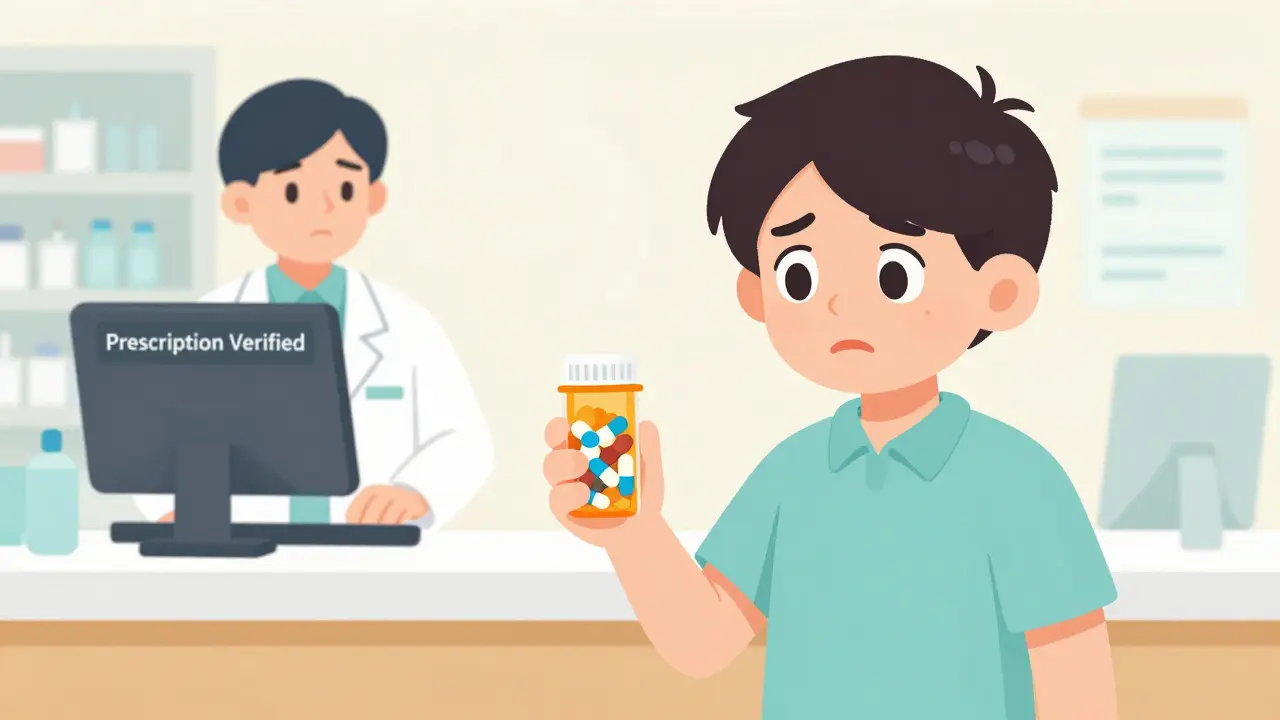
If you open your pill bottle and the tablets don’t look right - different color, shape, size, or just not what your doctor prescribed - stop. Don’t take it. Don’t toss it. Don’t pretend it’s fine. A pharmacy error isn’t just a mistake; it’s a potential medical emergency.
Stop Taking the Medication Immediately
The first thing you do when you realize something’s wrong? Don’t swallow another pill. Even if you feel fine, the wrong drug can cause harm hours or days later. Some medications look nearly identical - a blue oval might be blood pressure medicine one day and antidepressant the next. One wrong pill can trigger dizziness, rapid heartbeat, nausea, or even seizures. You don’t need to wait for symptoms to act. If the medication doesn’t match your prescription, treat it like a live wire: don’t touch it again.Contact Your Doctor Right Away
Call your prescribing doctor the moment you spot the error. Don’t wait until your next appointment. Tell them exactly what you received: the name on the label, how the pills look, and what you were supposed to get. Your doctor may need to adjust your treatment plan, run blood tests, or send you to the ER. If you took even one dose of the wrong drug, your doctor needs to know. They’ll check for interactions, side effects, or hidden risks. In some cases, they’ll order an emergency lab panel to see how your body reacted. Don’t assume they’ll catch it on their own - you’re the only one who saw the bottle.Go Back to the Pharmacy - But Don’t Just Talk to the Clerk
Walk back to the pharmacy where you got the medication. Ask to speak with the head pharmacist or manager. Don’t settle for the person who handed you the bag. They’re often under pressure, short-staffed, and may not fully understand the gravity of the error. The head pharmacist has access to the full record: the original prescription, the filling log, and the verification steps. Tell them what happened. Ask them to pull up the prescription file and compare it to what was dispensed. Record the name of the pharmacist you speak with, the time, and what they said. Write it down. If they offer to replace the medication, say yes - but only after you’ve kept the original bottle and pills.Preserve Every Piece of Evidence
Do not return the wrong medication. Do not throw it away. Do not flush it. Keep the bottle, the pills inside, the original receipt, the prescription label, and the pharmacy bag. Take clear photos of the pills next to the label. If you have the original prescription from your doctor, keep that too. Video is even better - record yourself holding the bottle, reading the label, and saying out loud what you were supposed to get. This isn’t about blaming anyone. It’s about protecting yourself. If you end up needing medical care because of the error, or if you decide to pursue legal action, this evidence is critical. Studies show that claims with photographic proof are 92% more likely to succeed. A video can boost settlement offers by 37%.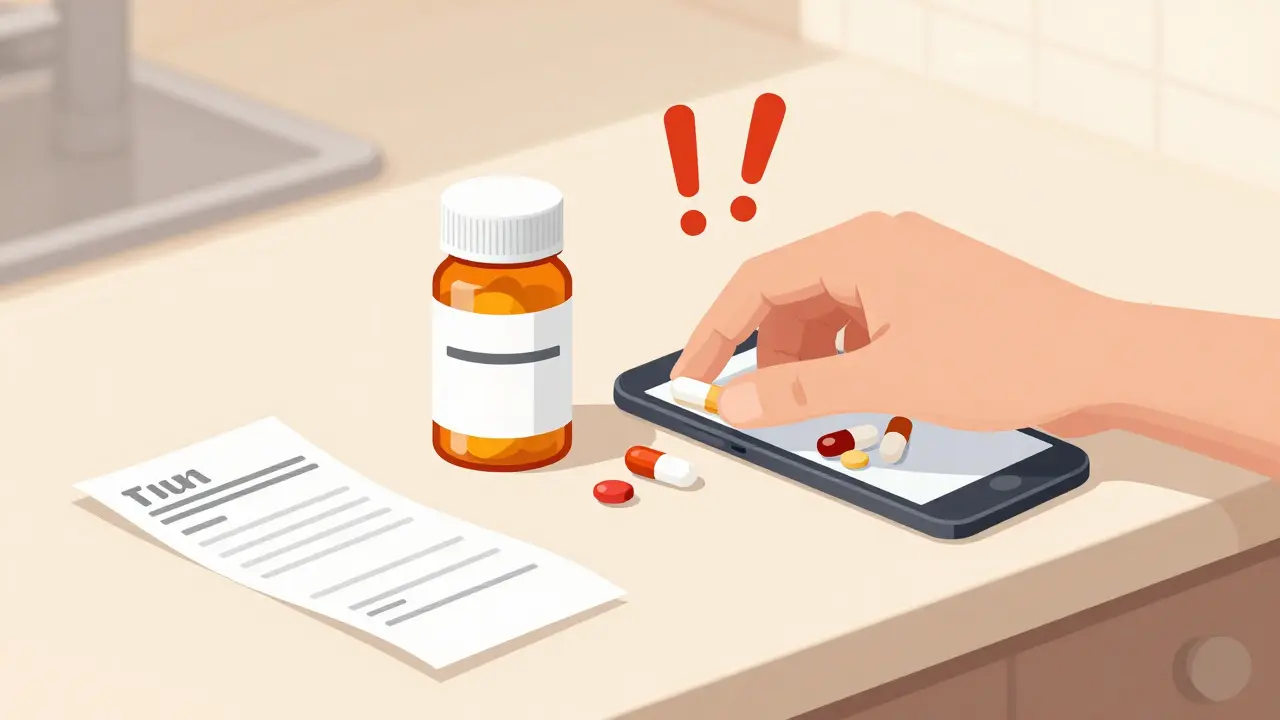
Seek Emergency Care If You Feel Unwell
If you’ve already taken the wrong medication and you feel dizzy, nauseous, short of breath, confused, or your heart is racing - don’t wait. Call 911 or go to the nearest emergency room. Some medications, like insulin or blood thinners, can cause irreversible damage within minutes. Even if you think it’s "just a little off," your body might be reacting in ways you can’t see. Emergency staff can run tests to detect toxic levels, reverse side effects, or monitor for delayed reactions. Tell them exactly what you took, when, and that it was dispensed by a pharmacy. This changes how they treat you. Don’t downplay it. Say: "I was given the wrong medication. I’m worried it’s dangerous."Report the Error - To the Right Places
Pharmacies are required to report errors, but they often don’t. That’s why you need to report it too. File a report with the Institute for Safe Medication Practices (ISMP) - they run a confidential system that’s helped reduce errors for over 30 years. You can also report to your state’s board of pharmacy. In many states, including Georgia and California, this is mandatory for pharmacies, but not for patients. Your report helps track patterns and forces change. The FDA’s MedWatch program also accepts reports - over 92,000 were filed in 2022 alone. Less than 15% of errors are ever reported, so your voice matters. Don’t assume someone else will do it.Understand Your Legal Rights
A pharmacy error is not just an accident - it’s a form of medical negligence. If you suffered harm, you may have a legal claim. The average settlement for pharmacy errors ranges from $50,000 to $500,000. In extreme cases - like permanent disability or death - verdicts have exceeded $10 million. You don’t need to file a lawsuit right away, but you need to protect your rights. Don’t give a recorded statement to the pharmacy’s insurance company. Don’t sign anything they hand you. Don’t accept a "goodwill" gift like a free prescription without legal advice. These are often traps to limit your future claims. If you’re unsure, contact a lawyer who specializes in medical malpractice. Most offer free consultations. The statute of limitations varies by state - in Georgia, it’s two years from when you discovered the error. Don’t wait until it’s too late.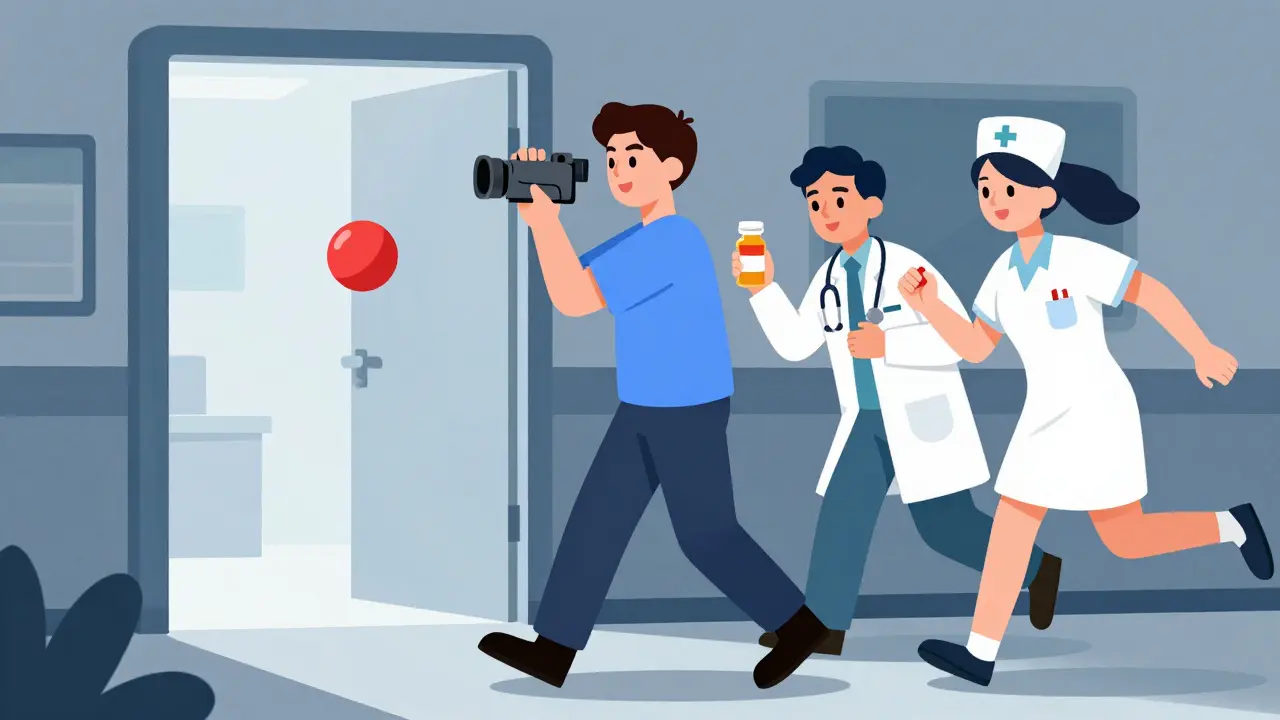




I knew it! The pharmacy is part of the big pharma mind control network. They swap your meds so you stay dependent. I saw a guy on YouTube who said his blood pressure pills turned into antidepressants after the new barcode system went live. They’re testing serotonin manipulation on us. I took a photo of my pills and sent it to the FDA. They haven’t replied yet. That’s because they’re all in on it.
Oh, sweet mercy - you think this is bad? Wait till you find out the pills they give you are laced with microchips disguised as talc! I read a leaked memo from a whistleblower at CVS - they’re using the wrong-pill scheme to track your biometrics through your GI tract. The label says 'Lisinopril' but the real ingredient is RFID ink. They’re building a health surveillance grid. Don’t swallow. Don’t even look at it sideways. Burn the bottle. Burn the receipt. Burn your phone if you took a pic. They’re watching.
There’s a deeper metaphysical failure here - we’ve outsourced our bodily autonomy to corporate ritual. The pharmacy is a temple of bureaucratic indifference, and we bow before it with blind trust. We don’t question because we’ve been taught that expertise is sacred. But expertise is just a mask for profit. The pill isn’t wrong - *we* are wrong for accepting it without resistance. The system doesn’t make mistakes. It manufactures compliance. And we are the raw material.
I’ve worked in a pharmacy for 12 years. The pressure is insane. We’re supposed to fill 150 prescriptions an hour, double-check every one, and still smile. Most errors happen because someone scanned the wrong bottle - not because they’re lazy. I’ve seen pharmacists cry after a mix-up. We’re not monsters. We’re overworked. But you’re right - check your meds. Ask. Take a second. It’s not rude. It’s smart. And if you’re worried? Bring your list. We’ll help you. We really will.
This is such an important post. I’m so glad you shared this. People need to know they’re not alone if this happens. I once got the wrong antibiotic and thought I was just feeling weird - turned out I was having an allergic reaction. I didn’t know what to do until I called my doctor. You did exactly the right thing by speaking up. Keep being loud. Keep being careful. You’re helping so many people just by sharing this.
Interesting how you treat pharmacy errors like some rare tragedy - in India, we just take the pills and pray. No lawyers, no photos, no reports. The pharmacy guy says 'this one works too' and we nod. But honestly? Your entire system is a circus. You have 92,000 FDA reports? That’s because you’re obsessed with paperwork, not prevention. We don’t need a 10-step protocol. We need cheaper meds and less bureaucracy. Also, your '92% success rate with photos' - that’s not science. That’s marketing.
I’ve been on 7 different meds in the last 5 years. Twice, the pills looked off. Both times I called the pharmacy. Both times they apologized and fixed it right away. One even gave me a gift card. I don’t think most pharmacists are out to get you. They’re just humans trying to do a job under insane pressure. But you’re right - checking is never a waste of time. It’s just good sense. Thanks for reminding people.
You’re doing everything right. Seriously. Keep the bottle. Take the photos. Call your doctor. Report it. You’re not being dramatic - you’re being responsible. I’ve trained nurses for 18 years, and I always tell them: 'If something feels off, it probably is.' Your body knows before your brain catches up. Don’t second-guess yourself. You’re protecting your life. That’s not paranoia. That’s wisdom.
There is a fundamental grammatical error in your second paragraph: 'Don’t toss it. Don’t pretend it’s fine.' - this is not a complete sentence. Also, you use 'you're' incorrectly five times. Furthermore, the phrase 'live wire' is a mixed metaphor. You cannot compare medication to an electrical hazard without clarifying the analogy. And why are you using 'bottle' as a countable noun when referring to pharmaceutical containers? This is sloppy. Your article reads like a blog post written by someone who has never opened a style guide.
They do this on purpose to make us sick so we buy more drugs. The FDA and the pharmacies are in cahoots. I saw it on a video - they put tracking chips in the pills and then charge you for the damage they cause. They’re not even trying to hide it anymore. I don’t trust no pharmacy. I get my meds from Canada now. Or I just don’t take em. My body knows what it needs. They can’t control me. I’m American. I’m free.
Why are we even talking about this? People just need to stop being so lazy. If you can’t read the label, don’t take the pill. I got my meds for 20 years without a problem. Just check the name on the bottle. Done. No need for photos, no need for lawyers, no need to panic. You’re making a mountain out of a molehill. And don’t tell me to 'speak to the manager' - that’s just giving them more power. Just walk away and go to a different pharmacy. Simple.
Let me break this down with data. In the U.S., 1.5 million errors per year? That’s 0.004% of total prescriptions filled. That’s less than the chance of getting hit by lightning. Your fear is statistically irrational. Also, you cite JAMA - but you didn’t mention the study’s sample size was 12,000 patients over 3 years. That’s not a national trend. That’s a correlation. And your '92% success rate with photos'? That’s not peer-reviewed. That’s a meme. You’re not educating. You’re fearmongering.
OMG I JUST HAD THIS HAPPEN 😭 I got my thyroid med and it was pink instead of white. I freaked out and called my doctor. She said ‘thank you for catching that’ - turns out they swapped it with a different brand. I took pics, kept the bottle, and reported it. Now I always check before I leave the counter. 🙏 You’re not crazy - you’re a hero. Keep being vigilant! 💪
Just to clarify: the 92% statistic you cited about photographic evidence in legal claims is misleading. That figure comes from a 2018 internal study by a personal injury firm, not a peer-reviewed journal. The FDA’s MedWatch data is publicly accessible - you can verify that 87% of pharmacy error reports come from healthcare professionals, not patients. And while barcode scanning reduces errors by 50%, the 62% adoption rate you mention is outdated - as of 2023, 83% of chain pharmacies use it. Your post is well-intentioned, but accuracy matters. Always cite sources properly.