Chemotherapy Drug Interaction Checker
Check Your Medications
This tool checks for dangerous interactions between common chemotherapy drugs and other medications. It is not a substitute for professional medical advice. Always consult your oncologist before changing any medications.
Results
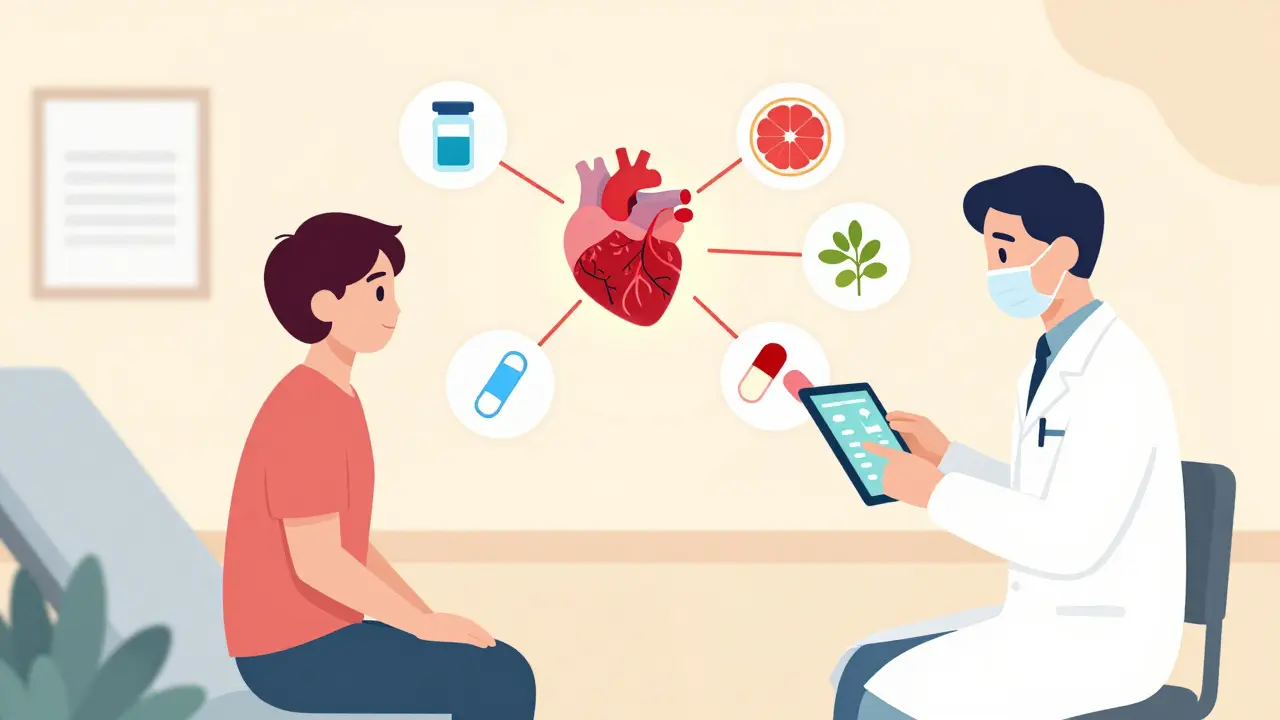
When someone is fighting cancer, chemotherapy is often one of the first treatments they hear about. It’s not glamorous. It’s not easy. But for millions of people, it’s life-saving. More than half of all cancer patients will receive chemotherapy at some point in their treatment. In the U.S. alone, about 650,000 people get chemotherapy each year in outpatient clinics. These drugs don’t just attack cancer-they affect every rapidly dividing cell in the body. That’s why side effects like fatigue, nausea, hair loss, and low blood counts are so common. But what most people don’t realize is that chemotherapy doesn’t work in isolation. It interacts with everything else a patient is taking-prescription meds, over-the-counter pills, supplements, even herbal teas.
How Chemotherapy Works-and Why It’s So Harsh
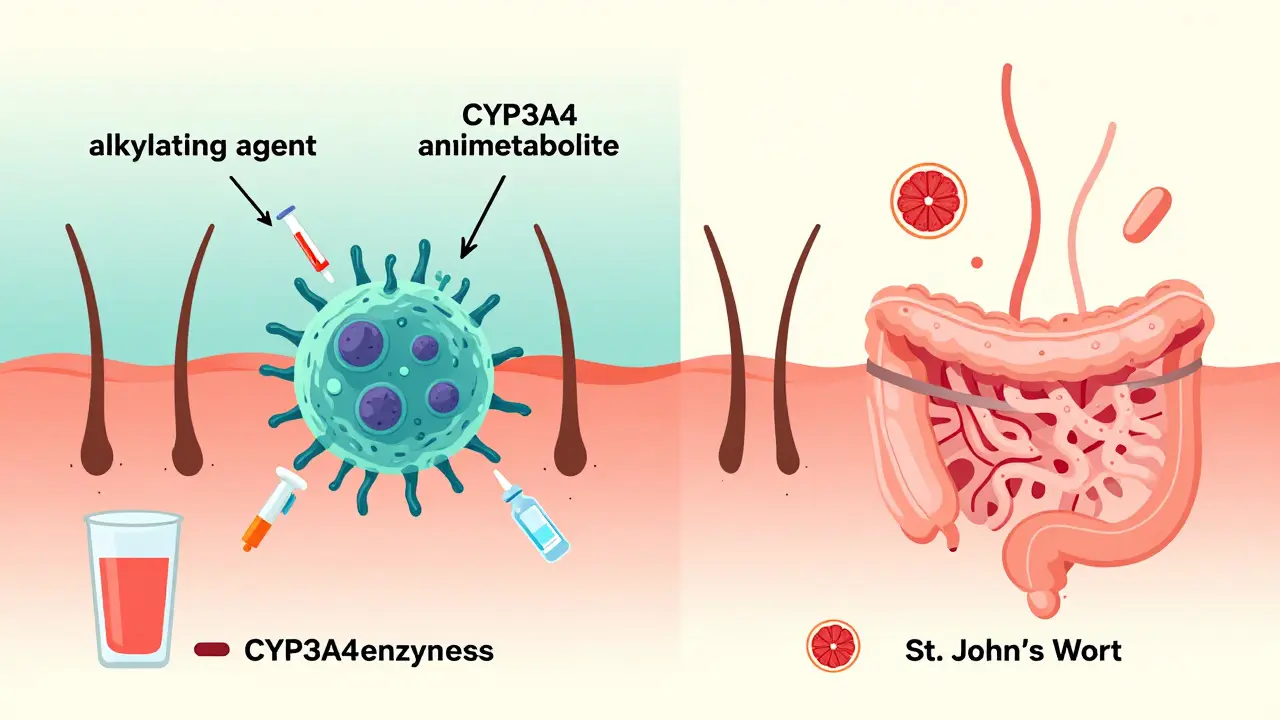
Chemotherapy drugs are designed to kill fast-growing cells. Cancer cells fit that description perfectly. But so do cells in your hair follicles, bone marrow, and digestive tract. That’s why side effects happen. There are more than 100 different chemotherapy drugs in use today, grouped into classes based on how they work. Anthracyclines like doxorubicin damage DNA directly but can hurt the heart if given in too high a total dose. Alkylating agents like cyclophosphamide cross-link DNA so cells can’t replicate. Antimetabolites like methotrexate mimic nutrients cancer cells need, tricking them into absorbing poison instead. Plant alkaloids like vincristine stop cells from dividing by disrupting their internal skeleton.
Doctors don’t just pick one drug. They combine them. Why? Because cancer is sneaky. If you hit it with one drug, it might learn to resist. But hit it with three or four at once, each attacking in a different way, and the chances of survival go up. Regimens like BEP (bleomycin, vinblastine, cisplatin) for testicular cancer or AC-T (doxorubicin, cyclophosphamide, paclitaxel) for breast cancer are standard because they’ve been tested over decades. Dosing isn’t random-it’s calculated by body surface area (m²), not weight, because that’s how the drugs were originally studied. Even small changes in dose can mean the difference between effectiveness and toxicity.
The Hidden Danger: Drug Interactions You Can’t Ignore
Many cancer patients take other medications. Maybe they have high blood pressure. Or diabetes. Or depression. Or chronic pain. All of these drugs can interact with chemotherapy in dangerous ways. Some interactions are obvious. For example, if you’re on a blood thinner like warfarin and get chemotherapy, your risk of bleeding skyrockets. But others are quiet-and deadly.
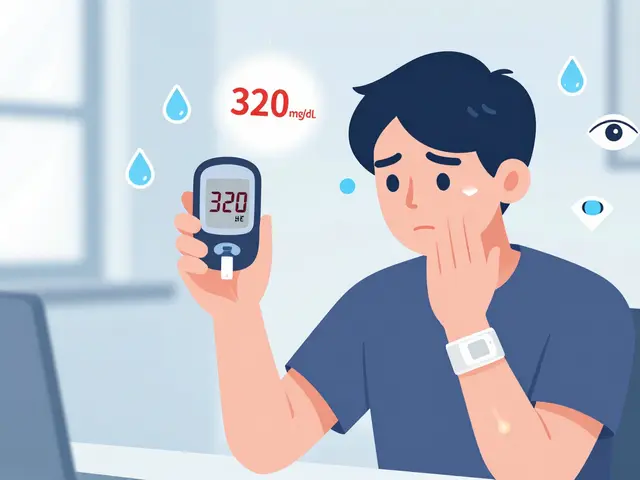
Take CYP450 enzymes. These are liver proteins that break down most drugs. Chemotherapy drugs like paclitaxel and docetaxel are metabolized by CYP3A4. If you’re also taking grapefruit juice, it blocks that enzyme. Result? More chemo stays in your bloodstream. Toxicity goes up. You could end up in the ER with severe neutropenia or nerve damage. On the flip side, St. John’s Wort, a popular herbal supplement for mood, speeds up CYP3A4. That means your chemo gets cleared too fast. It stops working. And you don’t even know it.
Even common painkillers can be risky. Ibuprofen and naproxen can increase kidney damage from cisplatin. Acetaminophen might seem safe, but in high doses, it can worsen liver toxicity from drugs like irinotecan. And don’t forget about antibiotics. Some, like metronidazole, can cause a dangerous reaction with certain chemo drugs, leading to vomiting, flushing, and dangerously low blood pressure.
One of the most overlooked interactions involves vitamin supplements. High-dose antioxidants like vitamin C, E, and selenium are often taken by patients hoping to “protect” their bodies. But studies show they can interfere with chemo’s ability to create free radicals-exactly how some drugs kill cancer cells. In fact, the American Cancer Society warns that antioxidant supplements during active treatment may reduce effectiveness. It’s not about being healthy. It’s about timing. And coordination.
What Happens When Chemo Doesn’t Work
Chemotherapy isn’t magic. For some cancers, it barely makes a dent. Pancreatic cancer, for example, responds to gemcitabine in only 10-20% of cases. In advanced triple-negative breast cancer, chemo alone gives a 65% response rate-but that still leaves a third of patients with no benefit. And even when it works, resistance builds. About 30% of patients develop resistance during their first course of treatment. That’s why doctors now combine chemo with newer tools: immunotherapy, targeted therapy, hormone therapy. A 2023 NEJM study showed that combining chemo with immunotherapy in metastatic breast cancer doubled the number of patients alive at two years compared to chemo alone.
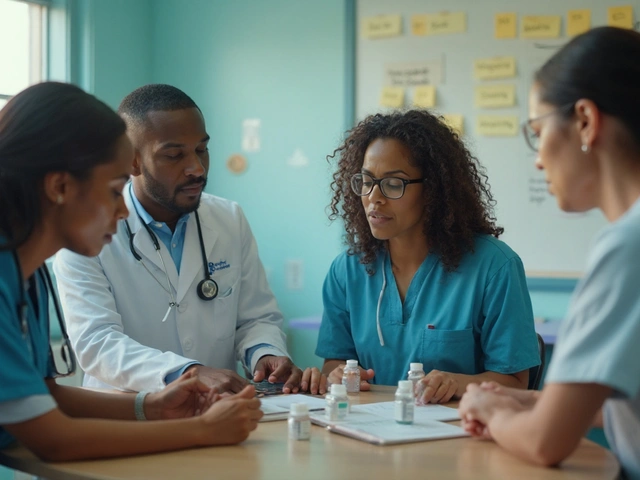
But here’s the catch: combining treatments doesn’t just add benefit-it adds complexity. When you mix chemo with immunotherapy like pembrolizumab, you open up a whole new set of side effects. Immune-related reactions can attack the thyroid, lungs, liver, or even the heart. And if a patient is already on steroids for another condition, those interactions can be unpredictable. That’s why oncology teams now include pharmacists who specialize in drug interactions. At most major cancer centers, every chemo order is double-checked by a board-certified oncology pharmacist. Ninety-eight percent of U.S. cancer centers do this. It’s not optional. It’s life-saving.
Real-Life Challenges: Fatigue, Delays, and Disparities
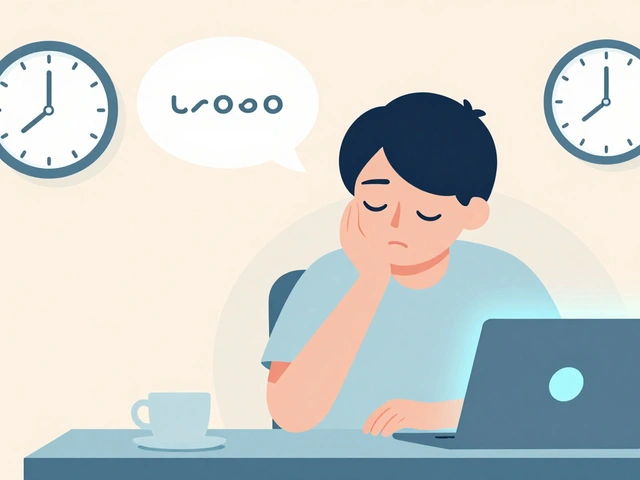
Patients don’t just worry about whether the drugs will work. They worry about whether they can survive the treatment. A review of over 1,200 patient reports found that 68% had moderate to severe fatigue. Over half still got nausea despite anti-nausea meds. Nearly half developed nerve damage from taxanes-tingling in hands and feet that sometimes never goes away. And 32% of patients on breast cancer forums reported permanent changes in hair texture after treatment, even when hair grew back.
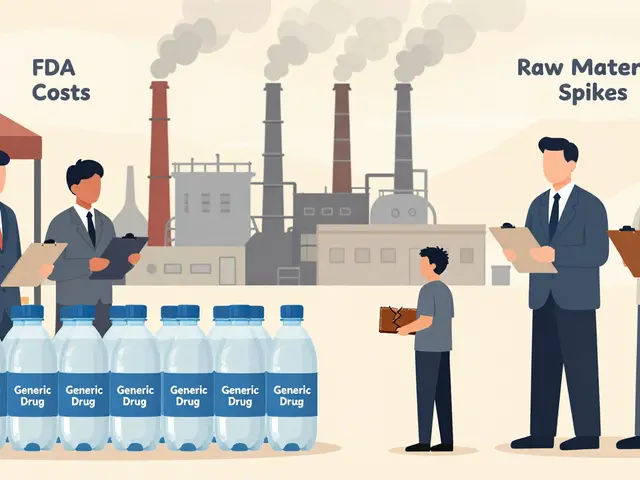
But the biggest hidden crisis? Treatment delays. Nearly 44% of patients experience delays because their white blood cell count crashes. That’s called neutropenia. And when that happens, chemo gets postponed. That gives cancer time to grow. Studies show Black patients are 1.7 times more likely to have treatment delays than White patients-not because of biology, but because of access. Transportation. Insurance. Lack of nearby infusion centers. These aren’t just social issues. They’re survival issues.
And yet, despite all this, 76% of patients say they’d do it again. One Reddit user, ‘SurvivorJen,’ wrote: “Sixteen brutal weeks of AC-T chemo. I lost my hair, my appetite, my energy. But I’m alive. And my kids still have their mom.” That’s the reality. Chemotherapy is brutal. But for many, it’s the only thing standing between them and death.
What’s Changing Now-and What’s Next
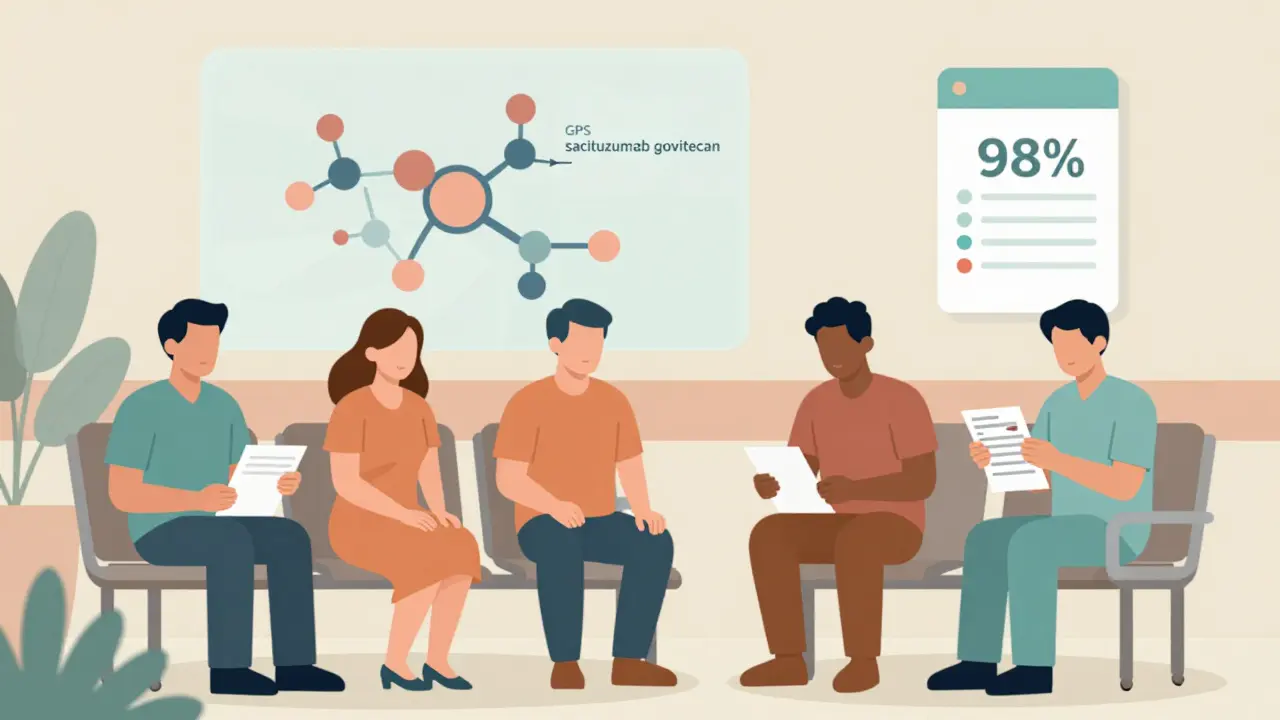
The future of chemotherapy isn’t about making older drugs stronger. It’s about making them smarter. Newer drugs like sacituzumab govitecan (Trodelvy) deliver chemo directly to cancer cells using a molecular GPS. This antibody-drug conjugate targets TROP-2, a protein found on many cancer cells. It cuts systemic toxicity by half. In trials, it worked even in patients who’d tried five other treatments.
Another breakthrough? Using tumor DNA in the blood to guide treatment. The ALLIANCE trial showed that by checking for leftover cancer DNA after surgery in colon cancer patients, doctors could safely cut chemotherapy from six months to three-without hurting survival. That’s 32% fewer patients getting unnecessary treatment. Less toxicity. Lower cost. Better quality of life.
Even the way we give chemo is changing. Electronic order systems with built-in safety checks are now standard in 92% of top cancer centers. But only 68% of community clinics use them. That gap means patients in rural areas are more likely to get the wrong dose or the wrong drug. It’s not about skill. It’s about systems.
And then there’s pharmacogenomics. Before giving irinotecan, doctors now test for a gene variant called UGT1A1. If you have it, your body can’t clear the drug properly. You’re at risk for life-threatening diarrhea. Testing for this one gene prevents hospitalizations. Same with tamoxifen-CYP2D6 testing tells doctors whether the drug will even work for you. These aren’t fancy experiments. They’re standard now. And they’re saving lives.
What Patients Need to Know
If you’re on chemotherapy, here’s what you need to do:
- Make a full list of everything you take-prescriptions, over-the-counter meds, vitamins, supplements, herbal teas. Even one pill can change how chemo works.
- Bring that list to every appointment. Don’t assume your doctor remembers. Don’t assume the pharmacist knows. Show them.
- Ask about interactions. If your oncologist says, “This drug is fine,” ask: “Has it been tested with chemo? What if I take it with ibuprofen or St. John’s Wort?”
- Never start a supplement without asking. “Natural” doesn’t mean safe. Many herbs interfere with chemo in ways we don’t even fully understand yet.
- Report side effects early. Fatigue? Nausea? Numbness? Don’t wait. Tell your team. They can adjust doses, add meds, or delay treatment safely.
Chemotherapy isn’t going away. Even with all the new drugs, it still makes up nearly half of all cancer prescriptions. But its role is changing. It’s no longer the lone warrior. It’s part of a team. And that team only works if every member-doctor, pharmacist, nurse, patient-is talking. Clear. Honest. Constantly.
Can I take over-the-counter painkillers while on chemotherapy?
Some are safe, others are dangerous. Ibuprofen and naproxen can worsen kidney damage from cisplatin. Acetaminophen is usually okay, but high doses can harm the liver when combined with drugs like irinotecan. Always check with your oncology team before taking anything-even a single aspirin.
Do herbal supplements help with chemo side effects?
They might seem helpful, but many interfere with chemotherapy. St. John’s Wort can make chemo less effective. High-dose antioxidants like vitamin C and E may block the way some chemo drugs kill cancer cells. The American Cancer Society advises against taking supplements during active treatment unless approved by your oncologist.
Why do some patients get delayed chemo treatments?
The most common reason is neutropenia-low white blood cell count. When chemo wipes out too many immune cells, doctors pause treatment to let them recover. But delays aren’t equal. Black patients experience delays 1.7 times more often than White patients due to systemic barriers like transportation, insurance, and access to care.
Is chemotherapy still effective if I’m also on blood pressure medication?
Yes, but interactions must be monitored. Some blood pressure drugs, like beta-blockers, can affect how chemo is processed by the liver. Others, like ACE inhibitors, may increase the risk of kidney damage. Your oncology pharmacist reviews all medications to ensure safety. Never stop or change your blood pressure meds without consulting your care team.
Can I drink grapefruit juice while on chemotherapy?
No. Grapefruit juice blocks enzymes in your liver (CYP3A4) that break down many chemo drugs, including paclitaxel and docetaxel. This causes the drugs to build up in your blood, increasing the risk of severe side effects like nerve damage, low blood counts, and even organ failure. Avoid grapefruit, Seville oranges, and pomelos entirely during treatment.
Chemotherapy is still one of the most powerful tools we have against cancer. But it’s not simple. It’s not safe just because it’s old. It demands precision, awareness, and communication. The best outcomes come not from the strongest drug-but from the most thoughtful care.


Just wanted to say this post nailed it. Chemotherapy isn't glamorous, but the science behind it is terrifyingly precise. I've seen friends go through it, and the real hero isn't the drug-it's the pharmacist double-checking every interaction. That level of care deserves more recognition.
Stop taking random supplements. Seriously. Vitamin C during chemo is like trying to put out a wildfire with a water gun while holding a gas can. You’re not helping. You’re making it worse.
EVERYTHING in this post is TRUE. 🤯 But here’s the truth they won’t tell you-Big Pharma doesn’t want you to know how many chemo drugs interact with COMMON meds. They profit off the chaos. Grapefruit juice? Blocked. St. John’s Wort? Banned. But your CVS pharmacist? They’re not trained to ask. It’s a system designed to fail you. 💔
i just started chemo last week and honestly this post saved me from taking that turmeric supplement my cousin swore by. thank you so much
Interesting read. I’m from the UK and we’ve got similar protocols here. The pharmacist checks are brilliant-makes you feel safer knowing someone’s got your back. Still, access to specialists isn’t equal everywhere, even here.
why are we still using 1970s style chemo when we have gene editing now? this is so outdated. we could just fix the DNA instead of poisoning people. #science
Wow. You’re all missing the real point. Chemo’s not the problem-it’s the fact that we still treat cancer like a single disease. It’s not. It’s hundreds of mutations. And yet we use one-size-fits-all regimens like we’re in 1998. The future isn’t in more drugs. It’s in personalized cocktails based on tumor RNA. But no one wants to fund that. 😏
One must question the epistemological foundation of oncological protocols. The CYP450 paradigm is a reductive model predicated on pharmacokinetic dogma. One cannot reduce the human metabolic ecosystem to enzyme isoforms without committing a category error. The real intervention lies in holistic biofield alignment-something no FDA-approved algorithm can capture.
I’ve been on chemo for 3 years. The thing nobody talks about? The silence after the last infusion. You think you’ll feel relief. But instead, you’re just… waiting. Waiting for the next scan. Waiting for the next side effect. Waiting to see if your body remembers how to be normal. It’s not the drugs that break you. It’s the quiet.
this is so important for everyone to read especially in india where people just take ayurvedic stuff with chemo and think its fine. we need more awareness and less guesswork
Of course America leads in chemo safety. 🇺🇸 Only here do pharmacists actually check your meds. In other countries? They just hand you a pill bottle and say ‘good luck.’ No wonder survival rates are lower. We’re not just better-we’re smarter. 🙌