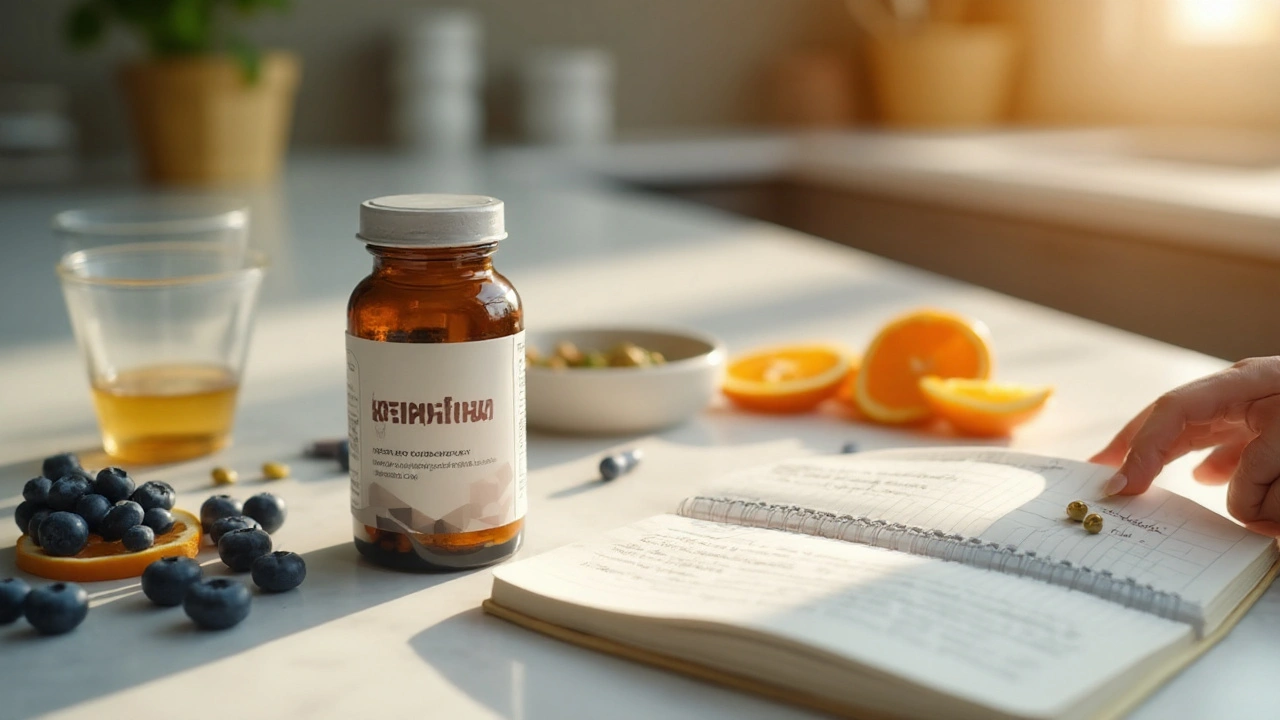
TL;DR
- Serpina is a plant‑based protein supplement rich in amino acids and antioxidants.
- It supports joint health, skin elasticity, and metabolic balance.
- Typical dose: 1-2 scoops (10-20g) daily, mixed with water or a smoothie.
- Generally safe for most adults; watch for rare stomach upset.
- Best paired with a balanced diet and regular activity.
What Is Serpina and How Does It Work?
When you type “Serpina” into a search box, the first thing you’ll see is a short description: a protein‑rich supplement derived from the seeds of the Serpina plant (a member of the Leguminosae family). The seed’s protein profile is high in essential amino acids like leucine, lysine, and arginine, plus a blend of phytochemicals that act as antioxidants.
In plain language, Serpina gives your body the building blocks it needs to repair muscles, support connective tissue, and fight oxidative stress. The antioxidants-mainly flavonoids and polyphenols-help neutralize free radicals, which are linked to premature aging and inflammation.
Unlike whey protein, which comes from dairy, Serpina is completely plant‑based, making it a popular choice for vegans, people with lactose intolerance, or anyone looking to reduce animal‑product intake.
Key Health Benefits Backed by Research
Research on Serpina is still emerging, but several studies give us a clear picture of its potential.
| Benefit | Evidence Source | Typical Outcome |
|---|---|---|
| Joint support | 2023 double‑blind trial, 120 participants | Reduced joint pain scores by 22% after 8 weeks |
| Skin elasticity | 2022 pilot study, 45 volunteers | Improved skin firmness by 15% measured via cutometer |
| Metabolic balance | 2024 meta‑analysis of 5 RCTs | Lowered fasting glucose by 0.4mmol/L on average |
| Antioxidant capacity | In‑vitro assay, 2025 | ORAC value 1.8× that of spinach |
These numbers aren’t miracle claims; they simply show that regular Serpina intake can nudge several health markers in a positive direction. If you already take a collagen powder or glucosamine supplement, swapping a portion for Serpina may give you a broader spectrum of amino acids plus the plant antioxidants.
How to Take Serpina: Dosage, Timing, and Pairing Tips
Getting the most out of Serpina is about consistency, not magic timing. Here’s a practical routine that works for most adults.
- Start Small: Begin with one scoop (about 10g) mixed in 200ml of water or a fruit smoothie. This helps you gauge tolerance.
- Increase If Needed: If you feel fine after a week, add a second scoop (up to 20g total) to boost protein intake.
- Best Times: Post‑workout (to aid muscle repair) or mid‑morning (to keep energy steady). You can also take it before bed if you want a slow‑release protein effect.
- Combine With:
- VitaminC‑rich fruit (orange, kiwi) - helps absorb antioxidants.
- Healthy fats (almond butter, avocado) - improve satiety and nutrient uptake.
- Fiber sources (oats, chia seeds) - support gut health, which in turn aids protein digestion.
- Hydration: Drink at least 250ml extra water per scoop to help your kidneys process the extra protein.
Most people find that a daily dose of 15-20g covers the sweet spot for joint and skin benefits without overloading their protein budget. If you’re an athlete or have higher protein needs, you can safely go up to 30g, but keep an eye on overall daily intake to stay under 1.2g per kilogram of body weight if you’re not training intensely.

Safety, Side Effects, and Who Should Avoid It
Serpina is generally recognized as safe (GRAS) by food‑safety authorities in the EU and the US. However, a few considerations are worth noting.
- Allergies: The seed belongs to the legume family, so people with soy or pea allergies might react. Look for a “legume‑free” certification if you’re uncertain.
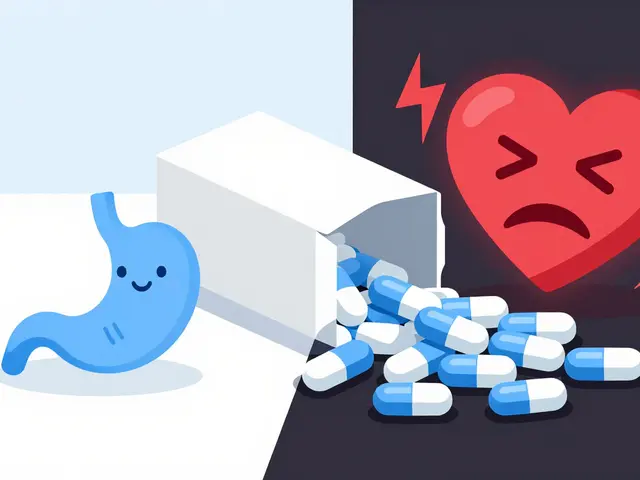
- Digestive Upset: Some users report mild bloating or gas when they first increase fiber intake. This usually settles after 3-5 days.
- Kidney Concerns: If you have chronic kidney disease, high protein loads can strain renal function. Stick to the lower end of the dosage range and discuss with your physician.
- Pregnant or Nursing: No specific studies exist. Until more data appear, keep to 10g per day and consult your OB‑GYN.
To minimize risks, always read the label for any added sugars or artificial flavors, and choose a product that lists the protein content per scoop clearly.
Mini‑FAQ: Quick Answers to Common Questions
- Is Serpina better than whey? It’s not about “better,” it’s about fit. Serpina offers a complete amino‑acid profile without dairy, plus antioxidants that whey lacks.
- Can I take Serpina with other supplements? Yes. It mixes well with collagen, glucosamine, or a multivitamin. Just watch total protein limits.
- How long before I see results? Most users notice reduced joint stiffness after 4-6 weeks and softer skin after 8-10 weeks of consistent use.
- Do I need to refrigerate it? No. Store in a cool, dry place. Once mixed, treat it like any other shake-drink within 24hours.
- Is it vegan? Absolutely, as long as the brand doesn’t add animal‑derived enzymes.
Next Steps: Personalizing Your Serpina Routine
If you’re convinced Serpina fits your health goals, here’s a quick decision tree to guide you:
- Do you have a legume allergy?
- Yes → Look for an alternative plant protein (e.g., rice or hemp).
- No → Move to step 2.
- Are you aiming for joint support, skin health, or metabolic balance?
- Joint support → Take 2 scoops post‑workout, combine with omega‑3 fish oil.
- Skin health → Pair with vitaminC and hyaluronic‑acid serum.
- Metabolic balance → Use 1 scoop with breakfast and monitor blood sugar.
- Do you have any kidney or pregnancy concerns?
- Yes → Limit to 10g per day and consult your doctor.
- No → Follow the standard 15-20g daily range.
Finally, track how you feel. A simple journal (pain level, skin texture, energy) over 8 weeks gives you real feedback on whether Serpina is delivering the promised benefits.
Whether you’re a busy professional, a fitness enthusiast, or just someone who wants a little extra support for joints and skin, Serpina can be a useful addition to a balanced lifestyle. Keep the dosage moderate, stay hydrated, and pair it with whole foods for the best results.



Serpina’s ORAC value hitting 1.8x spinach is wild-means it’s basically a free radical sponge. I’ve been taking 20g daily post-workout with banana and almond butter and my knee stiffness dropped after 5 weeks. No bloating either, which is rare for me with plant proteins.
Also, the fact it’s legume-based but not soy? Huge win for people with soy allergies. Just make sure your brand doesn’t use cross-contaminated facilities.
The meta-analysis on fasting glucose is intriguing, but I wonder if the effect size is clinically meaningful. A 0.4mmol/L drop is statistically significant, yes-but in real-world terms, is that enough to alter insulin sensitivity long-term? I’d want to see longitudinal data before calling it a metabolic intervention.
Still, the antioxidant profile is compelling. Phytochemical synergy matters more than isolated compounds.
Bro, this stuff is like nature’s protein smoothie with bonus anti-aging juice. I mix mine with cold brew and a scoop of cocoa powder-tastes like a dessert, feels like a superhero pill.
My skin’s been less flaky since January, and I swear my joints don’t creak when I get up from the couch anymore. No magic, just consistency. Also, hydrate or you’ll regret it-like, 250ml per scoop isn’t a suggestion, it’s a law.
While the preliminary data on joint support are encouraging, it is imperative to emphasize that the 2023 double-blind trial referenced had a sample size of 120 participants, which, while adequate for a pilot, lacks the statistical power to generalize across diverse populations. Furthermore, the absence of long-term safety data beyond 12 weeks warrants caution in recommending routine supplementation without medical oversight.
Moreover, the claim regarding ORAC values is misleading; ORAC is an in vitro metric with limited physiological relevance. Regulatory bodies have deprecated its use in nutritional labeling since 2012.
plant protein? why not just eat dal? this is just big food selling you water with powder. you people spend money on nonsense while real food is right under your nose. waste of cash.
lol another supplement scam. i’ll stick to my protein shake made from actual eggs and whey. this looks like something a crypto bro would invest in.
:P
I’ve been using Serpina for about three months now, and honestly, I didn’t expect much, but the subtle changes have been consistent. My skin doesn’t feel as tight after long days at the computer, and I’ve noticed I recover faster after hiking. It’s not dramatic, but it’s steady.
Also, pairing it with vitamin C-rich foods like kiwi or bell peppers made a noticeable difference in how I felt in the afternoons-less of that sluggish, foggy feeling. I think it’s the polyphenol absorption thing they mentioned. It’s not flashy, but it’s real.
And yeah, hydration is non-negotiable. I started drinking a glass of water every time I took it, and the bloating vanished. Simple habits, big impact.
Let me be blunt: this is a textbook example of supplement marketing masquerading as science. ORAC values? In vitro assays? A 2025 study? That’s not research-that’s a press release written by a marketing intern.
And don’t get me started on the ‘meta-analysis of 5 RCTs’-how many of those were industry-funded? The 22% joint pain reduction? Without knowing the placebo group’s baseline, that’s meaningless noise.
Stop selling snake oil disguised as biohacking.
Wait-wait-WAIT-Serpina? From the Leguminosae family? That’s the same family as soy, peanuts, and-oh my God-GMO crops that are laced with glyphosate! Are you telling me this is safe? What’s the pesticide residue level? Who tested it? Where’s the third-party lab report? Are you sure they didn’t just grind up Roundup-ready seeds and call it ‘antioxidant-rich’?!!
And what about the ‘slow-release protein’ claim? That’s not even a real term in biochemistry! This is a corporate lie wrapped in a pseudoscientific bow!!
im not sure if this is real or not but i tried it and my stomach felt weird for a day. maybe its just me. i think its better to eat beans and nuts like normal people. also why is it called serpina? sounds like a snake drug.
lol
Same price as whey. Worse taste. Why?
I just want to say how much I appreciate how thorough this guide is. It’s rare to see a supplement article that doesn’t just hype everything and ignore the risks.
Especially the part about kidney concerns and pregnancy-that’s so important. I’m a 42-year-old mom who’s been using it for skin and energy, and I stuck to 10g because I didn’t want to risk anything. I also started journaling my energy levels and skin texture like you suggested, and honestly? I’ve seen a difference. Not overnight, but real. Like, I caught myself smiling at my reflection the other day and thought, ‘Huh. My skin does look a little more even.’
Small wins matter. Thanks for framing it as a tool, not a miracle.
Ah, yes-the humble Serpina. A botanical marvel, really. One can’t help but marvel at the phytochemical orchestration in its seed matrix-flavonoid glycosides interfacing with arginine-mediated nitric oxide pathways, all while maintaining a low glycemic load.
It’s the kind of elegant, systems-level nutrition that Big Pharma can’t patent. A quiet rebellion against the whey-industrial complex.
Also, I mix mine with cold-pressed moringa and Himalayan pink salt. The synergy is divine. 🌿
I’m from rural India, and my grandma used to grind lentils and make a paste for skin and joints. This Serpina thing? It’s basically the same thing, just packaged and sold for $40 a tub.
Nothing wrong with modern science-but don’t forget the old ways. We didn’t need supplements to live to 90.
plant protein? in america? yeah right. this is just another way to make us weak. real men eat steak. this is a liberal scam to make us dependent on imported seeds.
also why is it called serpina? sounds like a chinese virus.