Serotonin Syndrome Risk Checker
Determine the potential risk level of combining specific opioids with SSRIs based on clinical data.
Imagine taking your daily antidepressant for years without a single issue. Then, after a minor injury, you pick up a prescription for pain relief. Within hours, you’re shivering uncontrollably, your heart is racing, and you feel like you’re burning from the inside out. This isn’t a movie plot; it’s serotonin syndrome, a potentially life-threatening condition caused by too much serotonin in your brain. We often think of drugs as working in isolation. You take one for mood, another for pain. But when certain opioids meet Selective Serotonin Reuptake Inhibitors (SSRIs), they can trigger a dangerous chemical storm. With millions of people prescribed both types of medications annually, understanding this interaction isn't just academic-it’s a matter of safety.
What Is Serotonin Syndrome?
To understand the risk, we first need to look at how serotonin works. Think of serotonin as a messenger that helps regulate mood, sleep, and digestion. Normally, your body keeps levels in check using a transporter called SERT (serotonin transporter). SERT acts like a vacuum cleaner, sucking excess serotonin back into nerve cells so it doesn’t float around causing chaos. SSRIs are medications designed to block SERT, keeping more serotonin available to improve mood. They work by inhibiting the reuptake process, which is helpful for depression but changes the baseline chemistry of your brain. When you add certain opioids to the mix, some of them also inhibit SERT or stimulate serotonin receptors directly. The result? A double whammy. Serotonin levels spike, overstimulating receptors in your central nervous system. This leads to the classic triad of symptoms: mental status changes (agitation, confusion), autonomic instability (high blood pressure, rapid heart rate, fever), and neuromuscular abnormalities (tremors, muscle rigidity, clonus). The severity ranges from mild shivering and diarrhea to severe hyperthermia (temperatures above 106°F) and seizures. Without treatment, mortality rates can approach 10%. It usually hits fast-often within several hours of starting a new medication or increasing a dose.
Not All Opioids Are Created Equal
This is where many patients and even doctors get tripped up. The assumption is that "opioid" means one thing. It doesn’t. Different opioids interact with serotonin pathways in vastly different ways.
| Opioid | SERT Inhibition | Risk Level | Notes |
|---|---|---|---|
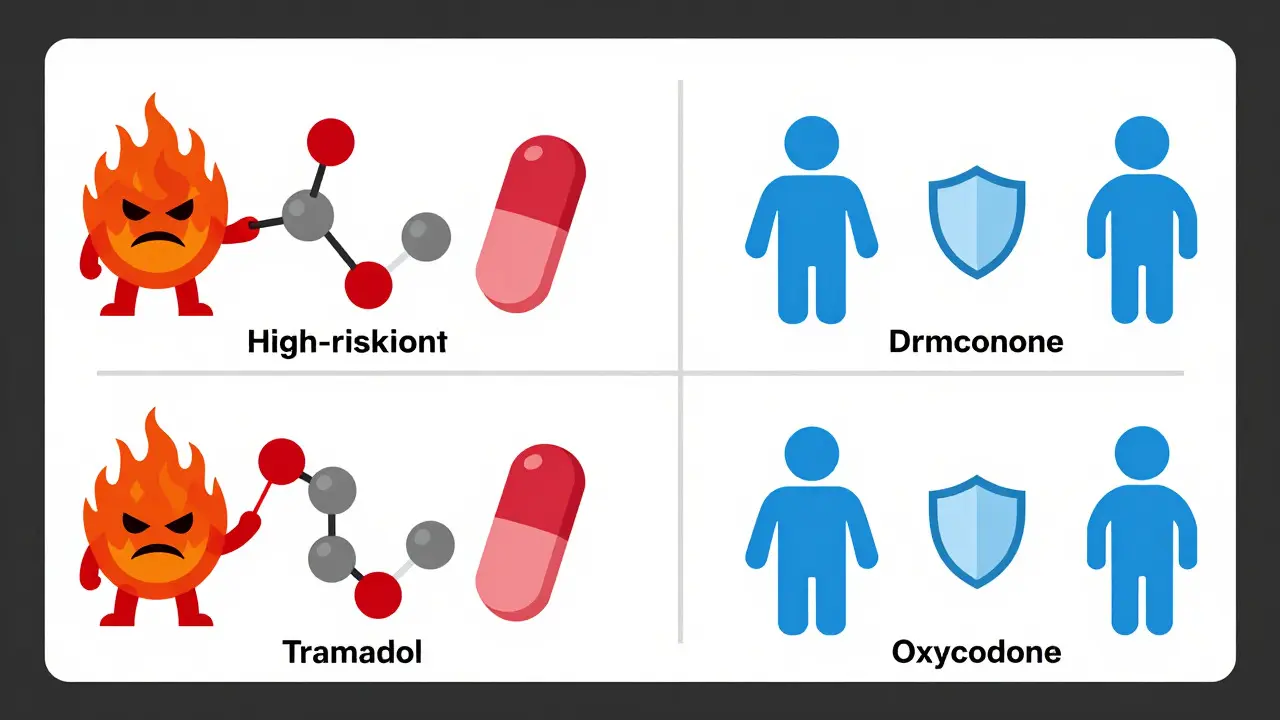
| Tramadol | High | High | Inhibits SERT strongly; 30x greater affinity than morphine. |
| Methadone | Moderate/High | High | Potent SERT inhibitor; significant clinical reports of SS. |
| Pethidine (Meperidine) | Moderate | High | Known serotonergic activity; generally avoided now. |
| Fentanyl | Low (in vitro) | Moderate | No SERT inhibition in labs, but binds to serotonin receptors; case reports exist. |
| Morphine | None | Low | No significant SERT inhibition or receptor affinity. |
| Oxycodone | None | Low | Considered safer alternative for patients on SSRIs. |
| Codeine | Minimal | Low/Moderate | Generally low risk, but rare cases reported with other serotonergic agents. |
The Hidden Risks: Fentanyl and Codeine
You might hear that fentanyl has no SERT inhibition in lab studies and assume it’s safe. Be careful. Lab results don’t always match real-world biology. While fentanyl doesn’t block the serotonin transporter, it does bind to specific serotonin receptors (5-HT1A and 5-HT2A). The World Health Organization database contains over 120 case reports of serotonin syndrome linked to fentanyl. Dr. Kate Stanworth from the UK’s National Poisons Information Service warns that in vitro findings don't always translate to clinical practice.
Similarly, codeine was long thought to be benign in this context. However, recent case reports have shown that codeine can precipitate serotonin syndrome, especially when combined with other serotonergic agents like paroxetine. It’s less common, but it happens. Never assume a "mild" opioid is completely free of risk if you’re on high-dose antidepressants.
Who Is Most at Risk?
While anyone can develop serotonin syndrome, certain groups face higher odds:
- Elderly Patients: People over 65 take more medications on average, increasing the chance of interactions. Their bodies also metabolize drugs slower, leading to higher accumulation.
- Those with Liver or Kidney Issues: Impaired metabolism means drugs stay in the system longer, raising serotonin levels dangerously high.
- Genetic Factors: Individuals who are "poor metabolizers" due to variations in the cytochrome P4502D6 enzyme have a 3.2 times higher risk. Their bodies can’t break down certain drugs efficiently.
- Recent Medication Changes: Starting a new SSRI, stopping an MAOI, or increasing doses creates volatile windows for interaction.
Recognizing the Symptoms Early
Time is critical. Serotonin syndrome can escalate quickly. Doctors use the Hunter Serotonin Toxicity Criteria for diagnosis, which looks for specific signs like spontaneous clonus (rhythmic muscle contractions) or inducible clonus with agitation. But you don’t need a medical degree to spot the red flags. Watch for:
- Mental Status Changes: Agitation, anxiety, confusion, or restlessness.
- Physical Instability: Rapid heartbeat (tachycardia), high blood pressure, dilated pupils, sweating (diaphoresis), and shivering.
- Muscle Issues: Tremors, muscle rigidity, twitching, or lack of coordination.
- Gastrointestinal Distress: Nausea, vomiting, or diarrhea.
Prevention Strategies That Work
Prevention is far better than cure. Here is how to protect yourself:
1. Know Your Meds
Keep an updated list of all prescriptions, over-the-counter drugs, and supplements. Remember, dextromethorphan (found in cough syrups) and St. John’s Wort are also serotonergic. Combining these with SSRIs and opioids adds to the load.
2. Ask About Alternatives
If you are on an SSRI and need pain relief, ask your doctor about non-serotonergic opioids like morphine or oxycodone, or non-opioid alternatives like acetaminophen or NSAIDs (if appropriate for your health profile). Avoid tramadol if possible.
3. Start Low, Go Slow
If a high-risk combination is unavoidable, experts recommend starting with 50% of the standard opioid dose and monitoring closely for 72 hours. Watch for any subtle changes in mood or physical stability.
4. Washout Periods Matter
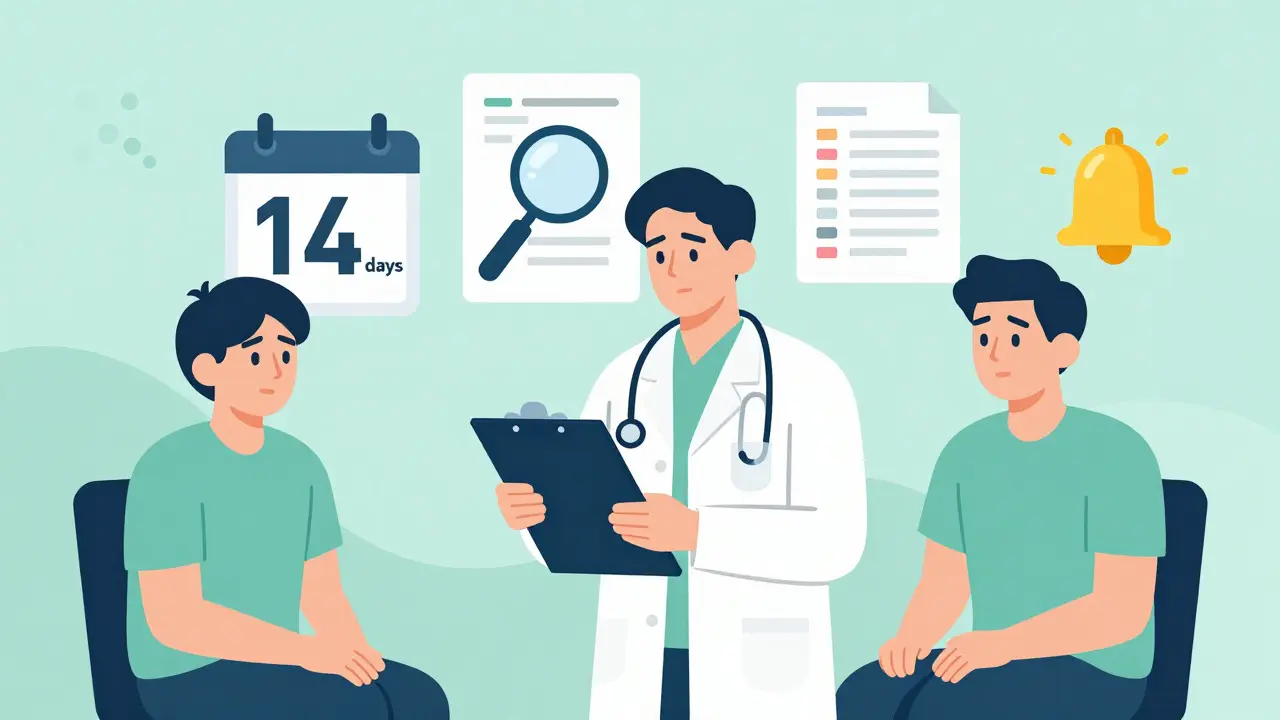
If switching from an MAOI to an SSRI or opioid, a washout period is crucial. For most MAOIs, wait 14 days. For fluoxetine (Prozac), wait five weeks due to its long half-life. Fluoxetine’s active metabolite stays in your system for up to 16 days, creating a prolonged risk window.
5. Use Technology
Many electronic health records now flag high-risk combinations. Ensure your pharmacy and doctor share information. Kaiser Permanente reduced inappropriate tramadol-SSRI prescriptions by over 87% by implementing clinical decision support alerts.
Treatment and Recovery
If serotonin syndrome occurs, the first step is immediate discontinuation of the offending drugs. Supportive care includes benzodiazepines to control agitation and seizures, and external cooling measures for high fever. In severe cases, cyproheptadine-a serotonin antagonist-is used to block serotonin receptors. Most patients recover fully with prompt treatment, but delays can lead to permanent damage or death.
Frequently Asked Questions
Can I take Tylenol (acetaminophen) with SSRIs?
Yes. Acetaminophen does not affect serotonin levels and is generally considered safe to take with SSRIs and most opioids. It is often recommended as a first-line pain reliever for patients on antidepressants.
How long does serotonin syndrome last?
Symptoms typically resolve within 24 to 72 hours after stopping the causative medications, provided supportive care is given. However, recovery time depends on the half-life of the drugs involved. For example, if fluoxetine is part of the mix, symptoms may persist longer due to its slow clearance from the body.
Is tramadol safe if I only take it occasionally?
Even occasional use carries risk. Because tramadol actively inhibits serotonin reuptake, combining it with an SSRI-even at therapeutic doses-can trigger serotonin syndrome. Many cases occur in post-operative patients taking tramadol for short-term pain while on maintenance antidepressants. Caution is always advised.
What is the difference between serotonin syndrome and neuroleptic malignant syndrome?
Both cause fever and muscle rigidity, but serotonin syndrome develops rapidly (hours) and features hyperreflexia and clonus (muscle twitching). Neuroleptic malignant syndrome develops slowly (days to weeks) and is associated with antipsychotic drugs, featuring "lead-pipe" rigidity and hyporeflexia. Misdiagnosis is common, so accurate history-taking is vital.
Do natural supplements like St. John's Wort increase the risk?
Absolutely. St. John's Wort is a potent serotonin reuptake inhibitor. Taking it with SSRIs or serotonergic opioids like tramadol significantly increases the risk of serotonin syndrome. Always disclose supplement use to your healthcare provider.