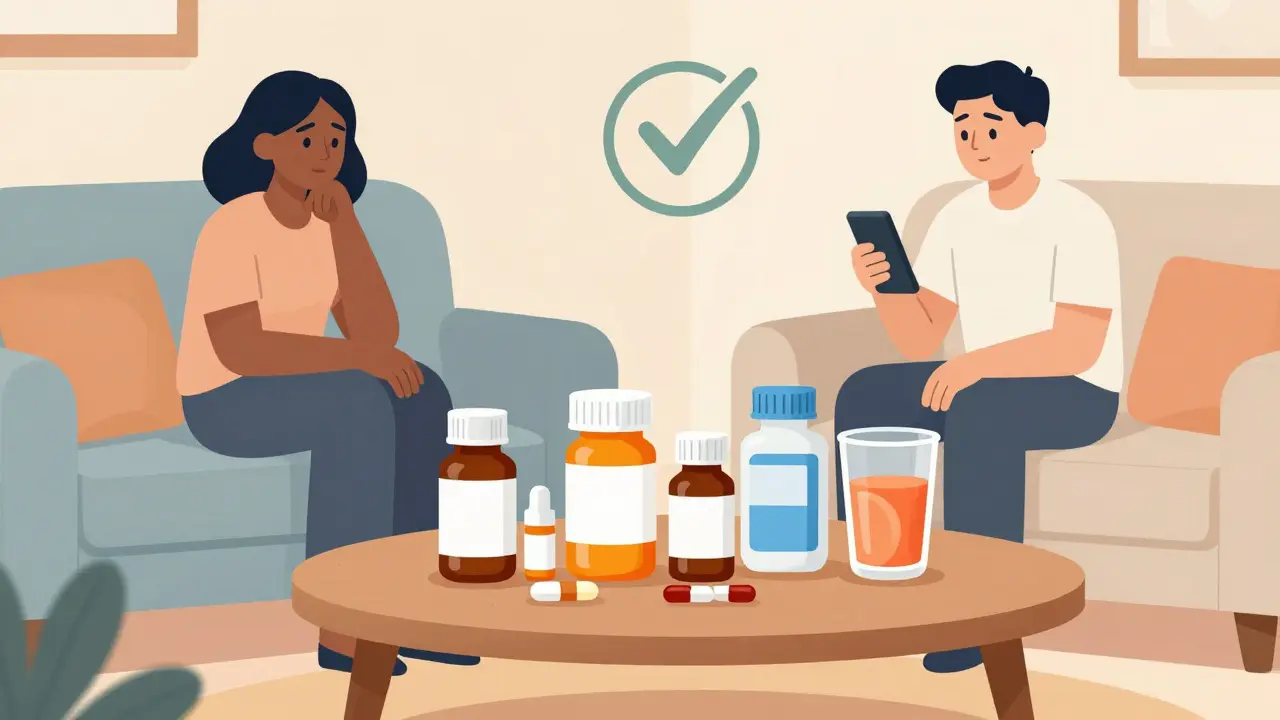
Imagine you’ve just picked up a new bottle of ibuprofen for a headache. You pop one with your morning coffee, alongside your daily prescription for blood pressure and a multivitamin. It feels harmless enough-just routine self-care. But what if that simple combination is quietly working against your body? This isn’t a scare tactic; it’s a reality for millions of people who manage multiple medications every day.
Drug interactions happen when one substance changes the way another works in your body. Sometimes they make a medicine less effective. Other times, they can turn a safe dose into a dangerous one. According to data from the Centers for Disease Control and Prevention (CDC), adverse drug events lead to roughly 1.3 million emergency room visits each year in the United States alone. That’s a staggering number of preventable crises.
The good news? You don’t need a medical degree to spot these red flags before they become emergencies. With the right tools and a bit of know-how, you can check for drug interactions right from your living room. This guide will walk you through exactly how to do that safely, accurately, and without panic.
Why Checking at Home Matters More Than Ever
We live in an era of polypharmacy-the term doctors use when patients take five or more medications simultaneously. If you’re over 65, there’s a 40% chance this describes you. Even younger adults are juggling prescriptions, over-the-counter (OTC) painkillers, herbal supplements, and vitamins. The problem is that most of us assume our doctor knows everything we’re taking. But unless you explicitly list every gummy bear vitamin and occasional aspirin, gaps appear.
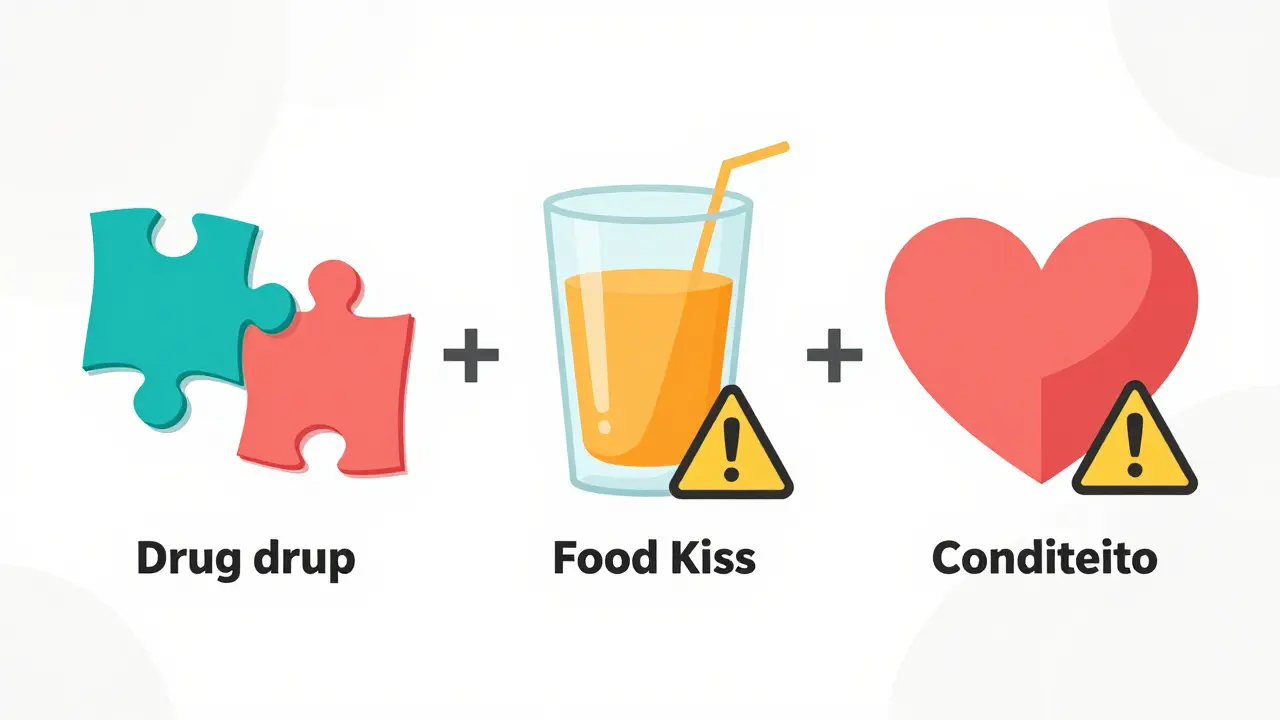
Consider this: drug-drug interactions account for 61% of all identified interactions, according to the Cleveland Clinic. Drug-food interactions make up 27%, and drug-condition interactions (where a med worsens an existing health issue) cover the remaining 12%. These aren’t rare edge cases; they are common occurrences waiting to be caught.
Digital drug interaction checkers have evolved significantly since Micromedex launched the first public online tool in 1995. Today, platforms like Drugs.com and WebMD offer free, instant screening against databases containing tens of thousands of substances. They act as a critical safety net, bridging the gap between your last pharmacy visit and your next potential reaction.
Understanding What You Are Looking For
Before you start typing names into a search bar, it helps to understand the three main types of interactions you might encounter. Knowing the difference prevents unnecessary alarm while ensuring you don’t miss serious warnings.
- Drug-Drug Interactions: This occurs when two medicines clash. For example, taking warfarin (a blood thinner) with ibuprofen can increase bleeding risk. These are the most common, making up the majority of flagged alerts.
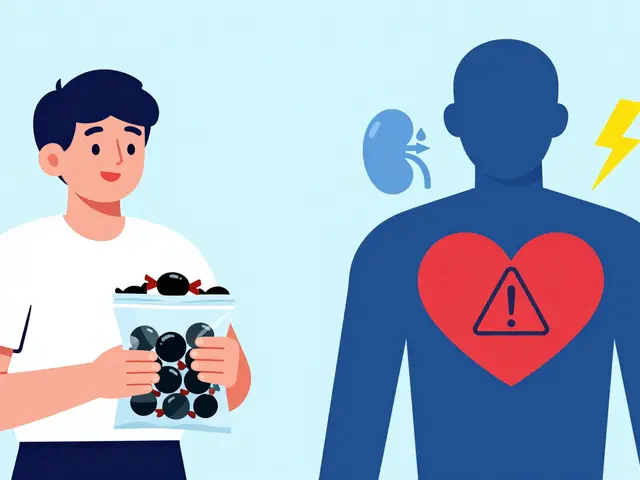
- Drug-Food/Drink Interactions: Certain foods block absorption or amplify effects. Grapefruit juice is the classic culprit, interfering with statins and some heart medications. Alcohol often falls here too, dangerously amplifying sedatives.
- Drug-Condition Interactions: Some meds are unsafe if you have specific health issues. For instance, NSAIDs like naproxen can worsen kidney disease or high blood pressure. Checker tools often flag these if you input your conditions alongside your meds.
Most reputable checkers categorize findings by severity: Major, Moderate, and Minor. A "Major" interaction usually means immediate medical attention is needed. "Moderate" suggests monitoring or dose adjustment, while "Minor" indicates low risk but potential side effects. Understanding these labels is key to staying calm and acting correctly.
Choosing the Right Tool for the Job
Not all checkers are created equal. While many exist, three stand out for consumer use based on database size, ease of use, and update frequency. Here is how they compare:
| Tool | Database Size | Best Feature | Potential Drawback |
|---|---|---|---|
| Drugs.com | 80,000+ interactions | Comprehensive professional reports | Technical language may confuse laypeople |
| WebMD | 18,000+ prescriptions | User-friendly visual severity indicators | Higher rate of false positives reported by users |
| Medscape | Extensive clinical data | Advanced filtering for professionals | Steeper learning curve for consumers |
For most home users, Drugs.com offers the best balance of depth and accessibility. It processes inputs in seconds and provides detailed explanations. However, if you find the terminology overwhelming, WebMD’s simpler interface is a solid alternative. Avoid obscure apps that lack clear sources or update logs; the FDA has warned about fraudulent checkers spreading misinformation.
Step-by-Step: How to Run a Safe Check
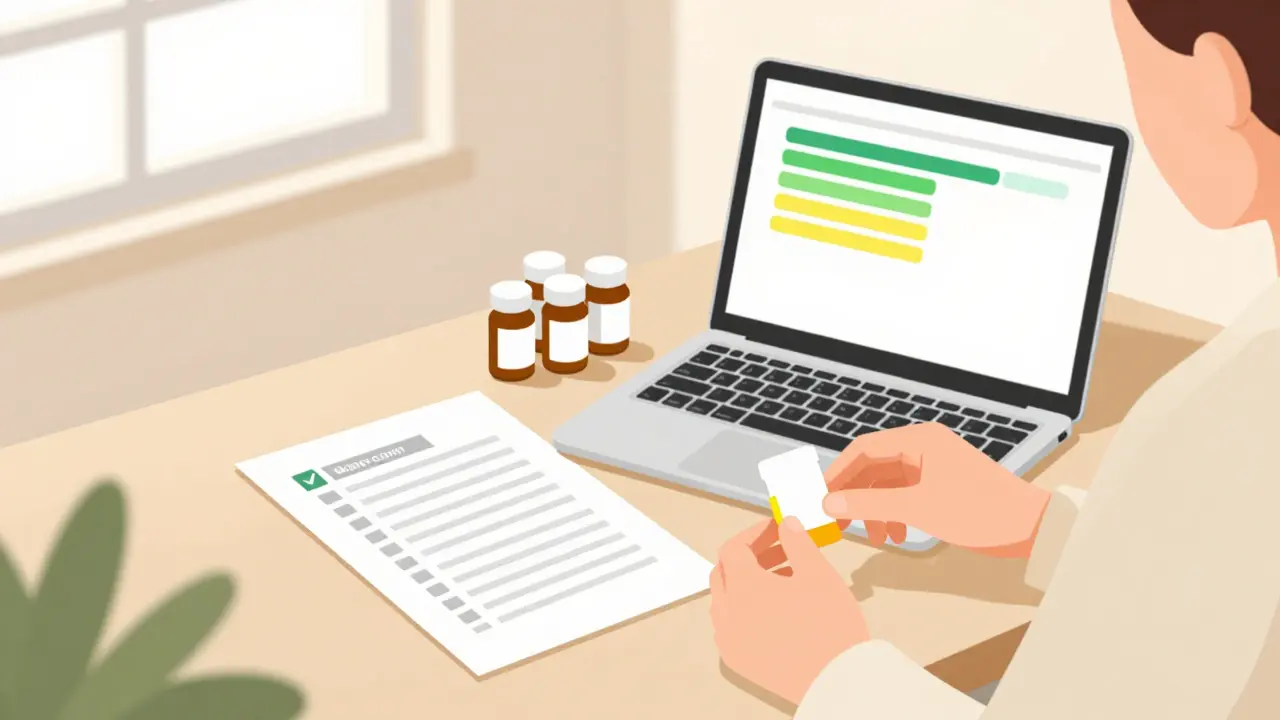
Running a check takes less than five minutes if you follow a systematic approach. Skipping steps leads to incomplete results, which defeats the purpose.
- Gather Your Complete List: Don’t just grab your prescription bottles. Include every OTC medication (pain relievers, antacids, allergy pills), herbal supplement (St. John’s Wort, Ginseng), and vitamin. Note the dosage and frequency for each. Accuracy here is non-negotiable.
- Input Data Carefully: Type each item into the checker one by one. Use generic names if you know them (e.g., acetaminophen instead of Tylenol), as brands vary. Double-check spelling; a typo can miss a critical alert.
- Review Results Critically: Spend at least two minutes reading each flagged interaction. Look for the severity level. Ignore minor flags unless you are highly sensitive to side effects. Focus heavily on Major and Moderate warnings.
- Consult a Professional: This is the most crucial step. Take your printed or saved results to your pharmacist or doctor. Do not stop taking prescribed medication based solely on an online alert. As Dr. Michael Cohen of the Institute for Safe Medication Practices notes, these tools catch only 70-80% of dangerous interactions without professional interpretation.
Common Pitfalls to Avoid
Even with the best intentions, mistakes happen. Here are the most frequent errors that undermine safety checks:
- Ignoring Supplements: Many believe herbs are "natural" and therefore safe. This is a myth. St. John’s Wort interacts with antidepressants, birth control, and blood thinners. Always include supplements in your check.
- False Positives Causing Panic: About 18% of alerts are false positives, meaning the risk is theoretical rather than practical. Don’t throw away expensive meds because a website says "caution." Verify with a pharmacist.
- Static Lists: Your medication regimen changes. Update your list every 30 days or immediately after any new prescription. The CDC recommends this regular review to catch emerging risks.
- Relying Solely on Apps: Mobile apps like Medisafe are great for reminders, but their interaction databases may lag behind web-based giants. Cross-reference with a desktop site for complex regimens.
When to Seek Immediate Help
An online checker is a screening tool, not a diagnostic device. If you experience symptoms after starting a new combination, do not wait for your next appointment. Signs of a severe interaction include:
- Difficulty breathing or swelling of the face/lips (allergic reaction)
- Uncontrolled bleeding or bruising
- Sudden confusion, dizziness, or fainting
- Rapid heartbeat or chest pain
In these cases, call emergency services or go to the nearest ER. Tell them exactly what you took and when. Time is critical in reversing adverse drug events.
The Future of Home Safety Checks
Technology is evolving rapidly. By late 2024, partnerships between genetic testing companies like 23andMe and platforms like GoodRx aim to introduce pharmacogenomic screening. This means future checkers could predict how your unique DNA affects drug metabolism, offering hyper-personalized advice. Meanwhile, the CDC plans to integrate interaction checkers directly into MyMedicare accounts, potentially reaching 65 million beneficiaries. Until then, combining current digital tools with proactive pharmacist communication remains the gold standard for safety.
Is it safe to rely entirely on online drug interaction checkers?
No. Online checkers are valuable first-line screening tools but should never replace professional medical advice. They may produce false positives or miss rare interactions. Always verify results with a pharmacist or doctor before changing your medication routine.
Do I need to include vitamins and herbal supplements in my check?
Yes, absolutely. Herbal supplements like St. John’s Wort and Ginkgo Biloba can interact strongly with prescription drugs. Vitamins, especially in high doses, can also affect medication absorption. Include everything you ingest regularly for accurate results.
What is the difference between a major and moderate drug interaction?
A major interaction typically requires immediate medical attention or avoidance of the combination due to high risk. A moderate interaction suggests caution, possible dose adjustments, or close monitoring, but does not necessarily mean the drugs cannot be taken together under supervision.
How often should I update my medication list for checking?
The CDC recommends updating your medication list every 30 days or immediately whenever a new prescription is added or an old one is stopped. Regular updates ensure that new interactions are caught early.
Can food really interfere with my medications?
Yes. Foods like grapefruit, cranberry juice, and leafy greens high in Vitamin K can significantly alter how certain drugs work. Alcohol is also a major factor. Always check for drug-food interactions, which account for 27% of all identified interactions.