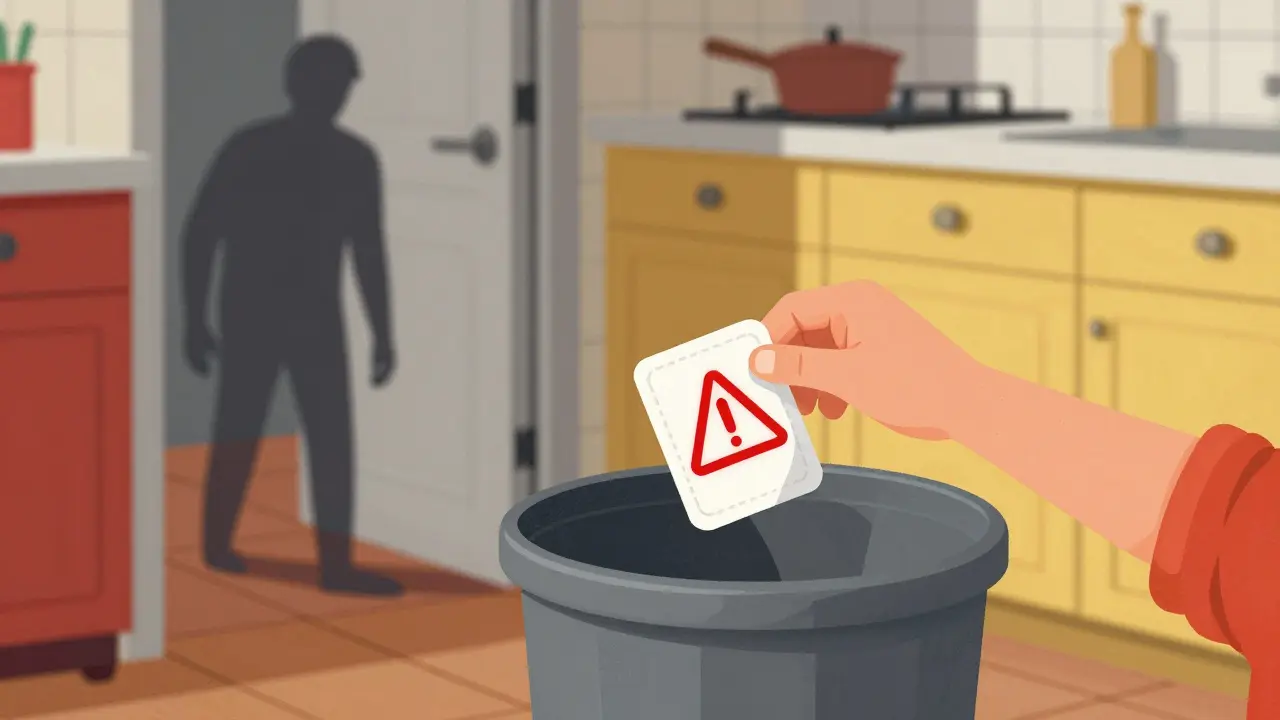
Putting old pills in the trash might seem harmless-until it isn’t. Every year, children, teens, and even adults find unused medications in household bins, leading to accidental overdoses, addiction, and death. The flush list from the U.S. Food and Drug Administration (FDA) exists for one reason: to stop that from happening. These aren’t just recommendations. They’re life-saving rules. If you have any of these medications, throwing them in the trash could be deadly.
What’s on the FDA’s Flush List?
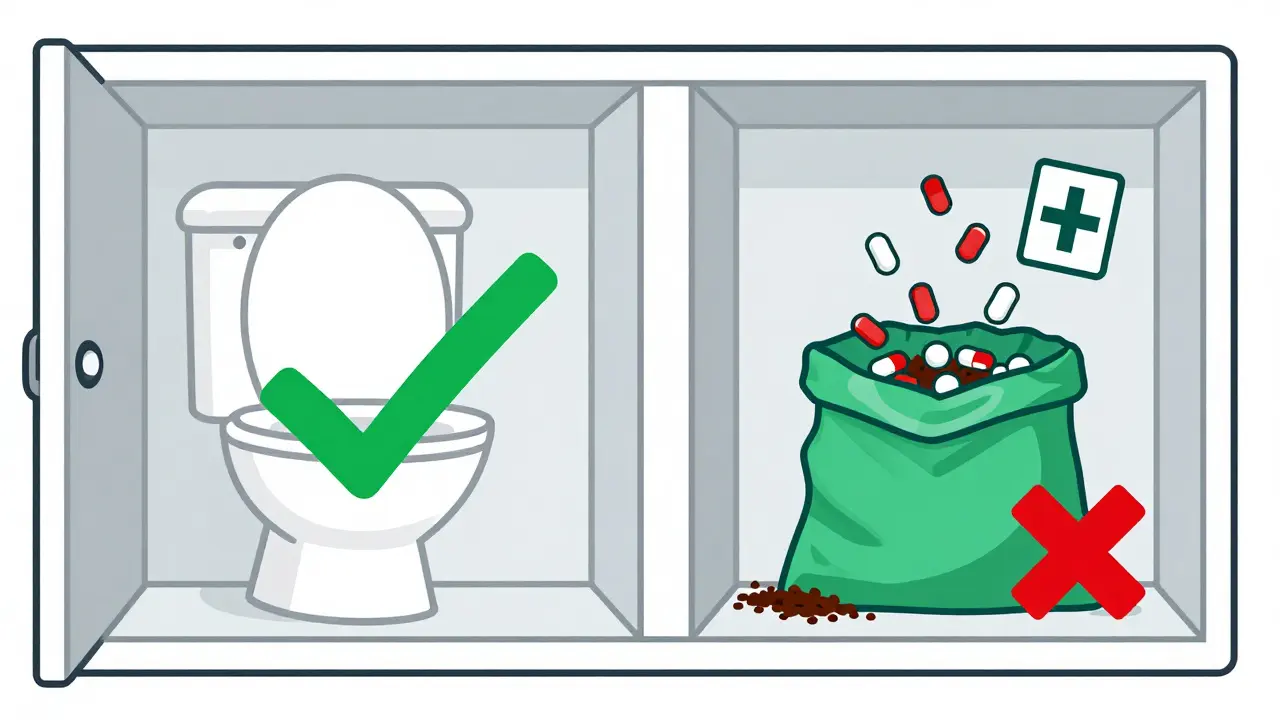
The FDA doesn’t ask you to flush every pill. Only specific drugs that can kill someone with a single dose, and are commonly stolen or misused. These are mostly powerful opioids and a few other high-risk medications. If you’re unsure, check the label. If it contains any of these active ingredients, flush it immediately:- Buprenorphine - found in SUBOXONE, SUBUTEX, BELBUCA
- Fentanyl - in DURAGESIC, ABSTRAL, ACTIQ
- Hydromorphone - EXALGO
- Meperidine - DEMEROL
- Methadone - DOLOPHINE, METHADOSE
- Morphine - MS CONTIN, KADIAN, EMBEDA
- Oxymorphone - OPANA, OPANA ER
- Tapentadol - NUCYNTA, NUCYNTA ER
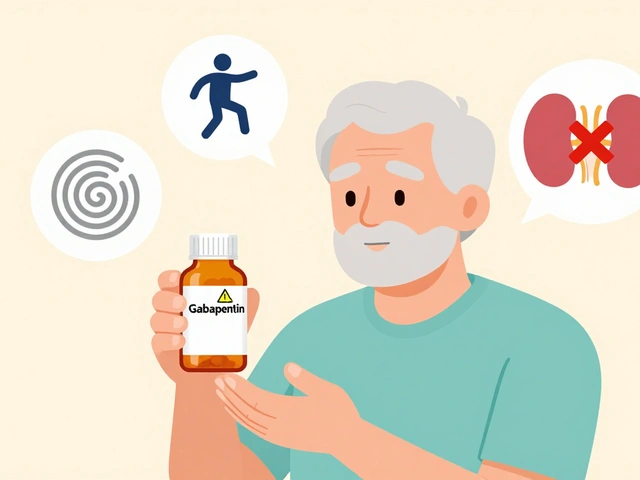
- Sodium oxybate - XYREM, XYWAV
- Diazepam rectal gel - DIASTAT, DIASTAT ACUDIAL
- Methylphenidate transdermal system - DAYTRANA
These aren’t random picks. Fentanyl, for example, is 50 to 100 times stronger than morphine. One patch, if pulled from the trash and applied to the skin, can stop a person’s breathing in minutes. That’s why the FDA says: if it’s on this list, don’t wait. Don’t mix it with coffee grounds. Don’t hide it in a jar. Flush it right away.
Why Not Just Throw Them Away?
You might think, “I’ll just hide it in the trash. No one will find it.” But people do. In 2022, the American Association of Poison Control Centers reported over 8,900 cases of fentanyl exposure-42% involved children under five. Most of those cases came from homes where unused meds were tossed in the trash.Substance Abuse and Mental Health Services Administration (SAMHSA) data shows more than half of people who misuse prescription painkillers get them from friends or family-often by digging through their trash. A teenager in Ohio found OPANA ER pills in a neighbor’s bin. He died. The case led to new local laws requiring special disposal for Schedule II drugs.
Flushing isn’t about convenience. It’s about speed. Once a pill hits the water, it’s gone. In the trash, it’s a target.
What About the Environment?
You’ve probably heard that flushing drugs pollutes water. That’s true. Wastewater plants remove only 30% to 90% of pharmaceuticals. Some, like carbamazepine, barely get filtered out at all. Fish in rivers show signs of hormone disruption from meds that wash down drains.But here’s the hard truth: the EPA and FDA agree that for these specific drugs, the risk of death outweighs the risk of pollution. Dr. John Scott from the EPA told Congress in 2022 that the environmental impact of flushing one fentanyl patch is negligible compared to the chance of multiple overdoses if it stays in the trash.
It’s a trade-off-and the public health side wins. You’re not saving the river by leaving a lethal dose in your kitchen bin.
What If My Medicine Isn’t on the List?
Most medications aren’t on the flush list. For those, follow the FDA’s safe disposal steps:- Take pills out of their original bottles.
- Don’t crush tablets or capsules.
- Mix them with something unappetizing-used coffee grounds, kitty litter, or dirt.
- Put the mixture in a sealed plastic bag.
- Throw the bag in your household trash.
This makes the medicine unappealing and hard to recover. It doesn’t destroy it-but it makes it far less likely someone will dig it out.
Never flush non-listed meds. Don’t pour liquid painkillers down the sink. Don’t burn them. These methods are unsafe and often illegal.
What About Take-Back Programs?
The best option? Use a medication take-back program. Walgreens has over 2,000 disposal kiosks. CVS has nearly 1,800. Many police stations and pharmacies offer drop-off bins. In Minnesota, there are more than 300 locations. You can drop off almost any medication-except those on the flush list, which should go straight down the toilet.But here’s the problem: only about 15% of people use these programs. Why? Too many don’t know they exist. Others think it’s too far. Or they forget.
If you have a flush-list drug, don’t wait for a drop-off. Flush it. Now. Take-back programs are great for everything else-but they’re too slow for fentanyl, methadone, or oxymorphone.
What’s Changing in 2026?
New packaging is starting to appear. Some pharmacies now give out envelopes with activated charcoal that neutralizes meds when water is added. A 2023 pilot at the University of Florida found these cut improper disposal by 63%. The FDA is watching closely.Legislation is also moving. The SNIPED Act, introduced in 2023, would require doctors to give disposal instructions with every Schedule II prescription. That’s a big step.
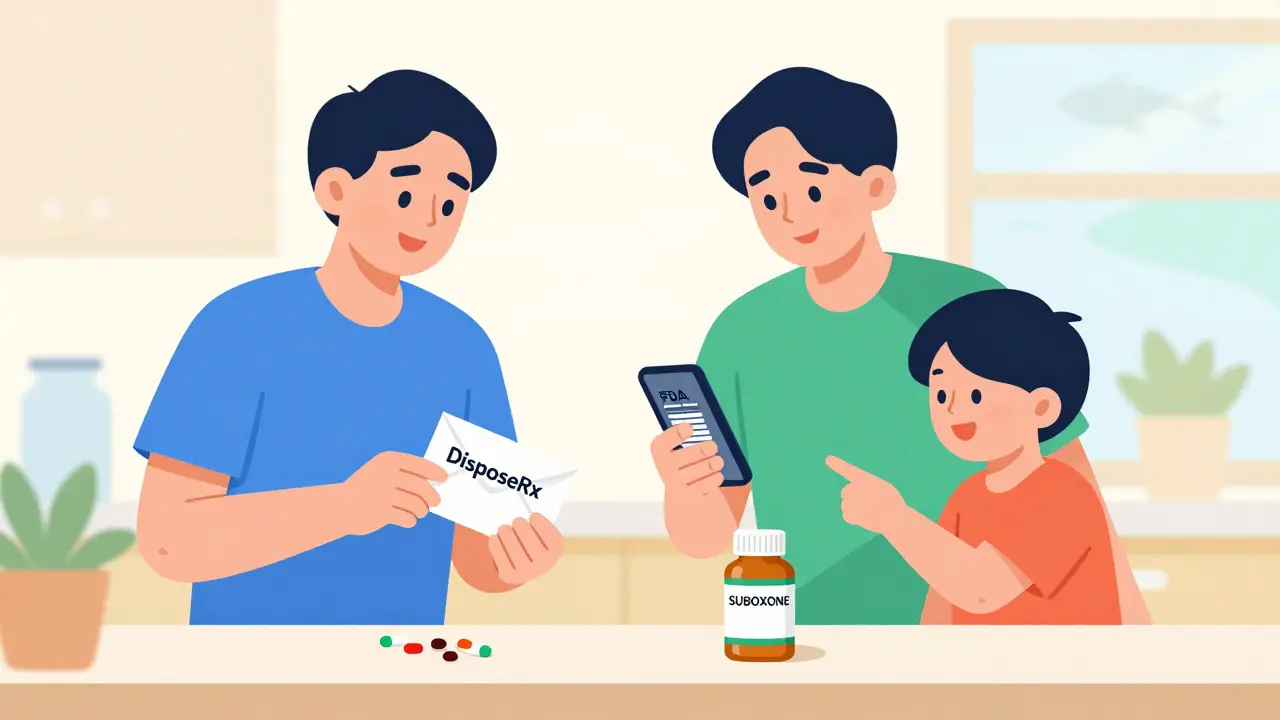
Meanwhile, companies like DisposeRx sell single-use powder packets for $1.50 that turn pills into gel-safe for trash. Over 1,200 pharmacies now offer them.
But until these become standard, the flush list remains the fastest, most reliable way to protect your home.
How to Check If Your Medicine Is on the List
Don’t guess. Look at the label. Find the active ingredient. If it matches any of the 11 listed above, flush it. If you’re unsure, call your pharmacist. They can tell you in seconds.Many people don’t know the difference between brand names and active ingredients. SUBOXONE and buprenorphine are the same thing. DURAGESIC and fentanyl are the same. You don’t need to memorize brand names. Just learn the active ingredient.
Keep a list taped to your medicine cabinet. Or save it on your phone. It takes 30 seconds to check-and it could save a life.
What to Do If Someone Already Found the Pills
If you suspect someone-child, teen, or adult-has taken a medication from the trash, act fast:- Call Poison Control immediately: 1-800-222-1222 (U.S.)
- If they’re unconscious or not breathing, call 911
- Bring the medicine container if you have it
Time matters. Fentanyl overdoses can kill in under 10 minutes. Naloxone (Narcan) can reverse it-but only if given quickly.
Don’t wait for symptoms. If there’s even a chance they got into a flush-list drug, assume the worst and get help.
Can I flush all my old pills down the toilet?
No. Only flush medications on the FDA’s official flush list. Flushing other drugs harms the environment and is against guidelines. For everything else, mix with coffee grounds or kitty litter and throw in the trash.
What if I don’t have running water to flush?
Even without running water, flush the medication immediately. Use any toilet. If you’re in a home with a septic system, it’s still safer than leaving it in the trash. The risk of accidental overdose is far greater than any septic system concern. If you’re unsure, call your local pharmacy or poison control for guidance.
Are there penalties for not flushing these drugs?
There are no legal penalties for individuals who don’t flush these medications. But if a child or someone else is harmed because a lethal drug was found in your trash, you could face civil liability or criminal charges in some states, especially if negligence is proven.
Can I just bury the pills in my backyard?
No. Burying pills is unsafe and often illegal. It doesn’t destroy the drug, and rain can wash it into groundwater. It also risks pets or wildlife digging them up. Always follow FDA disposal guidelines: flush the ones on the list, or mix others with trash.
How often should I clean out my medicine cabinet?
Do it every six months. Check expiration dates, unused prescriptions, and old painkillers. If you find any drug on the FDA flush list, flush it immediately. For others, use the coffee grounds method. Don’t wait until you’re out of space-do it before someone else finds them.


Oh wow, I didn’t know flushing my grandma’s fentanyl patch was the only thing saving my nephew from becoming a statistic. Guess I’ll stop pretending I’m too lazy to walk to the pharmacy-again.
Flush drugs into water? In India we throw everything into rivers and still have 1.4 billion people alive. Your ‘science’ is Western paranoia dressed as public health. Your ‘flush list’ is just another tool to control the poor. Who authorized you to decide what poison gets dumped where?
It is imperative to recognize, unequivocally, that the FDA’s flush-list protocol is not merely a recommendation-it is a biohazard mitigation protocol, grounded in epidemiological data, risk-benefit analysis, and environmental toxicology thresholds that have been peer-reviewed and validated by the EPA and CDC. Failure to comply constitutes a preventable public health failure, with demonstrable morbidity and mortality correlates.
Why are you only flushing opioids? What about my daughter’s SSRIs? She’s suicidal. I keep them in a locked box-but what if someone breaks in? Should I just flush them too? And why don’t you mention that 70% of people who overdose on these drugs get them from their own medicine cabinets? You’re blaming the trash, not the system.
Wait… so I’m supposed to flush my dad’s methadone? After he died of cancer? And now I’m supposed to feel guilty because I didn’t know? I didn’t even know what ‘buprenorphine’ meant until I read this. I’m not a pharmacist. I’m a single mom who works two jobs. Who the hell is supposed to memorize this list? You’re not helping-you’re just making people feel like monsters for being human.
One flush. One minute. Could save a life. That’s all it takes. Don’t overthink it. Don’t wait for the perfect solution. Do the thing. Now.
Thank you for this comprehensive and clinically accurate overview. I work in emergency medicine, and I see the consequences of improper disposal weekly. The FDA’s flush list is not ideal from an environmental standpoint-but it is the most effective harm-reduction intervention we have for high-risk pharmaceuticals. I encourage all readers to download the FDA’s official list as a PDF and pin it to their refrigerator. Prevention is always better than intervention.
WHAT IF I’M JUST A NORMAL PERSON WHO DIDN’T KNOW?? I THREW OUT MY DAD’S OXIMORPHONE BECAUSE I THOUGHT IT WAS JUST “OLD PAIN PILLS” AND NOW I’M GOING TO HAVE NIGHTMARES FOREVER-WHY DIDN’T ANYONE TELL ME?? I’M NOT A DOCTOR I’M A BARISTA!!
my aunt just told me she flushes everything because she’s scared. i told her to stop. the environment isn’t gonna die from a few pills. but if she’s scared, she should just use a take-back bin. we’ve got one at the library. it’s easy. no guilt. no drama. just do the thing.
It’s so easy to forget how dangerous these things are until someone you love almost doesn’t make it. I’m glad this is getting more attention. I’ll be checking my cabinet this weekend. Thank you for the clarity.
in India we have a saying: ‘if it’s not your problem, don’t make it yours.’ flush it? sure. but who’s paying for the water treatment upgrades? who’s fixing the sewage? you think your flush is a hero move? it’s a bandaid on a bullet wound. the real problem is pharma companies pushing opioids like candy and then pretending they care when the kids die. you’re not saving lives-you’re just making yourself feel better.