
DPP-4 Inhibitor Joint Pain Checker
Symptom Assessment Tool
Answer the following questions to assess if your symptoms align with the FDA warning regarding DPP-4 inhibitors and joint pain.
You wake up one morning, step out of bed, and your knees feel like they’re filled with gravel. It’s not just a little stiffness; it’s sharp, debilitating pain that makes walking difficult. If you’ve been taking a medication for type 2 diabetes known as a DPP-4 inhibitor (specifically a class of oral antihyperglycemic medications used to manage blood sugar levels by increasing incretin hormones), this isn’t just bad luck. It might be your medication.
For years, patients have reported severe joint pain after starting drugs like Januvia (generic name sitagliptin), Onglyza (generic name saxagliptin), or Tradjenta (generic name linagliptin). Many doctors initially dismissed these complaints as age-related arthritis or unrelated injuries. But in 2015, the U.S. Food and Drug Administration (FDA) issued a clear warning: DPP-4 inhibitors can cause severe and disabling joint pain. This is a real, documented side effect that requires immediate attention if you experience it.
The FDA Warning: What Happened?
The connection between DPP-4 inhibitors and joint pain wasn’t always obvious. These drugs were first approved in 2006, with sitagliptin leading the way. They work by blocking an enzyme called DPP-4, which helps regulate insulin release. For many people, they are effective and well-tolerated. However, over time, reports started pouring in.
In August 2015, the FDA reviewed data from its Adverse Event Reporting System (FAERS). They found 33 cases of severe joint pain (arthralgia) linked to these drugs between 2006 and 2013. The breakdown was telling:
- Sitagliptin (Januvia): 28 cases
- Saxagliptin (Onglyza): 5 cases
- Linagliptin (Tradjenta): 2 cases
- Alogliptin (Nesina): 1 case
- Vildagliptin (Galvus): 2 cases
What made these cases stand out was their severity. All 33 patients experienced pain so intense that it significantly reduced their ability to perform daily activities. Ten of them even required hospitalization. The FDA concluded that this was not a coincidence but a potential class-wide effect of DPP-4 inhibitors.
Recognizing the Symptoms: Is It Your Meds?
How do you know if your joint pain is coming from your diabetes medication? Timing and pattern are key indicators. According to FDA data, symptoms often appear within the first month of starting the drug. In 22 of the 33 reported cases, pain developed within 30 days. However, don’t rule it out if you’ve been on the medication for longer-some patients reported onset after a year of use.
The pain is typically described as sudden and severe. It often affects multiple joints, such as both knees, wrists, or ankles. Unlike typical osteoarthritis, which worsens gradually, DPP-4 inhibitor-induced pain can strike quickly and intensely. Patients have described an inability to walk, climb stairs, or even hold objects due to the discomfort.
A critical clue is what happens when you stop the medication. In 23 of the 33 cases, the pain resolved within a month of discontinuing the drug. Even more telling, eight patients experienced a return of symptoms when they restarted the medication (a phenomenon known as rechallenge). This strong correlation suggests a direct causal link.
Why Does This Happen?
The exact mechanism behind DPP-4 inhibitor-induced joint pain remains unclear. DPP-4 enzymes are present throughout the body, including in immune cells and tissues involved in inflammation. Some researchers believe that inhibiting DPP-4 may alter immune responses or increase inflammatory markers, leading to joint irritation. Others suggest it could be related to changes in glucagon-like peptide-1 (GLP-1) levels, which play a role in metabolism and potentially inflammation.
While the science is still evolving, the clinical evidence is robust. A meta-analysis of 67 randomized controlled trials published in Clinical Diabetes found a statistically significant increased risk of overall arthralgia with DPP-4 inhibitor use (relative risk 1.13). More recently, a study of older adult veterans showed an adjusted odds ratio of 1.17 for joint pain among those prescribed DPP-4 inhibitors compared to those who weren’t.

What Should You Do If You Experience Joint Pain?
If you’re taking a DPP-4 inhibitor and develop new, severe joint pain, here’s what you need to do:
- Don’t ignore it. Severe joint pain is not a normal part of aging or diabetes management. It warrants medical evaluation.
- Contact your healthcare provider immediately. Explain your symptoms clearly, including when they started and how they affect your daily life. Mention that you’re taking a DPP-4 inhibitor.
- Do not stop your medication abruptly without consulting your doctor. While discontinuation is often necessary, your provider needs to help you transition to an alternative treatment to keep your blood sugar under control.
- Keep a symptom diary. Note the onset, location, intensity, and any triggers. This information can help your doctor make an accurate diagnosis.
Your doctor may recommend stopping the DPP-4 inhibitor and switching to another class of diabetes medication, such as metformin, SGLT2 inhibitors, or GLP-1 receptor agonists. In most cases, the joint pain resolves within days to weeks after discontinuation.
Differential Diagnosis: Ruling Out Other Causes
Before blaming your diabetes medication, it’s important to rule out other common causes of joint pain. Conditions like rheumatoid arthritis, lupus, gout, or viral infections can mimic DPP-4 inhibitor-induced arthralgia. Many patients were initially misdiagnosed with autoimmune disorders before the connection to their medication was recognized.
Your doctor may order blood tests to check for inflammatory markers (such as C-reactive protein or erythrocyte sedimentation rate) and autoantibodies. Imaging studies like X-rays or MRIs might also be used to assess joint damage. If no other cause is found, and the pain improves after stopping the DPP-4 inhibitor, the diagnosis becomes clearer.
Risk Factors and Prevalence
Not everyone who takes DPP-4 inhibitors will experience joint pain. The absolute risk appears low compared to the millions of prescriptions written annually. Sitagliptin alone accounts for approximately 35 million prescriptions per year in the United States. However, certain factors may increase susceptibility:
- Age: Older adults may be more prone to joint issues, making it harder to distinguish between age-related arthritis and drug-induced pain.
- Pre-existing joint conditions: Individuals with a history of osteoarthritis or rheumatoid arthritis might be at higher risk.
- Genetic predisposition: Some genetic variations may influence how individuals metabolize DPP-4 inhibitors, though this area requires further research.
Despite the low prevalence, the impact on quality of life can be profound. Patients have reported being unable to work, care for themselves, or enjoy hobbies due to the severity of the pain.
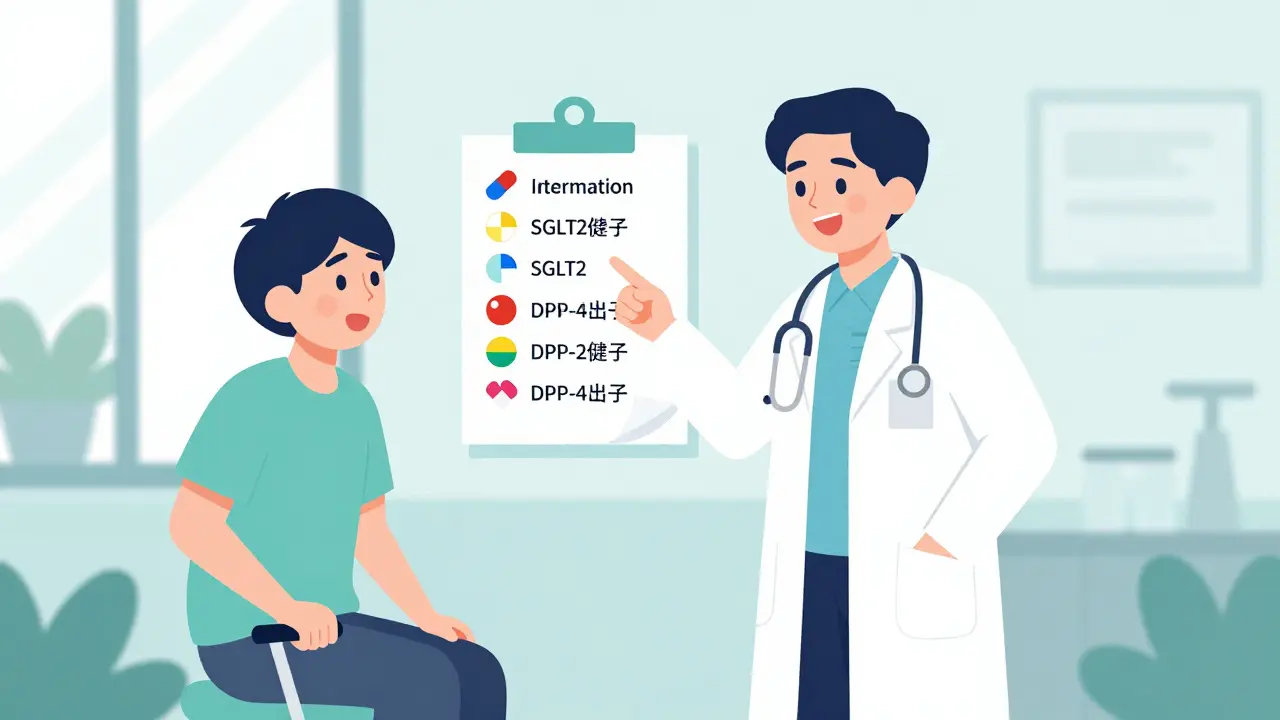
Alternatives to DPP-4 Inhibitors
If you develop joint pain from a DPP-4 inhibitor, there are several effective alternatives for managing type 2 diabetes. Your doctor will consider your individual health profile, including kidney function, cardiovascular risk, and previous medication responses.
| Medication Class | Common Examples | Mechanism of Action | Joint Pain Risk |
|---|---|---|---|
| Metformin | Glucophage | Decreases liver glucose production | Very Low |
| SGLT2 Inhibitors | Jardiance, Farxiga | Excretes glucose through urine | Low |
| GLP-1 Receptor Agonists | Ozempic, Trulicity | Stimulates insulin release, slows digestion | Low |
| Sulfonylureas | Glipizide, Glyburide | Stimulates insulin secretion from pancreas | Low |
| DPP-4 Inhibitors | Januvia, Onglyza | Inhibits DPP-4 enzyme | Moderate (Class Warning) |
Switching medications is usually straightforward. Most patients tolerate alternative therapies well, and blood sugar control can be maintained effectively. The key is open communication with your healthcare team.
Long-Term Outlook and Monitoring
For most patients, discontinuing the DPP-4 inhibitor leads to complete resolution of joint pain. However, some individuals may experience lingering discomfort or residual stiffness. Physical therapy and anti-inflammatory medications can help manage these symptoms during recovery.
The FDA continues to monitor this issue through its Sentinel Initiative, which analyzes electronic health records from over 250 million Americans. Recent studies using this data have confirmed an adjusted hazard ratio of 1.24 for joint pain requiring medical attention among DPP-4 inhibitor users. This ongoing surveillance ensures that any new trends or risks are identified promptly.
The American College of Rheumatology is also developing diagnostic criteria to help differentiate DPP-4 inhibitor-induced arthralgia from other rheumatologic conditions. These guidelines aim to reduce misdiagnosis and improve patient outcomes.
Conclusion: Stay Vigilant, Stay Informed
DPP-4 inhibitors remain a valuable tool in the treatment of type 2 diabetes. For most patients, the benefits outweigh the risks. However, awareness of potential side effects like severe joint pain is crucial. By recognizing the signs early and communicating openly with your healthcare provider, you can protect your health and maintain effective diabetes management.
If you experience unexplained joint pain while taking a DPP-4 inhibitor, don’t wait. Seek medical advice promptly. Your mobility and quality of life depend on it.
How long does it take for joint pain to resolve after stopping DPP-4 inhibitors?
In most cases, joint pain begins to improve within days to weeks after discontinuing the medication. According to FDA data, 23 out of 33 reported cases resolved within one month. Complete resolution may take longer depending on the severity and duration of symptoms.
Can I switch to another DPP-4 inhibitor if I experience joint pain?
It is generally not recommended to switch to another DPP-4 inhibitor if you have experienced severe joint pain. The FDA warning applies to the entire class of drugs, and rechallenge with a different DPP-4 inhibitor has led to recurrent symptoms in some patients. Consult your doctor about alternative medication classes.
Are there any home remedies for DPP-4 inhibitor-induced joint pain?
While resting the affected joints and applying ice packs may provide temporary relief, the primary treatment is discontinuation of the medication. Over-the-counter pain relievers like acetaminophen or NSAIDs might help manage discomfort, but they do not address the underlying cause. Always consult your doctor before starting new treatments.
Is joint pain a common side effect of all diabetes medications?
No, severe joint pain is specifically associated with DPP-4 inhibitors. Other classes of diabetes medications, such as metformin, SGLT2 inhibitors, and GLP-1 receptor agonists, have different side effect profiles and are not linked to this specific adverse reaction.
Should I report my joint pain to the FDA?
Yes, reporting adverse events helps the FDA monitor drug safety. You can submit a report through the FDA’s MedWatch program online or by mail. Your healthcare provider can also assist you in filing a report. This contributes to ongoing pharmacovigilance efforts.