Feb 22, 2026
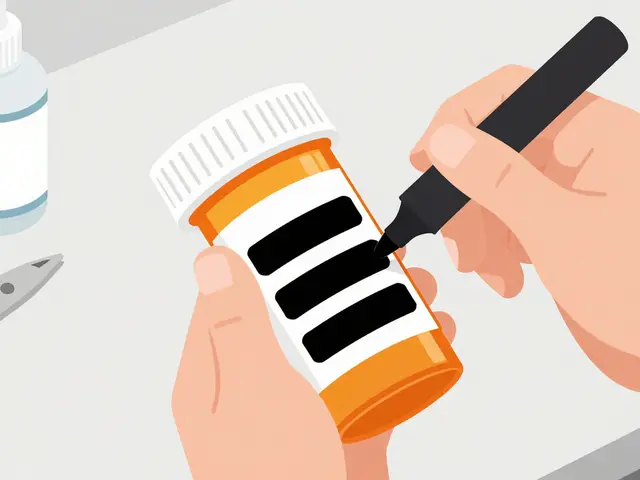
How to Disable Personal Information on Medication Bottles to Prevent Identity Theft
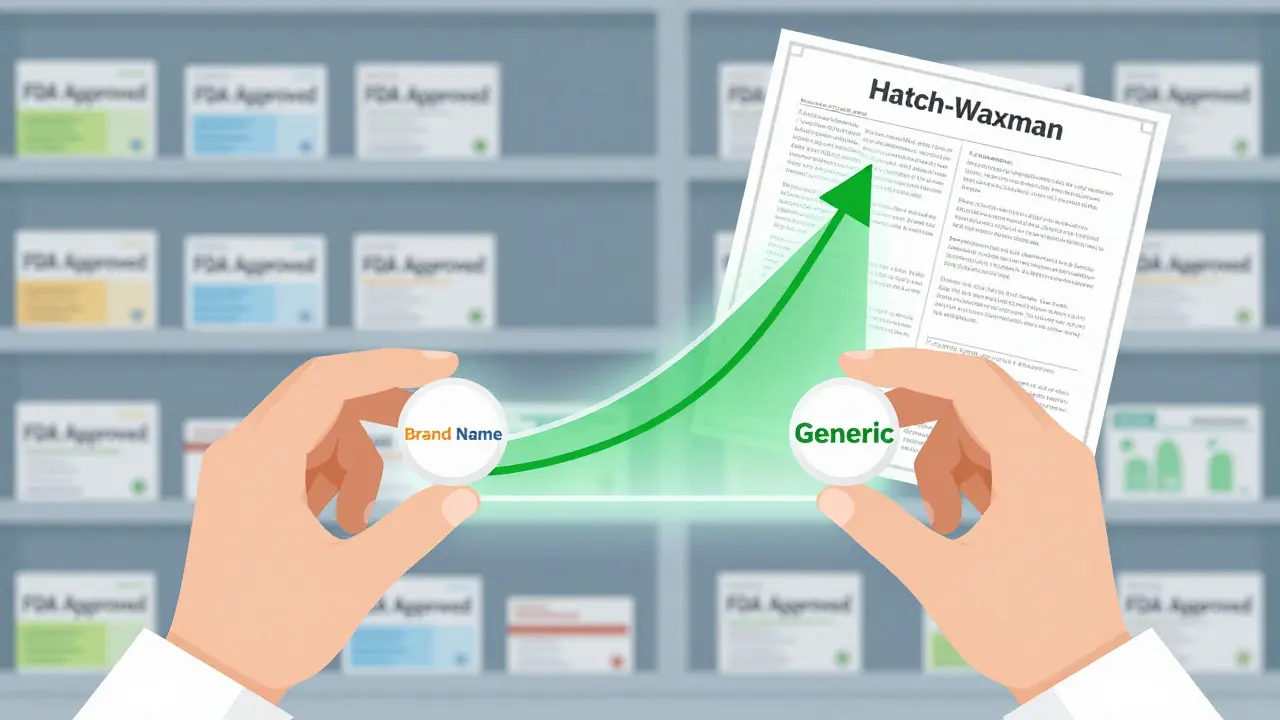
The FDA approves generic drugs through a strict legal process based on the Hatch-Waxman Act. Generics must match brand drugs in active ingredients, strength, and bioequivalence - not just cost. Over 90% of U.S. prescriptions are for generics, saving billions annually.

Cmax and AUC are the two key pharmacokinetic measures used to prove generic drugs work like brand-name versions. Cmax shows peak concentration, AUC shows total exposure-both must fall within 80%-125% for approval.
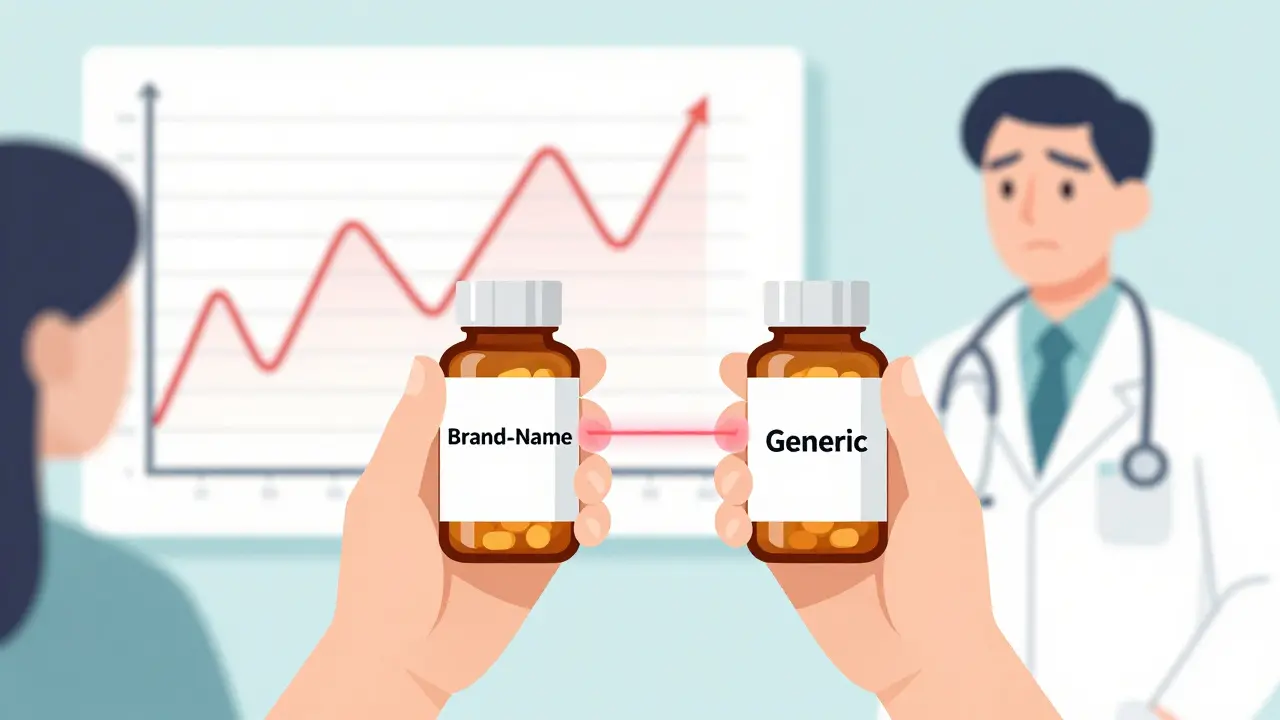
Generic drugs are supposed to be safe and effective alternatives to brand-name medications, but when they fail to work as expected, the consequences can be serious. Learn why some generics don't deliver the same results-and what you can do about it.
Doctors prescribe generics for 90% of medications, but many lack training on bioequivalence. Learn why knowledge gaps persist, how real-world feedback changes prescribing, and what's being done to fix it.
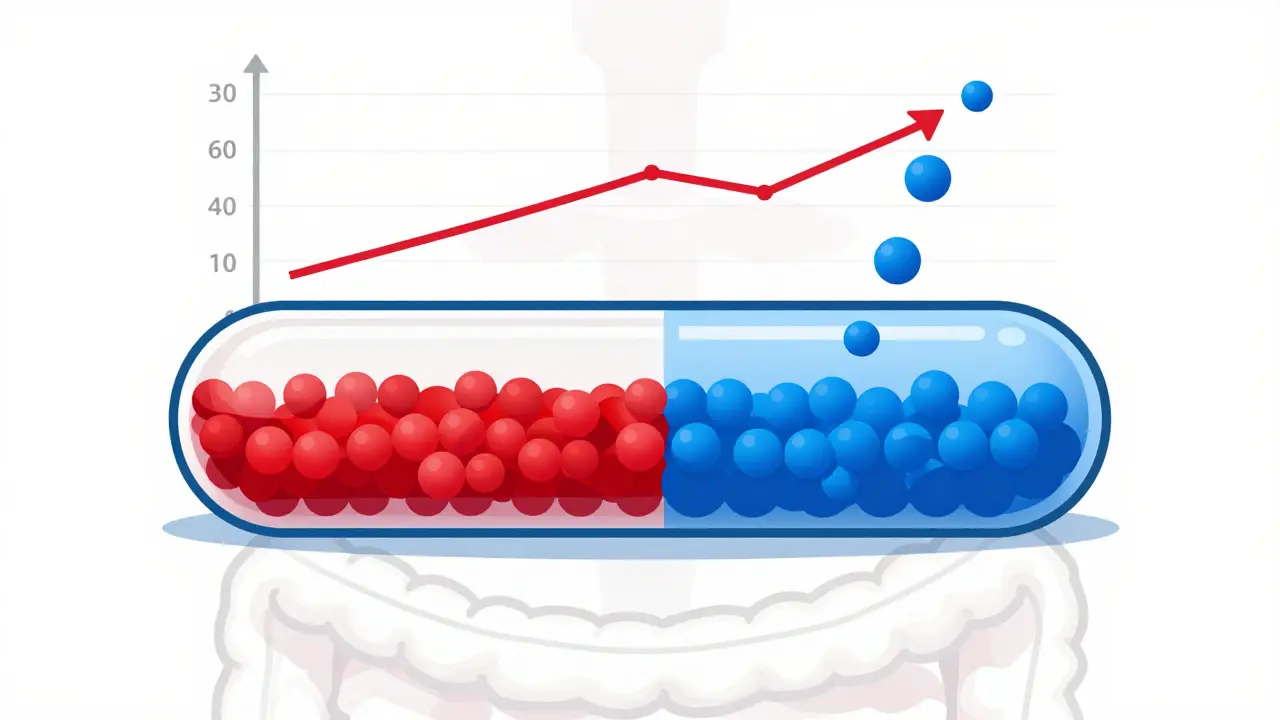
Modified-release formulations require special bioequivalence testing to ensure generics work as safely and effectively as brand-name drugs. Learn the key regulatory requirements, common pitfalls, and why standard tests aren't enough.