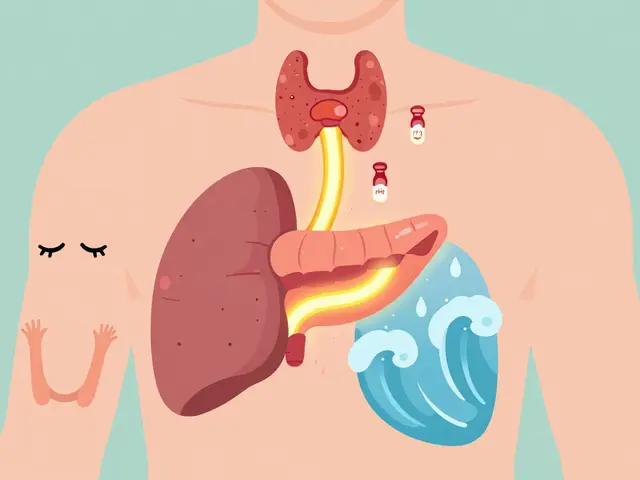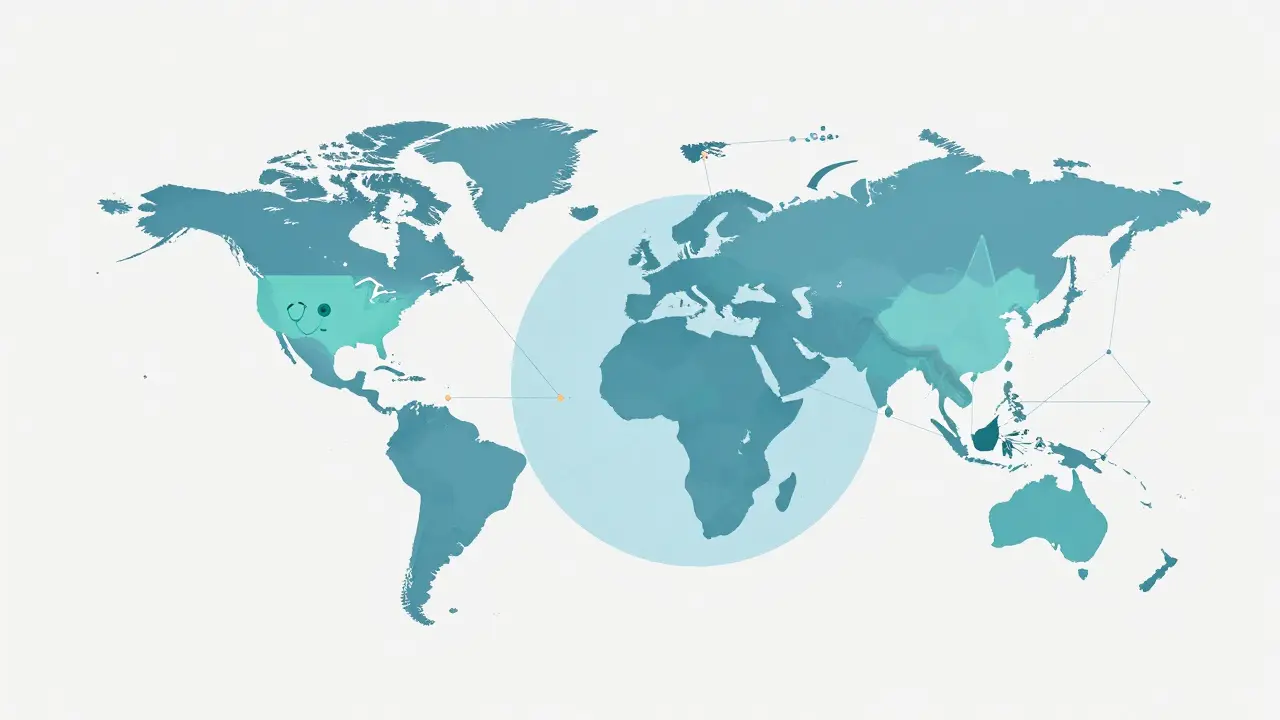
Imagine a new medication hits the market. It passed every clinical trial. The data looked perfect. But then, three months later, patients in Southeast Asia start reporting rare liver issues that never showed up in the U.S. or Europe trials. Without a connected global system, those warnings might stay local, leaving millions at risk. This is exactly why international drug safety monitoring exists.
We often think of drug approval as a one-time event. It’s not. It’s a lifelong process. Once a medicine leaves the lab and enters the real world, its safety profile can change based on who takes it, what they eat, and other medications they use. International systems are the safety net that catches these hidden risks before they become public health crises.
The Backbone: WHO Programme for International Drug Monitoring
At the heart of this global effort is the World Health Organization (WHO) Programme for International Drug Monitoring (PIDM). Established in 1968 following a 1963 resolution, this network was created to solve a simple problem: no single country has enough data to spot rare side effects on its own.
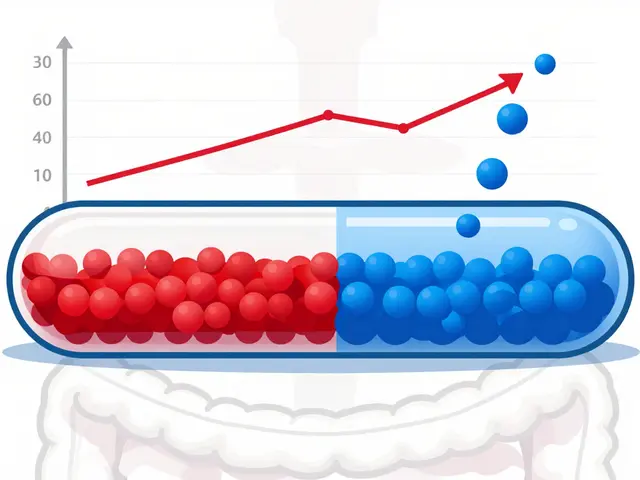
The program relies on the Uppsala Monitoring Centre (UMC) in Sweden, which acts as the central hub. Think of UMC as the librarian of global drug safety. They manage VigiBase, the world's largest database of individual case safety reports (ICSRs). As of mid-2023, VigiBase held over 35 million reports from more than 170 countries. That is a massive jump from just 5 million reports in 2012.
How does it work? When a doctor or patient in Brazil, Japan, or Kenya reports a suspicious reaction, that data travels through national centers to UMC. There, it is standardized and stored. The power lies in the aggregation. A signal that looks like noise in one country becomes a clear pattern when viewed globally.
How Data Moves: Standards and Terminology
You might wonder how a report written in Swahili matches with one written in Swedish. The answer is strict standardization. If everyone used different names for drugs and symptoms, the system would collapse into chaos.
Two key tools make this possible:
- E2B(R3): This is the electronic format for sending reports. It ensures that when a hospital sends data, the receiving center gets it in a structured, readable way.
- MedDRA: The Medical Dictionary for Regulatory Activities provides a common language for symptoms. Instead of saying "tummy ache" or "abdominal distress," users select specific terms from a dictionary of over 78,000 preferred terms. This allows computers to group similar cases together automatically.
Additionally, the WHODrug Global dictionary standardizes medication names. With over 300,000 product names listed, it ensures that "Aspirin" in Germany is recognized as the same active ingredient as "Acetylsalicylic Acid" in the Philippines.
Regional Giants: EU vs. US Systems
While WHO coordinates the global view, regional powers have their own robust systems. Understanding the difference between them helps explain why some regions react faster to safety threats than others.
| Feature | EU EudraVigilance | US FAERS | WHO PIDM/VigiBase |
|---|---|---|---|
| Governing Body | European Medicines Agency (EMA) | Food and Drug Administration (FDA) | Uppsala Monitoring Centre (UMC) |
| Legal Authority | Legally binding regulations | Regulatory enforcement | Voluntary collaboration |
| Annual Reports | ~1.2 million | ~2 million | Aggregated global total |
| Assessment Speed | 92% within 75 days | Variable | Average 120 days |
| Geographic Scope | 30+ Member States | United States only | 170+ Countries |
The European Union’s EudraVigilance is a centralized database for collecting information on suspected adverse reactions to medicines in the EU. operates under strict legal mandates. Marketing companies must submit reports within 15 days of awareness. This pressure creates speed. The EU assesses 92% of priority signals within 75 days. In contrast, the global average is closer to 120 days.
The U.S. system, FAERS, processes huge volumes-about 2 million reports a year-but operates independently. While it contributes data to VigiBase, it doesn't share the same integrated regulatory framework as the EU. This independence means the U.S. can act quickly on domestic issues but may miss cross-border patterns until later.
The Reporting Gap: Why Geography Matters
Here is the uncomfortable truth about global drug safety: it is unequal. High-income countries represent only 16% of the world’s population but submit 85% of all reports to VigiBase. This creates blind spots.
Consider the difference in reporting rates. Sweden reports about 1,200 adverse events per 100,000 people annually. Nigeria reports just 2.3 per 100,000. Does this mean Nigerians have safer drugs? Absolutely not. It means they lack the infrastructure to report problems.
This gap matters because biology varies by region. Genetic differences, environmental factors, and co-infections can trigger side effects that don’t appear elsewhere. For example, the Dengvaxia vaccine controversy highlighted this perfectly. Serious complications appeared primarily in seronegative populations in the Philippines-a nuance that might have been missed if the data had only come from Western trials.
To fix this, initiatives like the MTaPS Pharmacovigilance Monitoring System (PViMS) are helping low-resource settings. In Ethiopia, implementing PViMS cut reporting time from 90 days to 14 days. However, challenges remain. Connectivity issues still prevent 65% of health facilities in some regions from submitting regular reports.

Technology and Future Trends
The industry is evolving fast. The global pharmacovigilance market is projected to grow from $5.38 billion in 2022 to $13.17 billion by 2030. This money is going into smarter technology.
Artificial intelligence is changing how we find signals. Traditional methods relied on humans sifting through thousands of reports. Now, AI-assisted systems at UMC have reduced false positive rates by 28%. This means fewer wasted resources investigating phantom risks and more focus on real dangers.
Another major shift is transparency. Launched in 2015, VigiAccess allows the public to search anonymized data from VigiBase. By late 2022, it had attracted 12 million unique visitors. This democratization of data empowers patients and researchers to ask their own questions about drug safety.
Looking ahead, the implementation of ISO IDMP standards by 2025 aims to standardize product identification across 100+ data elements. This should improve cross-border data matching by 40%, making it easier to track a specific batch of medicine from factory to patient, regardless of borders.
Challenges in Implementation
Building these systems isn't just about software; it's about people and policy. Only 42% of low- and middle-income countries have fully functional systems meeting WHO Level 3 maturity benchmarks. Many rely on donor funding, creating sustainability risks.
Training is another bottleneck. WHO recommends 40 hours of specialized training for safety officers. Yet, a 2022 survey found that 68% of officers in Southeast Asia had received less than 15 hours. Without skilled personnel, even the best software fails.
Furthermore, there is no universal agreement on causality. Experts note that assessment agreement rates between EU and U.S. reviewers sit at only 63% for the same case reports. This inconsistency can delay global consensus on whether a drug is truly dangerous or if a reaction was coincidental.
What is the main purpose of international drug safety monitoring?
The primary goal is to detect, assess, and prevent adverse effects or drug-related problems after a medicine has been approved and released to the public. Since clinical trials involve limited groups, global monitoring helps identify rare or long-term side effects that only appear when millions of diverse patients use the drug.
How does VigiBase work?
VigiBase is the WHO's global database managed by the Uppsala Monitoring Centre. National centers in over 170 countries submit Individual Case Safety Reports (ICSRs) using standardized formats like E2B(R3). The database aggregates this data to help scientists spot safety signals-patterns of adverse reactions-that might indicate a new risk associated with a specific medication.
Why do high-income countries dominate safety reports?
High-income countries have better infrastructure, dedicated budgets, and trained staff for pharmacovigilance. For instance, they spend significantly more per capita on safety systems. Low-income nations often lack reliable internet, formal reporting laws, or trained personnel, leading to severe under-reporting despite potentially higher exposure to certain risks.
What is the difference between spontaneous reporting and active surveillance?
Spontaneous reporting relies on doctors or patients voluntarily sending in reports of side effects. Active surveillance involves proactively searching for safety data, often by linking electronic health records to drug databases. Active surveillance is more sensitive and faster, as seen in the EU's system, which improved detection sensitivity by 37% compared to spontaneous methods alone.
Can I access drug safety data myself?
Yes. The WHO launched VigiAccess, a platform that provides public access to anonymized data from VigiBase. You can search for specific drugs and see reported adverse reactions globally. This tool promotes transparency and allows anyone to review safety trends without needing professional credentials.