May 24, 2026
How to Check for Drug Interactions at Home Safely: A Step-by-Step Guide

Explore the critical gaps in generic availability for combination Narrow Therapeutic Index (NTI) drugs. Learn why bioequivalence standards create barriers, how substitution risks affect patient safety, and what monitoring strategies are essential for complex regimens.
Discover how generic combinations differ from brand formulations regarding inactive ingredients. Learn about bioequivalence, risks for sensitive patients, and tips for safe medication management.
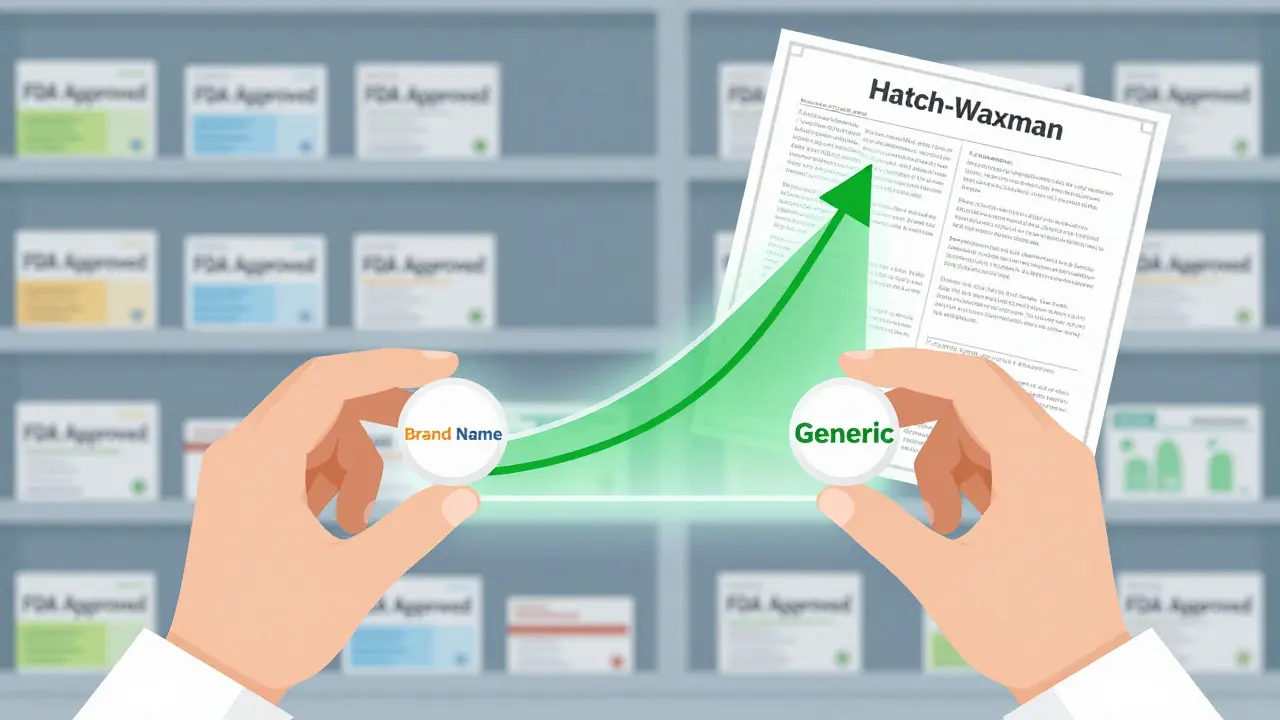
The FDA approves generic drugs through a strict legal process based on the Hatch-Waxman Act. Generics must match brand drugs in active ingredients, strength, and bioequivalence - not just cost. Over 90% of U.S. prescriptions are for generics, saving billions annually.

Cmax and AUC are the two key pharmacokinetic measures used to prove generic drugs work like brand-name versions. Cmax shows peak concentration, AUC shows total exposure-both must fall within 80%-125% for approval.
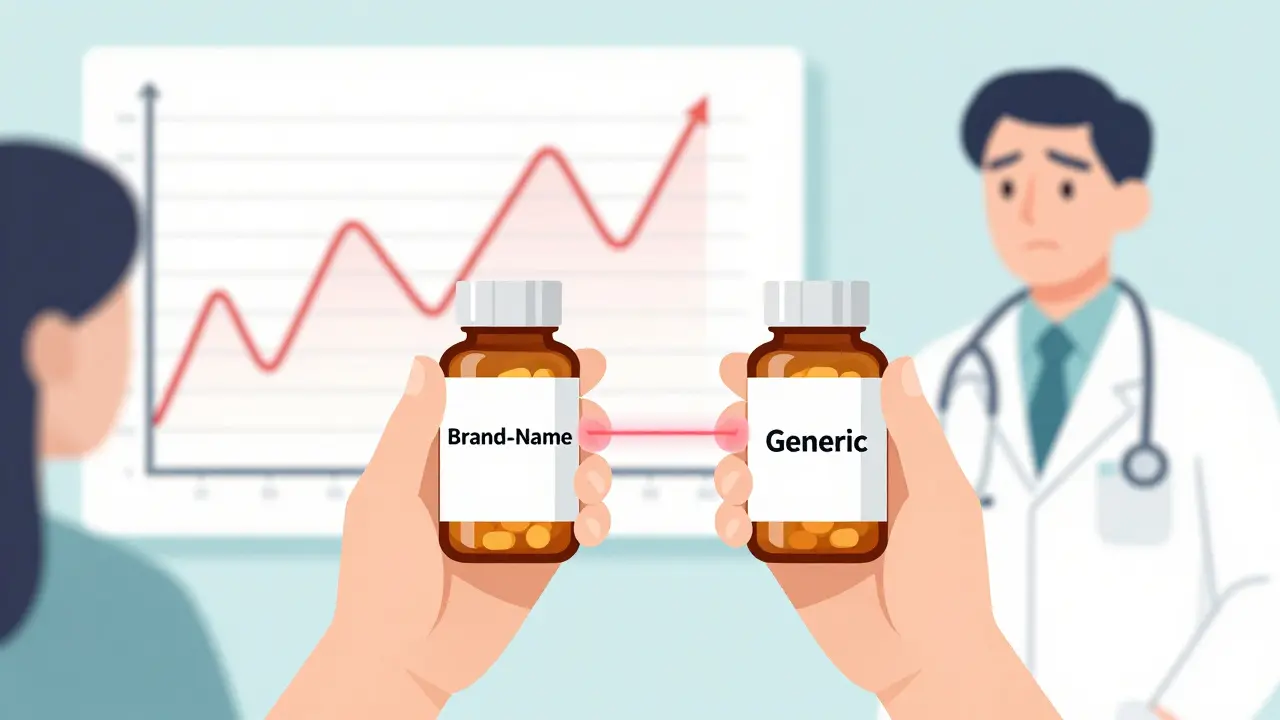
Generic drugs are supposed to be safe and effective alternatives to brand-name medications, but when they fail to work as expected, the consequences can be serious. Learn why some generics don't deliver the same results-and what you can do about it.
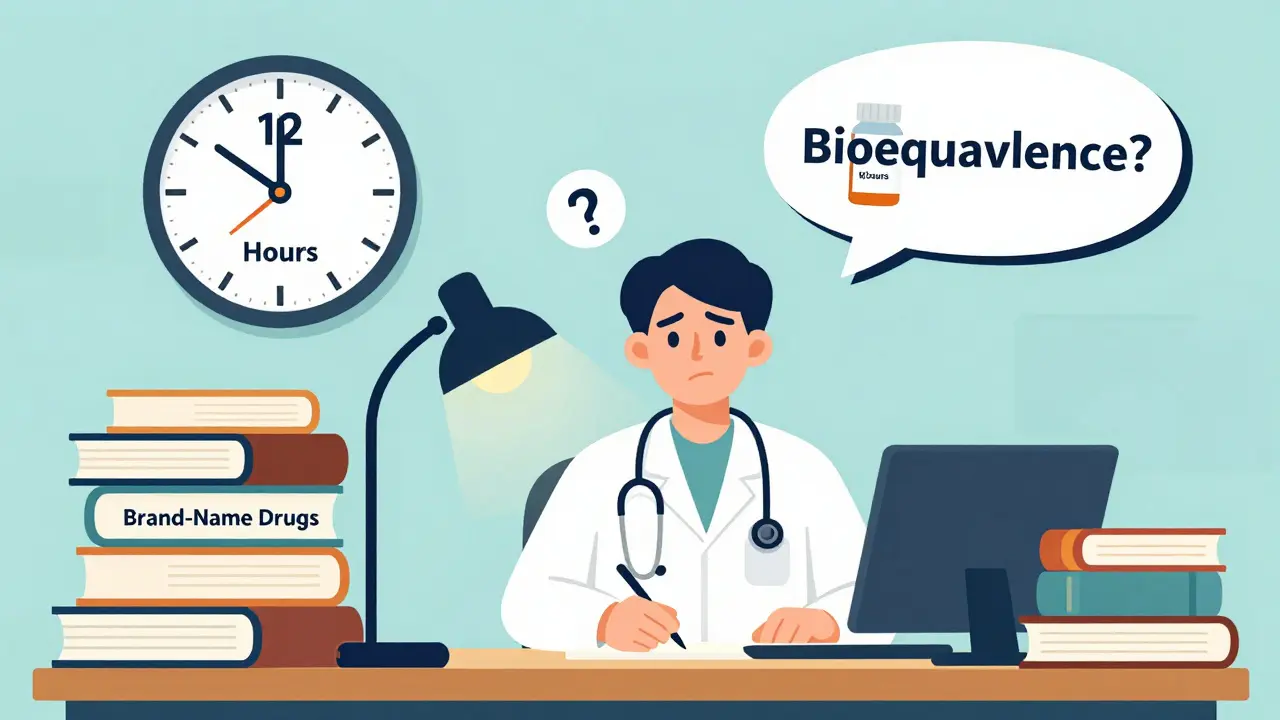
Doctors prescribe generics for 90% of medications, but many lack training on bioequivalence. Learn why knowledge gaps persist, how real-world feedback changes prescribing, and what's being done to fix it.
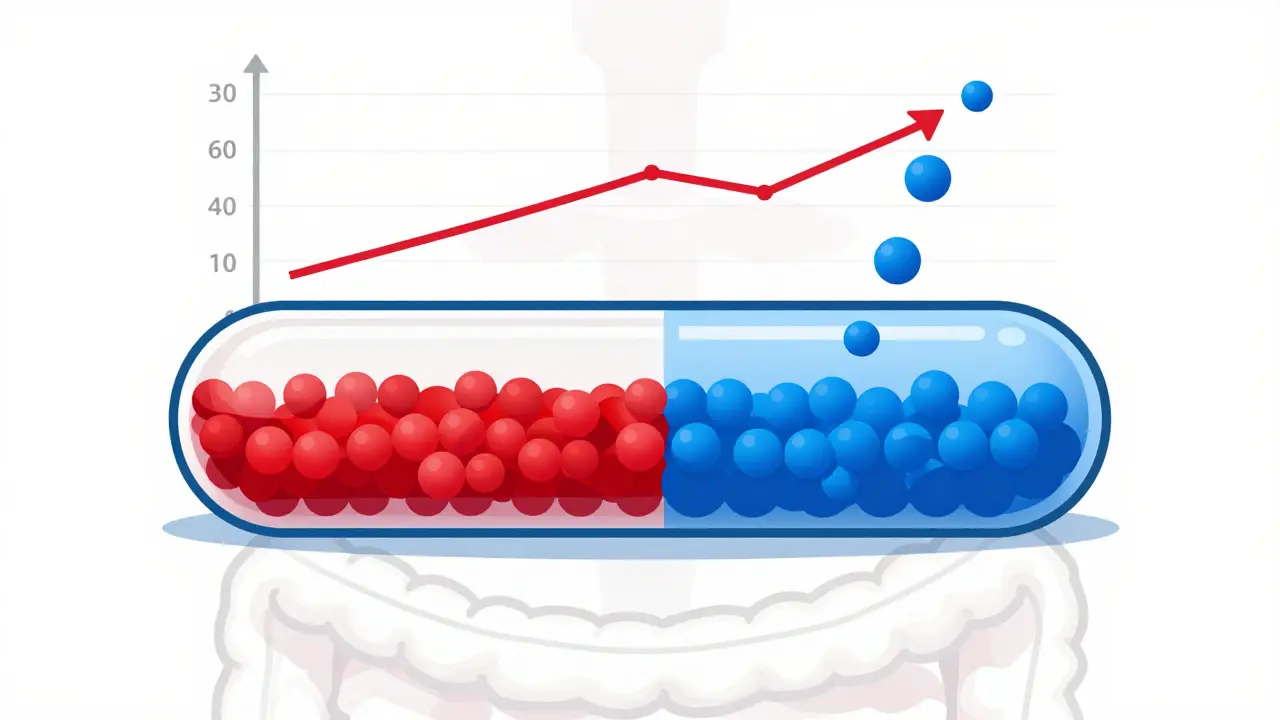
Modified-release formulations require special bioequivalence testing to ensure generics work as safely and effectively as brand-name drugs. Learn the key regulatory requirements, common pitfalls, and why standard tests aren't enough.