Jan 4, 2026
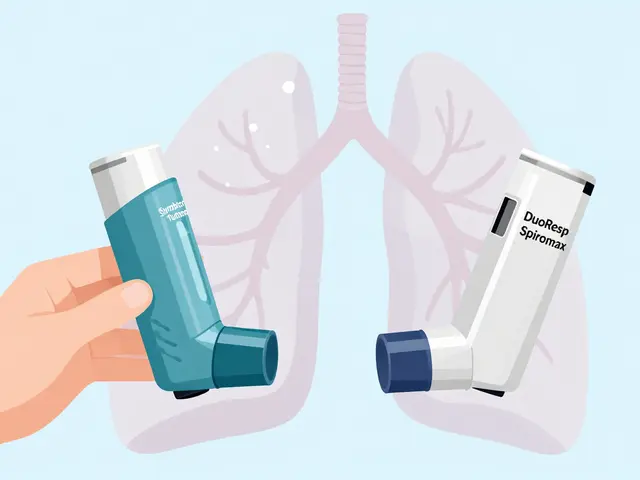
Respiratory Combination Inhalers: What You Need to Know Before Switching to a Generic
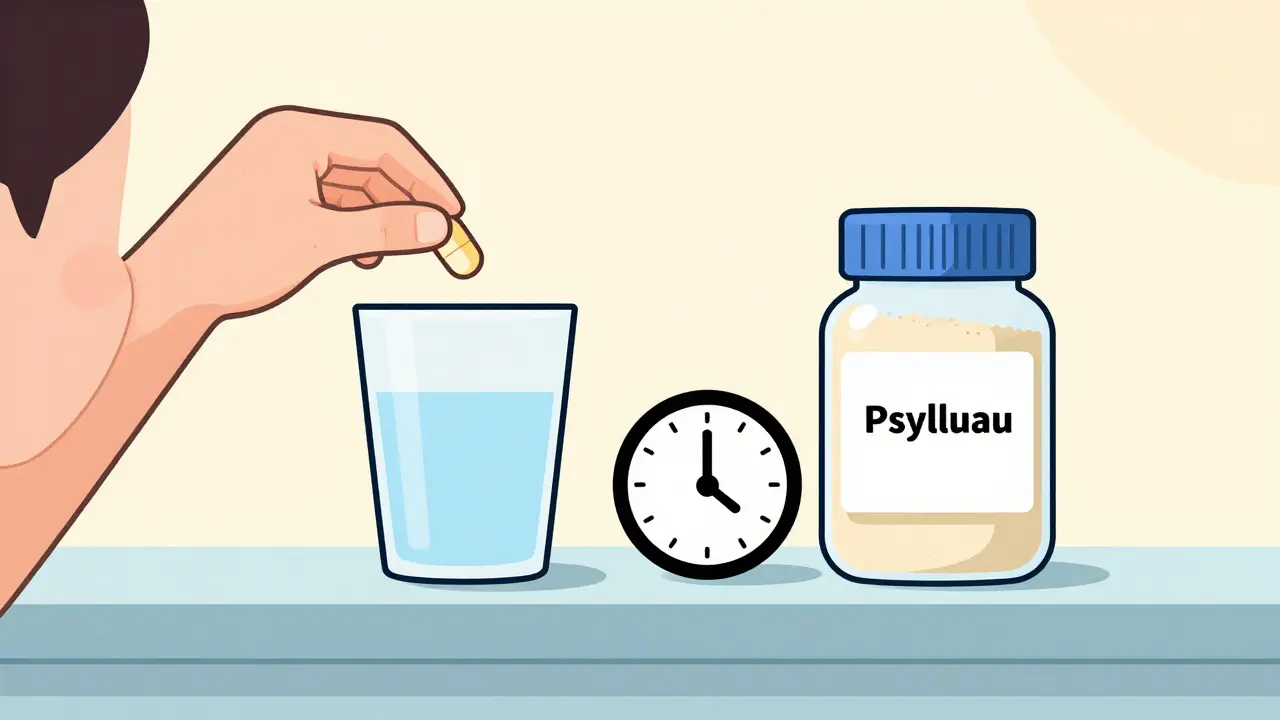
Learn the right time to take fiber supplements like psyllium with your medications to avoid reduced effectiveness and manage constipation safely. Key tips for metformin, lithium, and other common drugs.
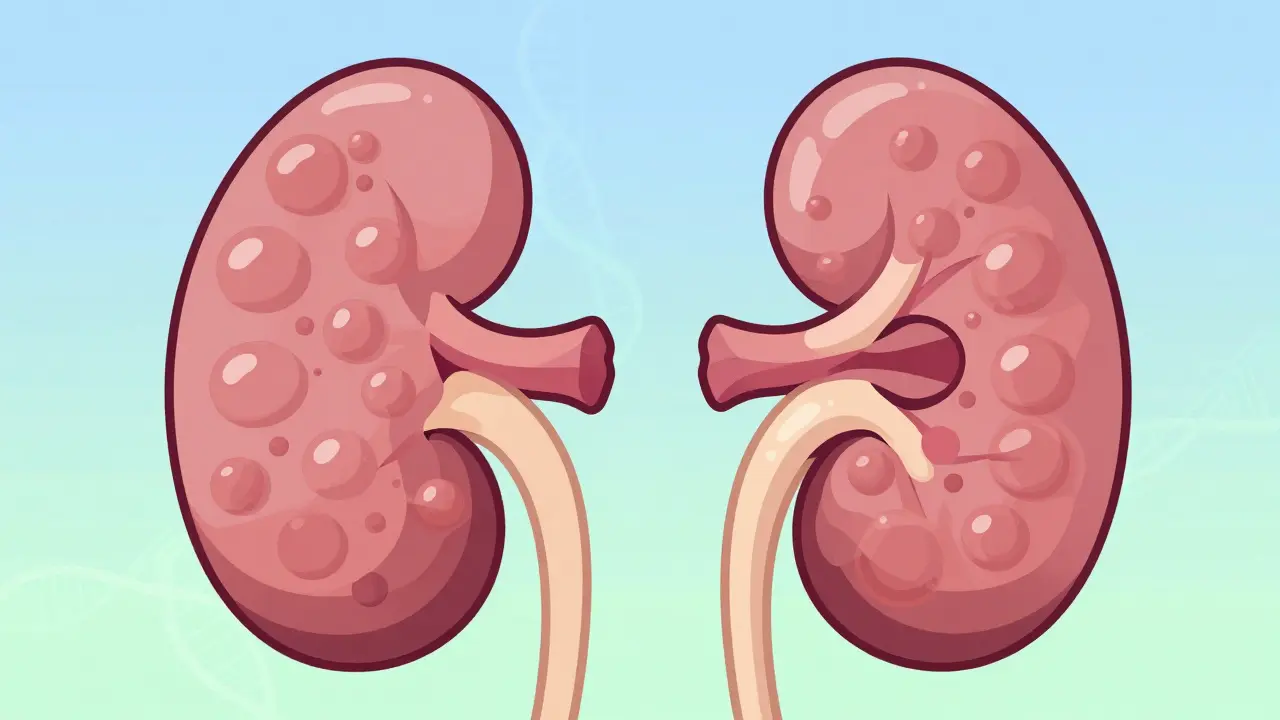
Polycystic kidney disease is a genetic condition causing cysts to grow in the kidneys, leading to kidney failure. Learn how ADPKD and ARPKD differ, how to manage symptoms, and what new treatments are on the horizon.
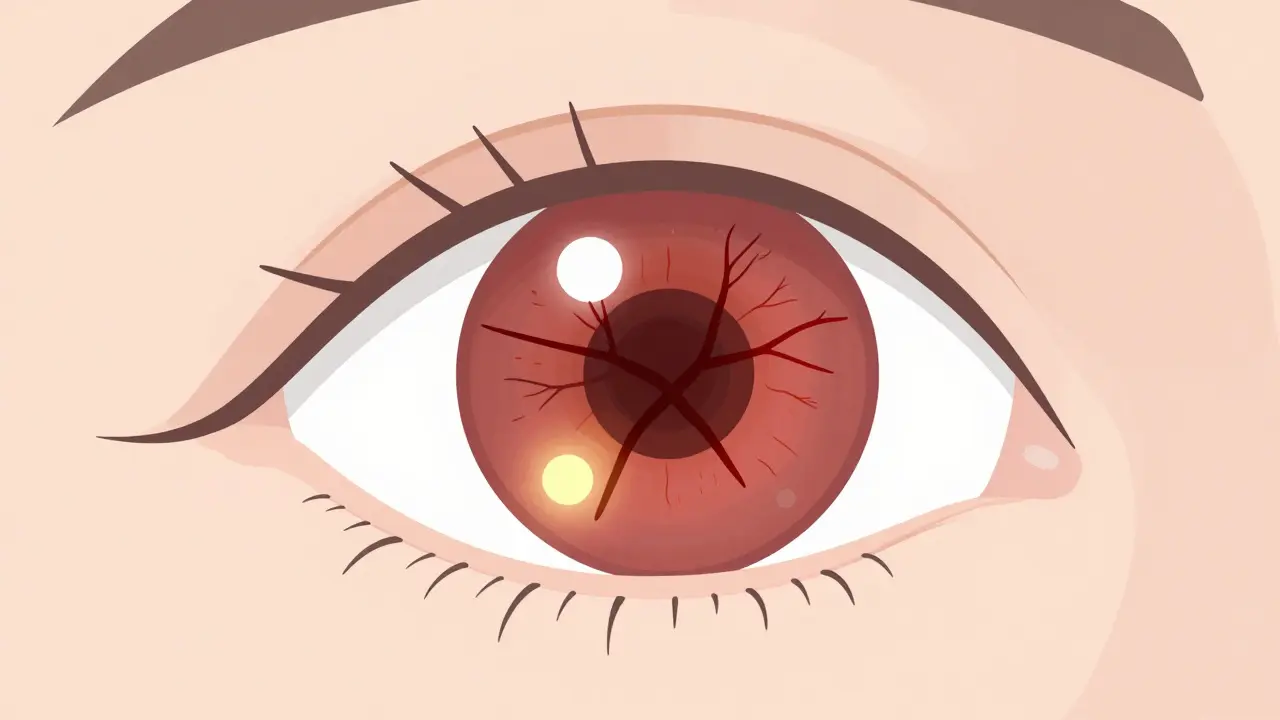
Retinal Vein Occlusion causes sudden vision loss due to blocked blood flow in the eye. Learn the top risk factors like high blood pressure and diabetes, and how anti-VEGF and steroid injections can restore vision - with real patient experiences and latest treatment advances.

Learn how to prevent oral thrush and hoarseness from inhaled corticosteroids with simple, proven steps: rinse, gargle, spit, and use a spacer. These easy habits reduce side effects and keep your asthma under control.
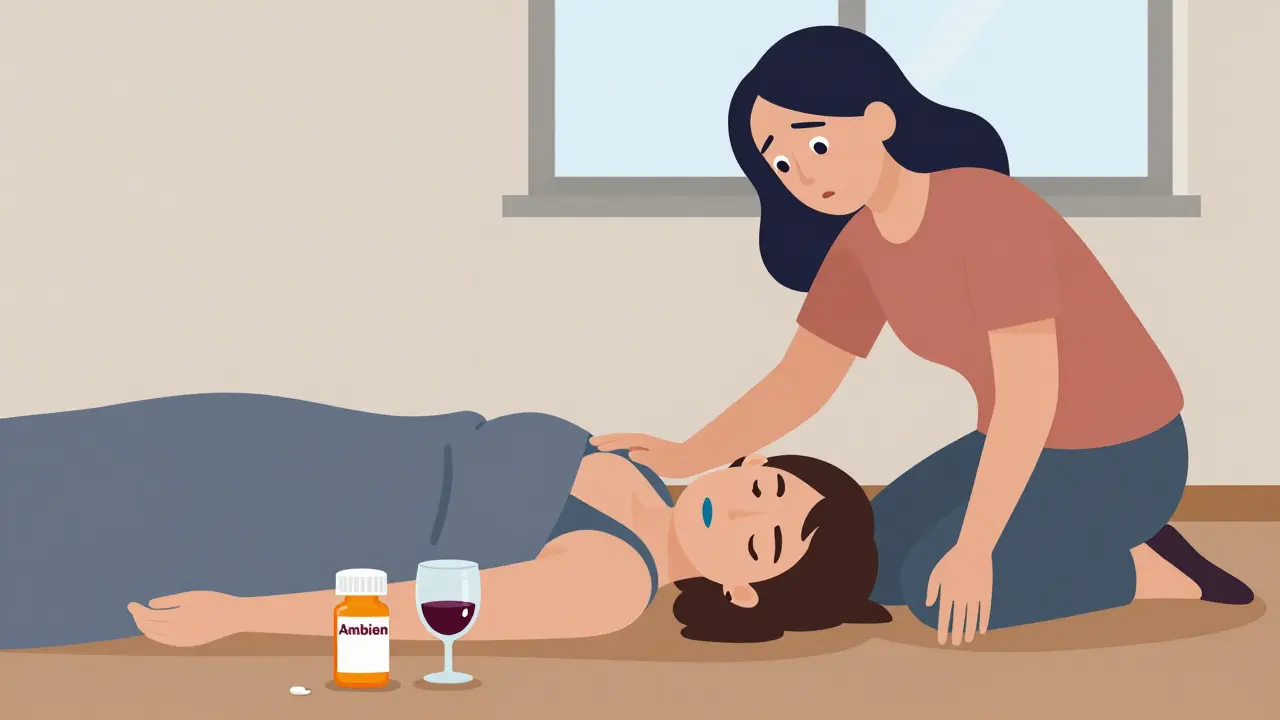
Learn how to recognize the life-threatening signs of sedative and sleep medication overdose - from unresponsiveness and slowed breathing to cyanosis. Act fast to save a life.
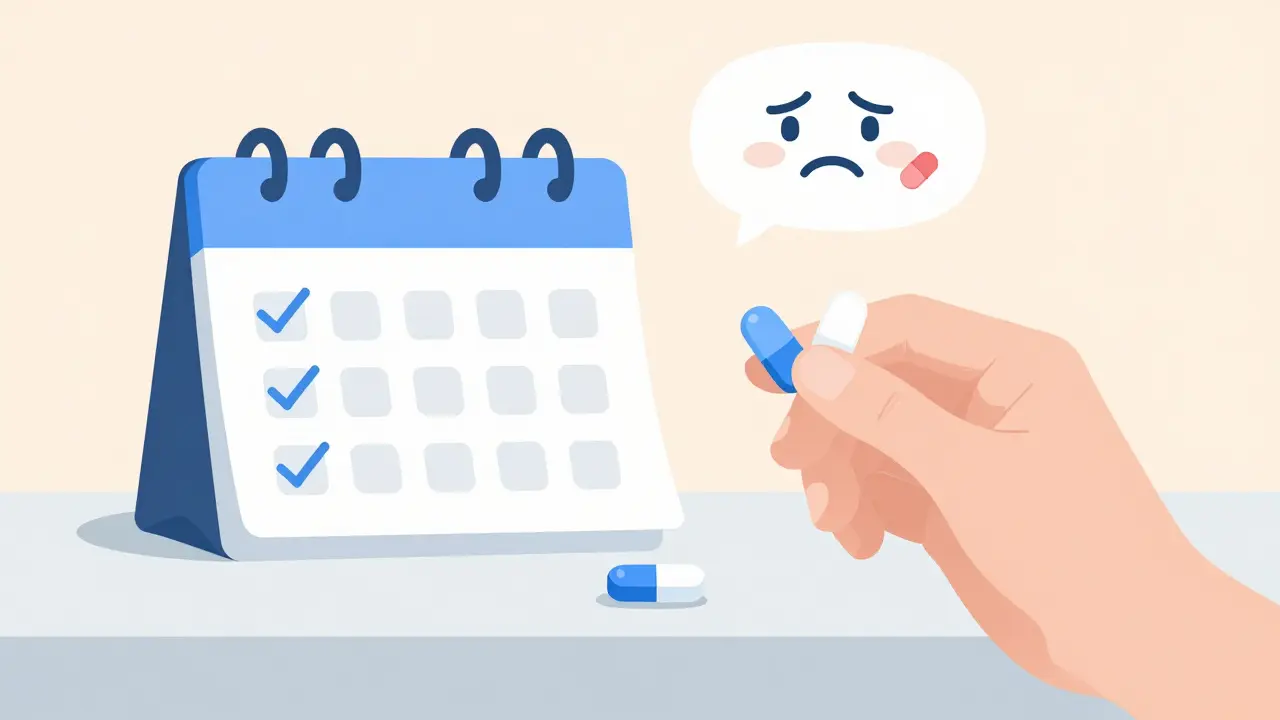
De facto combinations - taking separate generic pills instead of a single fixed-dose combination - offer dosing flexibility but increase the risk of missed doses and drug interactions. Learn when it’s safe and when it’s not.

Soy products can reduce levothyroxine absorption by up to 30%. Learn how to time your meals and medication to avoid interference without giving up soy foods. Best practices for morning and bedtime dosing, what foods to avoid, and real-life tips.
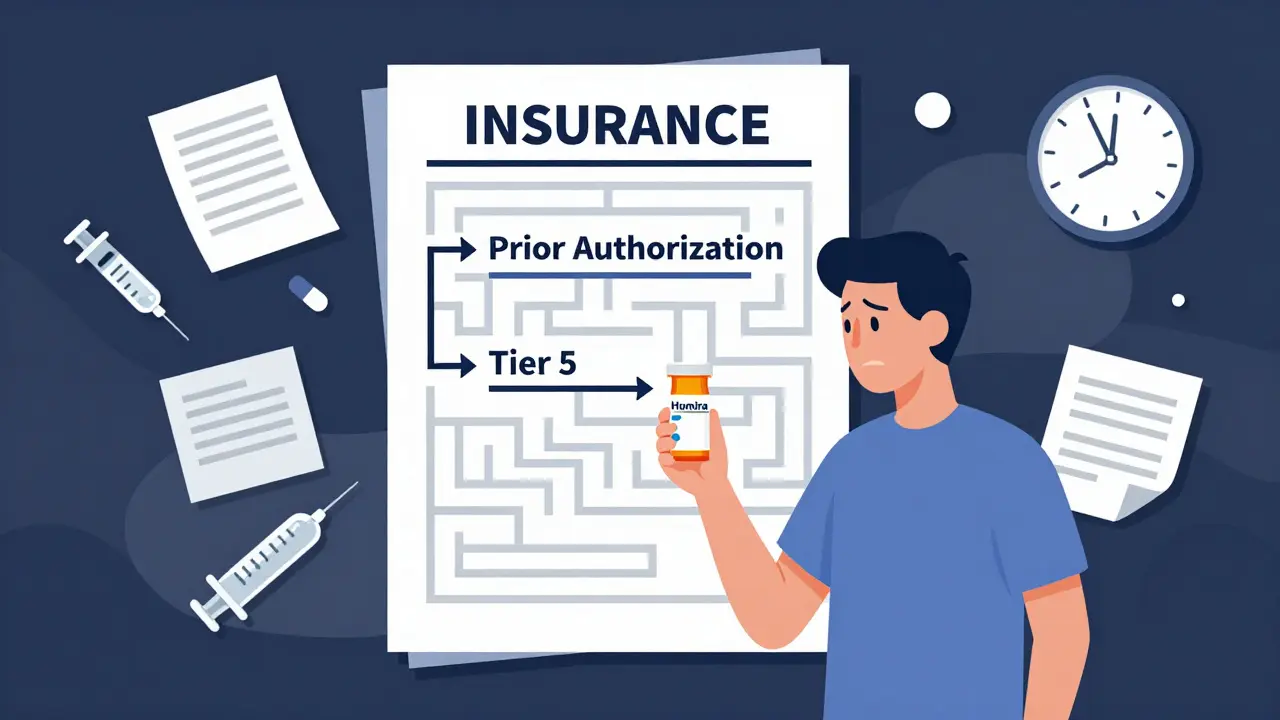
Biosimilars offer major cost savings over brand-name biologics, but insurance barriers like prior authorization and same-tier placement make them hard to access. Patients pay nearly the same out-of-pocket costs - defeating the purpose.
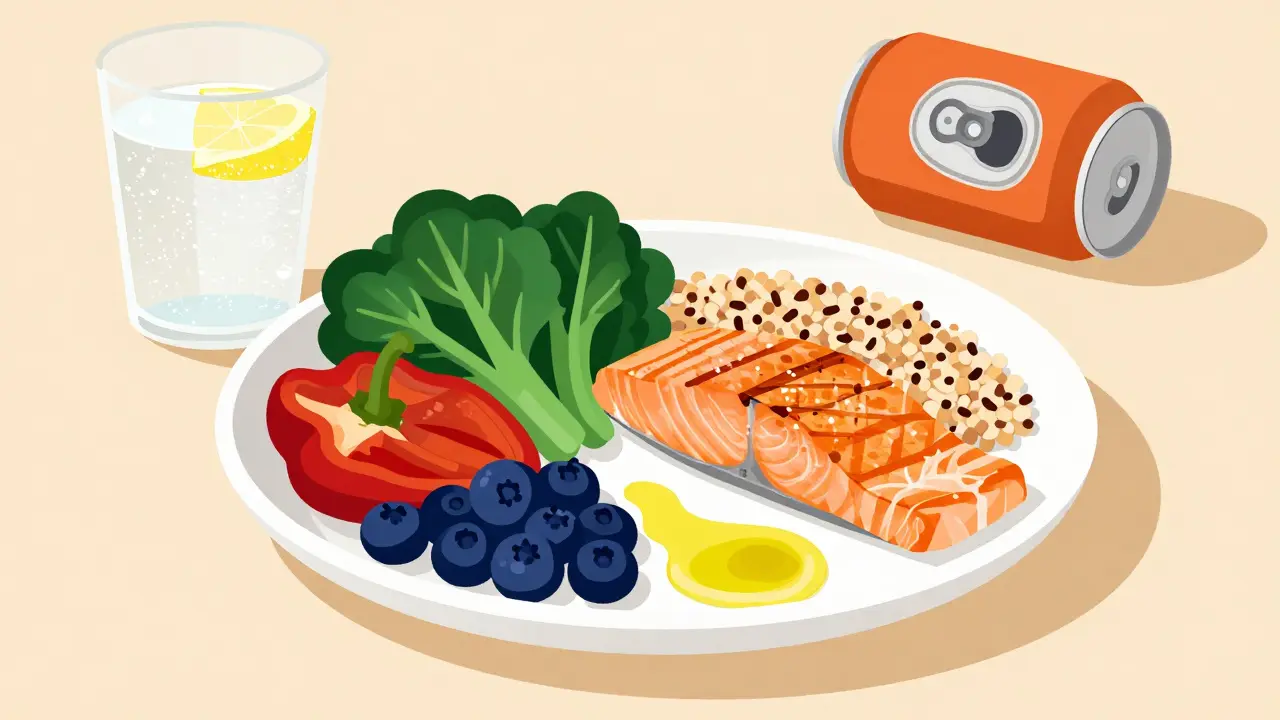
A liver-healthy diet based on the Mediterranean pattern can reduce liver fat, lower inflammation, and improve liver enzymes-without drugs. Learn what to eat, what to avoid, and how real people reversed early-stage liver disease through food.
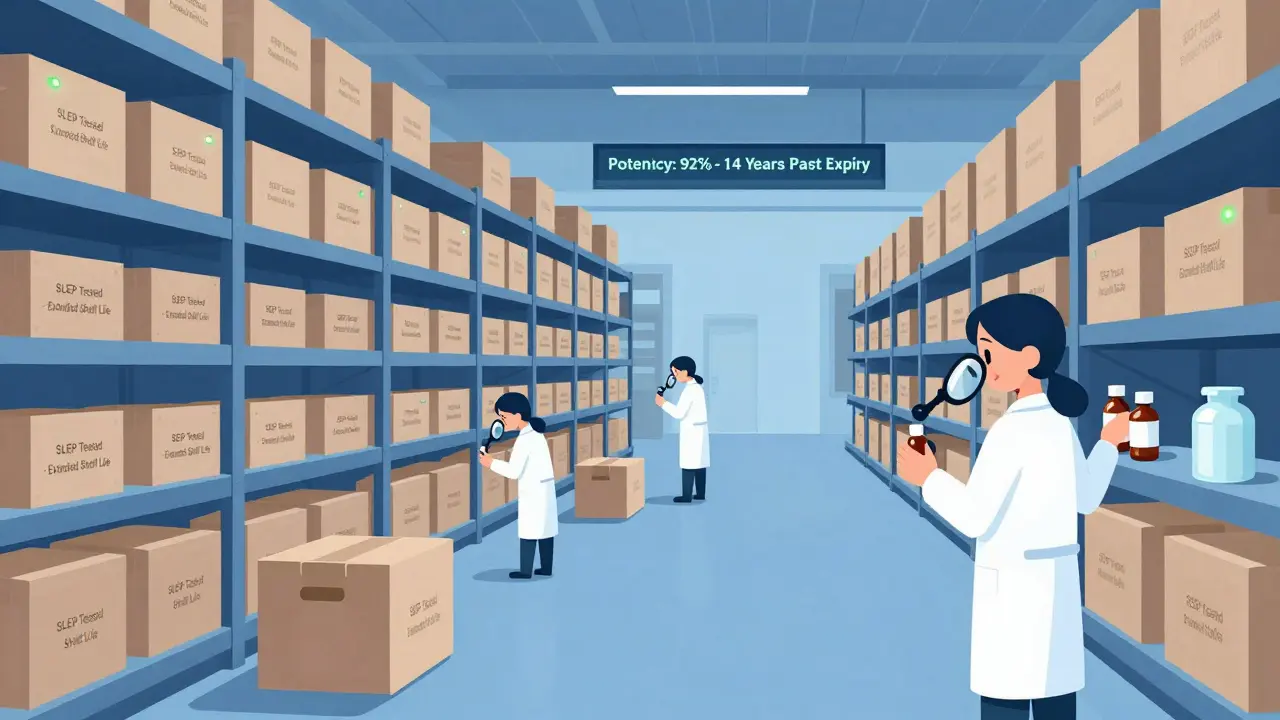
The Military Shelf Life Extension Program proves many drugs remain effective years past their expiration dates when stored properly - challenging conventional wisdom and saving billions. Here’s what it reveals about drug stability.

Understand the difference between Type A and Type B adverse drug reactions-why some side effects are predictable and dose-related, while others are rare, dangerous, and immune-driven. Learn how to recognize, respond to, and report them.
Learn about generic availability and alternatives for gastrointestinal combination products like ibuprofen-famotidine, H. pylori regimens, and vonoprazan. Discover cost-saving options, insurance hurdles, and what’s coming next in GI treatment.